Shingles Doesn’t Just Attack Your Skin — It Can Leave Lasting Pain and Change Your Life
Shingles doesn’t just affect your skin. For some people, it can disrupt sleep, interfere with everyday activities, and create a sense of uncertainty about their own bodies. It may begin with an unusual burning sensation along the side of the body, unexplained tingling, or tenderness that seems difficult to understand. A few days later, a painful rash and clusters of fluid-filled blisters may appear, revealing an illness that many people know little about until they experience it themselves.
Often, the first signs are easy to dismiss. Someone might assume they have irritated their skin, strained a muscle, or developed a minor infection. But shingles, also known as herpes zoster, is caused by the reactivation of a virus that may have remained dormant in the body for decades after an earlier episode of chickenpox.
For many people, the rash eventually heals. For others, however, the pain continues long after the visible signs have disappeared. Understanding why shingles develops, recognizing its early symptoms, and seeking medical attention promptly can make an important difference in managing the condition and reducing the risk of complications.
The Virus That Can Return Years Later
Shingles is caused by the varicella-zoster virus, the same virus responsible for chickenpox. After a person recovers from chickenpox, the virus does not completely disappear from the body. Instead, it remains inactive in nerve tissue and can reactivate years or even decades later.
When this happens, the virus travels along affected nerves toward the skin, producing inflammation, pain, and the characteristic rash associated with shingles.
Scientists know that the risk of shingles increases with age and that people with weakened immune systems are more vulnerable. Certain medical conditions and treatments that suppress immunity can also increase the risk.
Stress and emotional exhaustion are often discussed in connection with shingles, but the precise circumstances that trigger reactivation are not always clear. In many cases, there is no identifiable reason why the virus becomes active again.
This means that developing shingles is not necessarily a sign that someone has done something wrong or failed to take care of themselves. It is a medical condition involving a virus that has remained inside the body since an earlier infection.
According to the U.S. Centers for Disease Control and Prevention (CDC), approximately one in three people in the United States will develop shingles during their lifetime.
The Early Warning Signs You Should Not Ignore
One of the most challenging aspects of shingles is that the initial symptoms can appear before the rash becomes visible.
Some people first notice burning, tingling, itching, or unusual sensitivity in a particular area of skin. Others experience sharp, shooting, or aching pain that seems to come from deeper within the body.
The affected area may feel painful even when touched lightly by clothing or bedsheets. Some people also experience headaches, fever, fatigue, or a general feeling of being unwell.
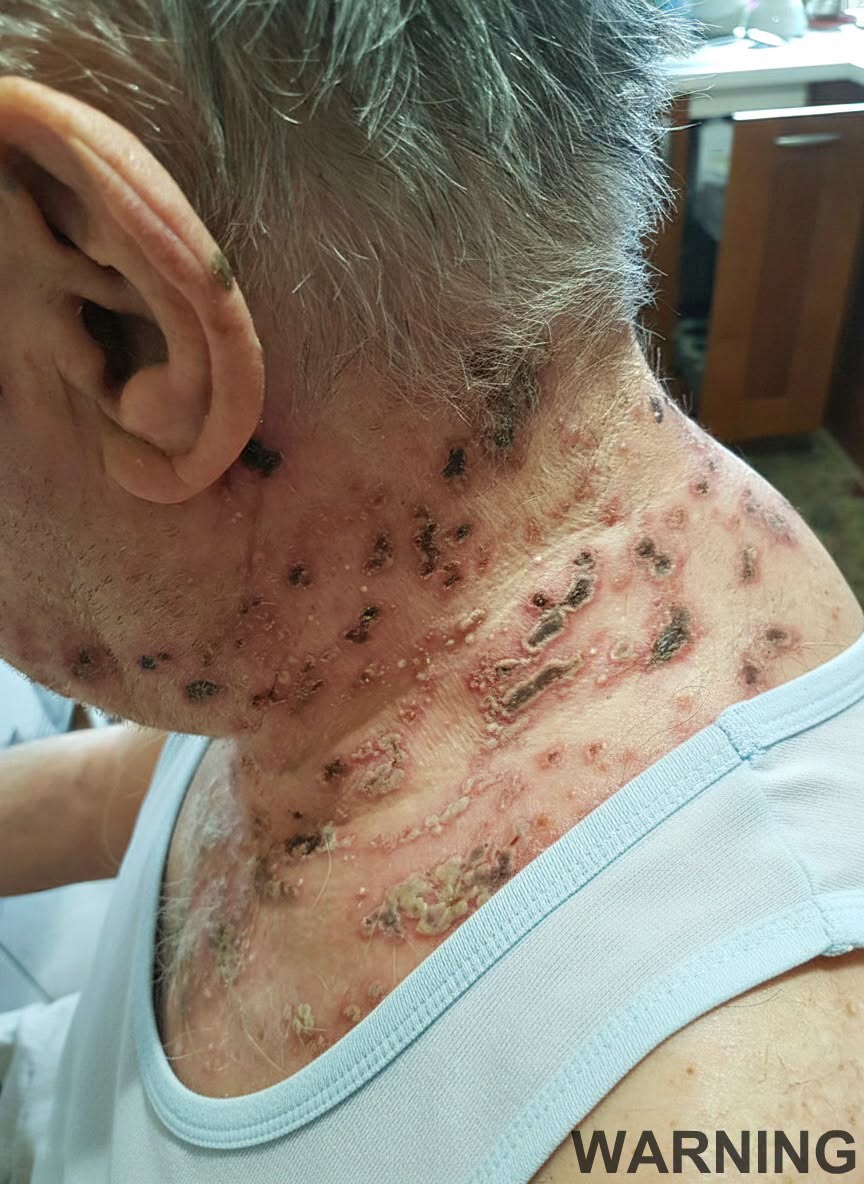
Several days later, a rash may develop, usually on one side of the body or face. The rash often appears as a band or cluster of blisters that follow the path of an affected nerve.
The blisters typically develop into scabs within seven to ten days, while the skin may take approximately two to four weeks to heal completely.
However, shingles does not look exactly the same in everyone. In some cases, the rash is difficult to recognize, and rarely, nerve pain can occur without a visible rash.
Because other conditions can cause similar symptoms, a medical professional should assess suspected shingles rather than relying on appearance or pain alone.
Why the Pain Can Be So Intense
Unlike many ordinary skin rashes, shingles affects the nerves. This is one reason the pain can feel unusually severe or disproportionate to the appearance of the skin.
The discomfort may be described as burning, stabbing, throbbing, or electric-shock-like pain. Even a light touch can sometimes feel unpleasant or painful.
For some people, the symptoms are manageable and gradually improve as the rash heals. For others, the pain can make it difficult to sleep, concentrate, work, or carry out everyday tasks.
The condition can also create emotional strain. Persistent discomfort may leave a person exhausted, frustrated, or worried about how long recovery will take.
One of the most significant complications is postherpetic neuralgia, a condition in which nerve pain continues after the rash has disappeared. This pain can last for months and, in some cases, years.
The risk of postherpetic neuralgia increases with age, particularly among older adults. Not everyone who develops shingles experiences this complication, but it is an important reason to seek medical care early.
Shingles can also cause other complications, including bacterial skin infections and, when it affects nerves around the face, potentially serious eye or hearing problems.
Why Early Medical Treatment Matters
Although shingles can be painful and distressing, treatments are available to help manage the illness.
Doctors may prescribe antiviral medicines such as acyclovir, valacyclovir, or famciclovir. These medicines work against the virus and can help shorten the illness, reduce the development of new lesions, and lessen the severity of acute symptoms.
Antiviral treatment generally works best when started as early as possible, ideally within 72 hours of the rash appearing. People should contact a healthcare professional promptly if they suspect shingles rather than waiting to see whether the symptoms disappear.
A clinician may also recommend appropriate pain relief or other treatments depending on the severity of the discomfort and the person’s medical history.
Simple measures can help make recovery more comfortable. Keeping the rash clean and dry, wearing loose-fitting clothing, and applying a cool compress may ease irritation. Scratching or picking at blisters should be avoided because it can damage the skin and increase the risk of infection.
Anyone with a rash on or near an eye or nose, changes in vision, a severely weakened immune system, or a widespread rash should seek urgent medical assessment. Shingles affecting the eye can threaten vision and requires prompt attention.
Can Shingles Be Prevented?
One of the most important developments in shingles prevention is vaccination.
The recombinant zoster vaccine, known as Shingrix, substantially reduces the risk of developing shingles and its complications. In the United States, the CDC recommends two doses for adults aged 50 and older, as well as for adults aged 19 and older who have weakened immune systems because of disease or treatment.
Recommendations, eligibility, and availability may differ by country, so people should consult a healthcare professional or local vaccination service for advice relevant to their circumstances.
Vaccination is particularly important because shingles can occur even in people who otherwise consider themselves healthy. It can also develop more than once, meaning that a previous episode does not guarantee lifelong protection.
Healthy habits, including adequate sleep, regular physical activity, balanced nutrition, and appropriate management of existing health conditions, support general well-being. However, they cannot guarantee that shingles will be prevented.
For people who are eligible, vaccination remains the most effective established preventive measure.
Can You Spread Shingles to Someone Else?
Shingles itself is not transmitted from one person to another in the same way that a typical respiratory infection spreads. However, fluid from shingles blisters contains the varicella-zoster virus and can transmit it to someone who has never had chickenpox or received vaccination against it.
That person may develop chickenpox rather than shingles.
Until the blisters have crusted over, people with shingles should cover the rash where possible, avoid touching or scratching it, and wash their hands regularly. They should also avoid direct contact with people at particular risk, including newborns, pregnant people without immunity to chickenpox, and individuals with weakened immune systems.
These precautions help reduce the chance of transmitting the virus to someone who may be more vulnerable to infection.
Recovery Is Different for Everyone
For many people, shingles gradually improves over several weeks as the blisters dry and the skin heals. Nevertheless, recovery is not always immediate, and the disappearance of the rash does not necessarily mean that all symptoms have ended.
Some people continue to experience tenderness, itching, or nerve pain after their skin looks normal again. Anyone with persistent or worsening pain should discuss it with a healthcare professional, as additional treatments may be available.
It is also important to recognize that shingles can affect people differently. One person may experience a relatively mild episode, while another may face significant pain and complications.
Comparing one person’s recovery with another’s can therefore be misleading. Appropriate treatment depends on the individual’s symptoms, age, medical history, and risk factors.
Listen to Your Body and Act Early
Shingles is a reminder that an illness does not always begin with an obvious warning. Sometimes, the earliest signs are subtle changes that are easy to overlook: a patch of skin that suddenly burns, an unexplained tingling sensation, or pain that seems unusual for no clear reason.
Recognizing these symptoms does not mean assuming the worst. It means understanding when something deserves medical attention and acting before a potentially treatable condition becomes more difficult to manage.
The good news is that shingles is a recognized medical condition with established treatment options, and vaccination can significantly reduce the risk for eligible people. Early assessment can help patients access appropriate care and lower the risk of serious complications.
Ultimately, shingles is more than a temporary skin problem for some people because its effects can extend beyond the visible rash. But it does not have to become a story defined by fear.
With accurate information, timely medical advice, appropriate treatment, and preventive vaccination where recommended, people can take practical steps to protect their health.
Sometimes, the most important message is also the simplest: do not ignore unusual symptoms, do not delay seeking help when shingles is suspected, and remember that taking care of your health begins with paying attention to the signals your body sends.
Medical note: This article is for general information and does not replace a professional medical assessment.