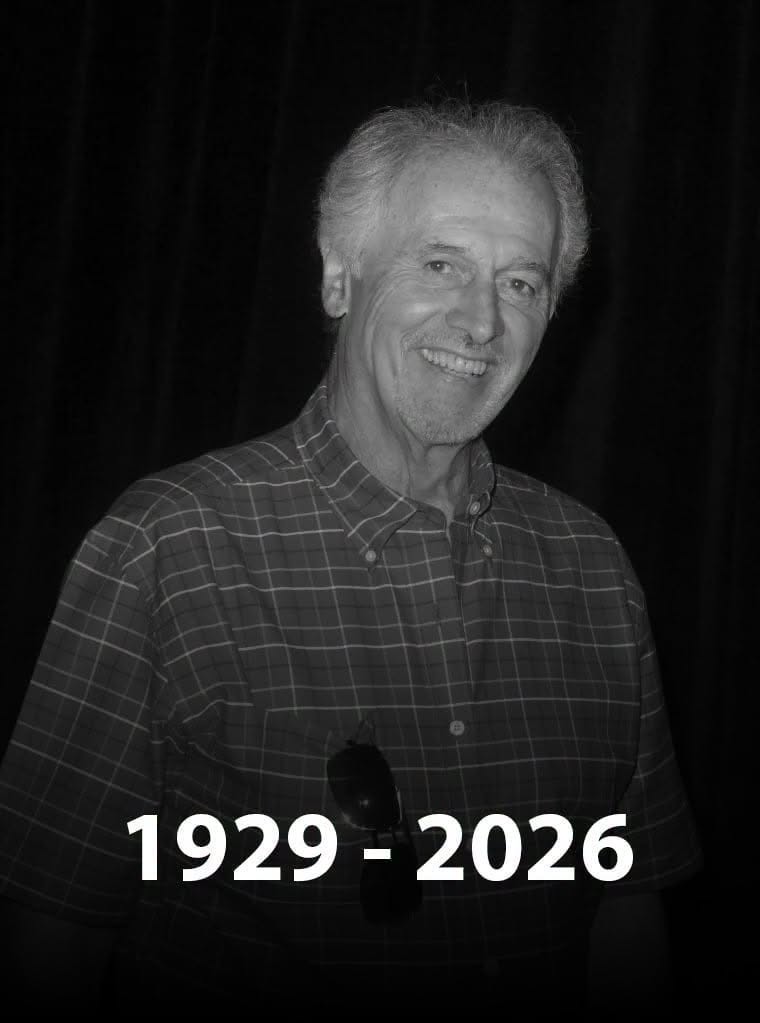
Michael Forest Dies: Remembering the Star Trek Actor Whose Remarkable Voice Reached Audiences Around the World
A familiar face and a remarkable voice have fallen silent. Michael Forest, the veteran actor remembered by Star Trek fans for his memorable portrayal of Apollo, has died, leaving behind a career that stretched across television, film, animation, and international voice acting. Although many viewers will remember him as the powerful Greek god who challenged the crew of the Starship Enterprise, his legacy extends far beyond a single appearance on one of television’s most beloved science-fiction series.
Behind that unforgettable role was a dedicated working actor whose career was built through decades of performances, countless productions, and a remarkable ability to move between different corners of the entertainment industry.
For some audiences, Forest was the face of a memorable science-fiction character. For others, he was a familiar voice heard in animated productions and international releases, even if they never knew his name.
His passing invites a closer look at the life of a performer whose contributions deserve recognition well beyond the role that first brought him widespread attention.
The Role That Made Him Part of Star Trek History
For generations of science-fiction fans, Michael Forest will always be associated with Apollo, the mysterious and powerful figure he portrayed in the original Star Trek television series.
The episode, titled “Who Mourns for Adonais?”, placed the crew of the Enterprise in an encounter with a being who claimed to be the Greek god Apollo. Appearing on the planet’s surface, Apollo possessed extraordinary abilities and expected the visiting humans to recognize his authority.
His presence created a fascinating conflict between ancient mythology and the futuristic world of Star Trek. Captain James T. Kirk and his crew were forced to confront a figure who appeared to possess godlike powers while questioning the truth behind his claims.
Forest brought a commanding presence to the role, combining grandeur with vulnerability as Apollo’s desire for recognition became increasingly apparent. Rather than presenting the character as a simple villain, the performance helped reveal a lonely figure struggling to accept that the world he once knew had moved on.
That emotional complexity helped make the episode memorable.
The original Star Trek series frequently used science fiction to explore questions about humanity, morality, power, and belief. Apollo’s story reflected those themes, asking what happens when someone who once received unquestioning devotion discovers that the world no longer believes in him.
Forest’s performance became an important part of that television legacy.
Although he appeared in only one episode, his portrayal remained recognizable to fans decades later. It was a reminder that a memorable performance does not necessarily require a long screen presence. Sometimes, a single carefully delivered role can secure a lasting place in popular culture.
A Career That Went Far Beyond One Famous Appearance
It would be easy to define Michael Forest entirely through his connection to Star Trek, but doing so would overlook the breadth of his professional life.
Like many character actors, he built his career through a succession of roles across different productions, often contributing to stories that varied widely in style, budget, and subject matter.
Character actors frequently work without receiving the same attention as leading stars. They may appear briefly in a film or television episode, yet their performances help establish the atmosphere, conflict, and personality of the story.
Forest’s career reflected that kind of versatility.
His work included productions associated with filmmaker Roger Corman, whose influence on independent cinema and low-budget filmmaking became a significant part of Hollywood history. Corman was known for producing films efficiently, giving emerging performers opportunities, and creating projects that often developed devoted audiences long after their original release.
Working within that environment required adaptability. Actors had to make strong impressions, establish believable characters, and contribute to productions that frequently operated under demanding schedules.
Forest’s involvement in this part of the entertainment industry formed another chapter in a career that cannot be reduced to a single science-fiction role.
His performances across film and television demonstrate the value of a long working life in entertainment: a body of work assembled gradually, one production at a time.
The Extraordinary Reach of His Voice
Perhaps one of the most remarkable aspects of Forest’s career was the extent of his voice work.
He contributed to hundreds of international and anime projects, allowing his voice to reach audiences far beyond those who recognized him on screen.
Voice acting is a distinctive form of performance. Without facial expressions, costumes, or physical movement to communicate a character’s personality, performers must rely on timing, tone, emotion, and vocal precision.
A single line can convey authority, humor, fear, tenderness, or menace. A voice actor may be required to perform a wide variety of characters, often adapting to different storytelling styles and production requirements.
International voice work can be especially demanding. Performers may work on localized versions of films, television programs, and animated productions, helping stories connect with audiences across languages and cultures.
The viewers who encounter these performances do not always know the identities of the actors behind them. They simply hear a voice that feels appropriate to the character and accept it as part of the story.
That is part of what makes Forest’s contribution so significant.
Some fans may remember his face immediately, while others may have encountered his voice in projects they watched years ago without realizing that the same performer was behind both experiences.
His work demonstrates how an actor’s influence can extend beyond the limits of conventional celebrity. A performer does not need to be constantly visible to become a meaningful part of people’s entertainment memories.
Why Voice Actors Deserve Greater Recognition
The passing of performers such as Forest also highlights a frequently overlooked part of the entertainment industry.
Voice actors help bring animated characters, international productions, and localized versions of popular stories to life. Their work often requires considerable skill, yet they may receive far less public recognition than actors whose faces appear prominently on screen.
For audiences, the connection is frequently emotional rather than personal. A voice becomes associated with a favorite character, a childhood memory, or a film watched repeatedly over the years.
Even when the actor’s name remains unfamiliar, the performance can leave a lasting impression.
This is particularly true of anime and international animation, where voice performances play a central role in communicating character relationships and emotional nuance.
A well-delivered line can become inseparable from the character who speaks it. The audience remembers the scene, the feeling, and the story, sometimes without ever discovering who performed the voice.
Forest’s extensive voice career offers a reminder that the entertainment world is sustained by artists working in many different roles. The performers who remain visible are only part of a much larger community of talent.
Behind every memorable character may be an actor whose contribution deserves recognition in its own right.
A Working Actor in a Changing Entertainment Industry
Forest’s career also spanned a period of enormous change in film and television.
The entertainment industry evolved from traditional studio productions and scheduled television broadcasts into an environment shaped by home video, cable television, international distribution, streaming services, and global fan communities.
A performance that might once have been seen by a relatively limited audience could eventually reach viewers around the world through reruns, recordings, and digital platforms.
For actors, this changing landscape created new opportunities for their work to find audiences long after its original release.
The enduring popularity of classic Star Trek is one example. New generations continue to discover the original series, revisit its stories, and discuss its characters.
As a result, performers who appeared decades ago remain part of contemporary conversations about television history.
Forest’s portrayal of Apollo benefited from this lasting cultural interest. The episode continued to attract attention from viewers interested in the series’ mythology, its exploration of human nature, and its distinctive approach to science fiction.
Yet the broader lesson extends beyond one television franchise. The work of character actors can survive changing trends because memorable performances remain available to new audiences.
A role completed many years ago can still spark curiosity, admiration, and renewed interest in the person who brought it to life.
The Lasting Power of a Single Performance
In a career spanning many productions, it is common for one role to become the defining image audiences associate with an actor.
That recognition can be both a gift and a limitation.
A famous character introduces a performer to generations of viewers, but it can also overshadow other work that deserves attention.
Forest’s Apollo was memorable precisely because the character stood at the intersection of mythology and science fiction. He represented an ancient world confronting a modern one, a being accustomed to worship encountering people who demanded evidence rather than submission.
The role offered an actor an opportunity to portray confidence, frustration, longing, and vulnerability within a single story.
Those qualities helped the performance endure.
But remembering Forest only as Apollo would leave out the many other roles and voice performances that occupied his professional life. His career was not simply the story of an actor who appeared in a celebrated television episode. It was the story of a performer who continued working across different formats and production environments.
His broader body of work reflects a kind of dedication that is easy to overlook when audiences focus only on the most recognizable names and faces.
Remembering the Person Behind the Character
When a familiar actor dies, viewers often return to the performances that first connected them with that person.
They revisit favorite episodes, share memories with other fans, and discover details about a career they may have followed for years without fully understanding its scope.
For some, revisiting Forest’s appearance as Apollo will be a way of saying goodbye. Others may seek out his film appearances or explore the international and anime projects to which he contributed his voice.
Each approach offers a different way to appreciate his work.
There is also something meaningful about recognizing the effort involved in sustaining a long career as a working performer. Entertainment often celebrates sudden success and household-name fame, but many actors build their legacies through persistence, professional discipline, and a willingness to take on different kinds of work.
Forest’s career provides an example of that quieter form of achievement.
His impact was not limited to one role, one audience, or one medium. It reached across television screens, film productions, and voice performances that may have introduced him to viewers who never saw his face.
That breadth is an important part of the legacy he leaves behind.
A Legacy That Reaches Beyond the Screen
Michael Forest’s death marks the loss of a performer whose work connected with audiences in several distinct ways.
For Star Trek fans, he will remain the actor who brought Apollo to life, transforming a figure drawn from Greek mythology into a memorable part of science-fiction television.
For film enthusiasts, his appearances in productions associated with Roger Corman represent another piece of his professional history.
For animation fans, his extensive voice work reflects a different kind of contribution: performances that helped characters speak, express emotion, and reach audiences across cultural boundaries.
Together, these achievements form a broader picture of an actor whose career deserves to be remembered in its entirety.
His story is also a reminder that the value of an artistic life cannot always be measured by awards, leading roles, or the number of times a name appears in headlines. Sometimes, a legacy is built through the accumulated effect of countless performances, each finding its way into someone’s memory.
A viewer may remember a television episode from childhood. Another may recognize a familiar voice from an animated production. Someone else may discover his work for the first time through a classic film.
Each encounter becomes part of the lasting reach of his career.
As fans revisit his performances, Michael Forest’s work will continue to speak through the characters he portrayed and the stories he helped tell.
His face may forever be associated with one unforgettable god, but his professional legacy belongs to a much larger world of television, cinema, and voice acting.
And that is the fuller story worth remembering.