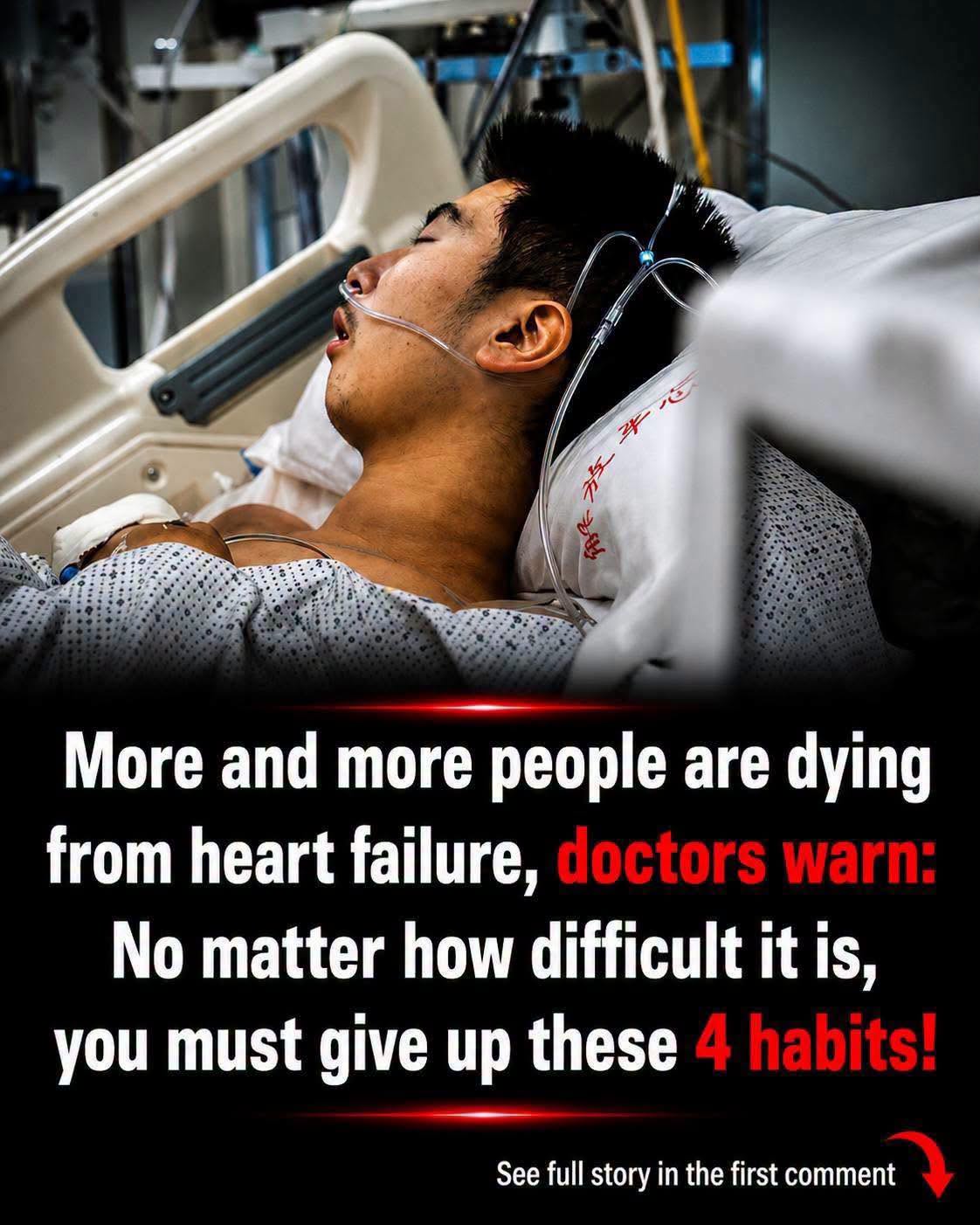
You may feel perfectly healthy today, yet your heart could already be struggling in ways you cannot see or feel. Heart failure rarely develops overnight. For many people, it progresses slowly over months or even years as the heart gradually loses its ability to pump blood effectively throughout the body. The choices you make every day—from what you eat to how active you are—can either protect your heart or place it under increasing strain. Cardiologists continue to warn that heart failure is becoming more common worldwide, and many of the factors contributing to it are linked to everyday habits that often go unnoticed. Recognizing and changing these habits early may significantly reduce your risk and improve your long-term heart health.
Despite its name, heart failure does not mean the heart has completely stopped working. Instead, it refers to a condition in which the heart can no longer pump enough blood to meet the body’s needs efficiently. As the heart weakens, oxygen and nutrients are delivered less effectively to vital organs and tissues. Over time, this may lead to symptoms such as persistent fatigue, shortness of breath during everyday activities, swelling in the legs or feet, and a lingering cough that often becomes worse when lying down. Tasks that once seemed effortless—walking around the neighborhood, climbing stairs, carrying groceries, or playing with grandchildren—can gradually become exhausting as the condition progresses.
According to organizations such as the World Heart Federation and the American Heart Association, an estimated 26 million people worldwide are living with heart failure, and the number continues to increase as populations age and chronic diseases become more common. Although heart failure is considered a serious long-term medical condition, it is not always irreversible. With early diagnosis, appropriate medical treatment, and meaningful lifestyle changes, many people are able to improve their symptoms, slow disease progression, and maintain a good quality of life. Doctors consistently emphasize that prevention remains one of the most powerful tools available, particularly by addressing several everyday habits known to place unnecessary strain on the heart.
One of the most significant contributors to heart disease is excessive sodium consumption. Modern diets often contain surprisingly large amounts of salt, especially through processed foods, canned soups, fast food, packaged snacks, frozen meals, and restaurant dishes. Consuming too much sodium causes the body to retain excess fluid, increasing blood volume and forcing the heart to work harder to circulate blood. This additional workload raises blood pressure and gradually weakens the cardiovascular system over time. Health experts generally recommend limiting sodium intake to approximately 2,300 milligrams per day for most adults, with lower amounts often advised for individuals who already have high blood pressure or heart disease. Preparing meals at home with fresh ingredients, reading nutrition labels carefully, and flavoring foods with herbs, spices, garlic, or citrus instead of salt are simple strategies that can make a meaningful difference.
A second major risk factor is physical inactivity. Advances in technology have made modern life increasingly sedentary, with many people spending long hours sitting at desks, driving, or relaxing in front of televisions and computers. Unfortunately, prolonged inactivity contributes to weight gain, poor circulation, elevated blood pressure, and reduced cardiovascular fitness. Regular physical activity helps strengthen the heart muscle, improves blood flow, lowers cholesterol, supports healthy blood pressure, and assists with maintaining a healthy body weight. Health authorities recommend at least 150 minutes of moderate-intensity exercise each week, such as brisk walking, cycling, swimming, or dancing. Even small lifestyle changes—taking the stairs, walking during breaks, or standing up and stretching every hour—can provide meaningful benefits when practiced consistently.
Smoking and excessive alcohol consumption also remain among the most damaging habits affecting cardiovascular health. Cigarette smoke contains chemicals that injure blood vessels, reduce oxygen delivery throughout the body, increase blood pressure, and dramatically raise the risk of heart attacks, strokes, and heart failure. Likewise, drinking excessive amounts of alcohol over many years can weaken the heart muscle, contribute to irregular heart rhythms, elevate blood pressure, and increase the likelihood of developing cardiomyopathy. Quitting smoking is one of the most effective steps anyone can take to reduce cardiovascular risk, regardless of age. For those who choose to drink alcohol, doing so in moderation and following medical guidance can help reduce potential long-term damage to the heart.
Another important but often overlooked factor is chronic stress combined with inadequate sleep. Constant emotional stress keeps the body in a prolonged state of alertness, increasing the release of stress hormones that raise blood pressure and place continuous strain on the cardiovascular system. At the same time, consistently sleeping too little interferes with the body’s ability to regulate blood sugar, maintain healthy metabolism, and control inflammation—all of which are closely linked to heart disease. Prioritizing mental well-being is therefore an important part of protecting cardiovascular health. Relaxation techniques such as meditation, deep breathing exercises, mindfulness, spending time outdoors, and regular physical activity can help reduce stress levels. Equally important is establishing healthy sleep habits and aiming for seven to nine hours of quality sleep each night whenever possible.
Heart failure does not develop because of a single poor decision. Instead, it often results from the gradual accumulation of unhealthy habits over many years. The encouraging news is that small, consistent improvements can produce meaningful long-term benefits. Choosing healthier foods, reducing sodium intake, exercising regularly, avoiding tobacco, limiting excessive alcohol consumption, managing stress, and getting adequate sleep all work together to strengthen the heart and reduce the likelihood of future complications. Even individuals already living with heart disease frequently experience better outcomes when these lifestyle changes are combined with appropriate medical care.
While no one can eliminate every risk, your daily choices have a powerful influence on your heart’s future. Paying attention to these four key areas—nutrition, physical activity, harmful substances, and restorative rest—can significantly improve cardiovascular health and help reduce the chances of developing heart failure. If you experience symptoms such as unexplained shortness of breath, persistent swelling, chest discomfort, unusual fatigue, or a rapid heartbeat, seeking medical evaluation promptly is essential. The earlier heart problems are identified, the greater the opportunity to manage them effectively. Your heart works continuously throughout your entire life, and caring for it through informed, healthy decisions remains one of the most valuable investments you can make in your future well-being.