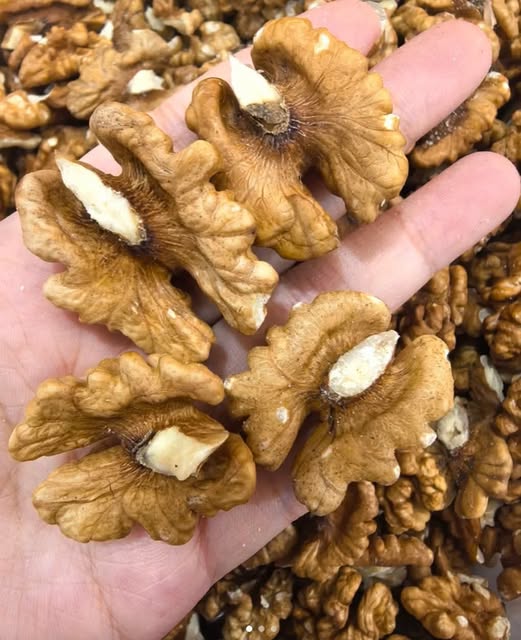
Walnuts don’t just crunch—they offer a surprisingly powerful combination of nutrients that can support long-term health. In a world where heart disease, high cholesterol, and other chronic conditions affect millions of people, one small, wrinkled nut has attracted considerable attention from nutrition researchers. Walnuts contain healthy fats, antioxidants, fiber, and plant compounds that can contribute to a heart-friendly eating pattern. Their benefits are not a miracle cure, but when eaten regularly as part of a balanced diet, they can become a simple habit with meaningful long-term advantages.
Beneath their hard shell, walnuts deliver a distinctive nutritional profile. They are particularly notable for containing alpha-linolenic acid, or ALA, a plant-based omega-3 fatty acid. The body does not use ALA in exactly the same way it uses the omega-3 fats found in fish, but it is still an important component of a healthy diet. Walnuts also contain polyunsaturated fats, fiber, minerals, and antioxidant compounds that work together to support overall cardiovascular health.
One of the most interesting areas of research involves cholesterol. Regularly replacing foods high in saturated fats with foods containing unsaturated fats, such as walnuts, can help improve blood lipid profiles. Studies of walnut consumption have found reductions in LDL cholesterol in some groups, although the exact effect can vary from person to person. The important point is that walnuts are most useful when they replace less nutritious foods rather than simply being added on top of an already excessive-calorie diet.
Their potential effects on inflammation are also part of the reason walnuts receive so much attention. Chronic inflammation is associated with a range of health problems, including cardiovascular disease. The healthy fats and plant compounds found in walnuts may contribute to a dietary pattern that supports a healthier inflammatory balance, although walnuts should not be presented as a treatment for chronic inflammation or disease.
The cardiovascular benefits may be particularly meaningful when walnuts become part of a broader heart-healthy lifestyle. Eating them alongside vegetables, fruits, whole grains, legumes, and other minimally processed foods can help create a diet rich in beneficial fats and plant nutrients. Over time, replacing processed snacks, sugary treats, or foods high in saturated fat with a small portion of walnuts may be a practical way to improve overall dietary quality.
Their nutritional value doesn’t stop with the heart. Walnuts are also being studied for their potential relationship with brain health. The combination of healthy fats, antioxidants, and other plant compounds has generated interest in whether regular nut consumption may support healthy aging. Some observational research has associated nut intake with cognitive health, but that does not mean walnuts can prevent dementia or reverse brain aging.
Blood sugar management is another area where walnuts can fit into a balanced diet. Because they contain fat, fiber, and protein, they tend to be more filling than many refined snack foods. Eating a small portion with a meal or snack may help promote satiety and make it easier to avoid constantly reaching for highly processed foods.
That sense of fullness can also be useful for people trying to manage their weight. Walnuts are energy-dense, meaning they contain a significant number of calories in a relatively small portion, so eating large amounts can easily add excess calories. But when consumed mindfully and used instead of less nutritious snacks, their combination of fat, protein, and fiber can make them satisfying.
This is where portion size becomes important. More walnuts are not necessarily better. A small handful is often enough to provide nutritional benefits without turning a healthy snack into a large calorie load. The goal is consistency, not excess.
There are many easy ways to include walnuts in everyday meals. They can be sprinkled over oatmeal or yogurt, added to salads, mixed into whole-grain dishes, blended into smoothies, or simply eaten on their own. Their texture adds crunch while their mild, slightly earthy flavor works well with both sweet and savory foods.
For people who prefer a simple routine, keeping a small portion of walnuts available can make healthy snacking more convenient. Instead of waiting until hunger becomes intense and choosing whatever food is easiest, having a prepared portion nearby can encourage a more balanced choice.
Raw or lightly toasted walnuts can both be nutritious. Toasting can enhance their flavor and make them more appealing, but prolonged exposure to high heat can affect some delicate fats. Light toasting is therefore a reasonable option if you prefer the taste, while raw walnuts provide a simple alternative without additional cooking.
It is also worth paying attention to what is added to the walnuts. Plain or lightly seasoned walnuts are generally preferable to versions heavily coated in sugar, salt, or other ingredients. The more the nut is transformed into a highly processed snack, the easier it becomes to lose some of the nutritional advantages that made it appealing in the first place.
Of course, walnuts are not suitable for everyone. People with tree-nut allergies should avoid them, and anyone with a known food allergy should follow medical advice. Individuals with specific dietary or medical conditions may also need to consider portion sizes and overall dietary requirements.
The most important idea is that walnuts work best as part of a larger pattern rather than as a single “superfood.” No individual food can guarantee protection from heart attacks, stroke, diabetes, or cognitive decline. Health is influenced by many factors, including genetics, physical activity, sleep, blood pressure, cholesterol, smoking, stress, and the overall quality of the diet.
Still, small choices matter.
Replacing a processed snack with a modest portion of walnuts is a small decision. Doing it consistently over months and years can contribute to a healthier eating pattern. Combined with other positive habits, those ordinary choices can gradually shape long-term health.
The humble walnut may therefore be more impressive than it first appears. Its rough shell hides a combination of healthy fats, fiber, minerals, antioxidants, and plant compounds that can support the body in several ways.
You don’t need to eat enormous quantities or follow a complicated routine. A small portion added to breakfast, lunch, or an afternoon snack can be enough to make walnuts a regular part of your diet.
The real power is not in a single handful.
It is in the consistency.
Because long-term health is rarely transformed by one dramatic decision. More often, it is shaped quietly by the small choices repeated day after day—one balanced meal, one better snack, one short walk, and one simple habit at a time.