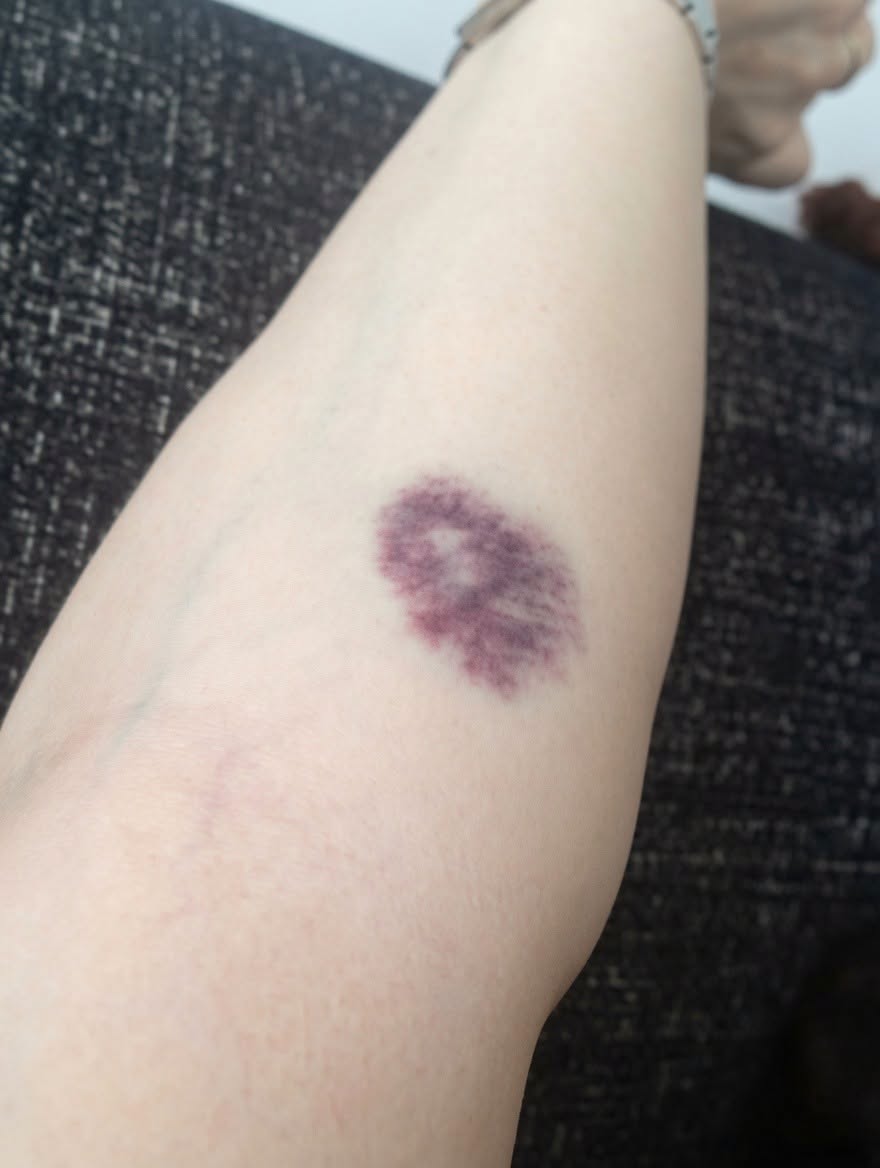
You wake up one morning, glance down at your arm, and notice a dark purple bruise that seems to have appeared out of nowhere. You don’t remember bumping into anything. You haven’t fallen or injured yourself, yet the mark is impossible to ignore. It’s natural for your mind to race, especially after seeing alarming stories online that connect unexplained bruising to serious illnesses. While most bruises are completely harmless, there are times when your body may be signaling that something deserves closer attention. Knowing the difference can help you respond with confidence instead of unnecessary fear.
Bruises are part of everyday life. Most of us collect them without even realizing how they happened. A quick bump against a table, carrying heavy grocery bags, or accidentally hitting your leg on a chair can damage tiny blood vessels beneath the skin. Blood leaks into the surrounding tissue, creating the familiar blue, purple, or black discoloration. As your body breaks down and reabsorbs the trapped blood, the bruise gradually changes color, often turning green, yellow, or brown before disappearing completely within a couple of weeks.
Problems arise when bruises begin appearing frequently without any clear explanation. If you repeatedly notice large bruises after little or no injury, or if multiple bruises develop at the same time, it may be worth paying closer attention. Although these bruises are often caused by relatively harmless factors, they can occasionally point toward an underlying medical condition that should be evaluated by a healthcare professional.
One of the most common reasons people bruise more easily is simply aging. As we grow older, the skin naturally becomes thinner and loses some of the protective fat layer that cushions our blood vessels. At the same time, the tiny blood vessels themselves become more fragile, making them easier to damage during everyday activities that once wouldn’t have left a mark. Many older adults find they bruise more often even though their overall health remains perfectly good.
Certain medications can also increase the likelihood of bruising. Blood-thinning medications such as warfarin or newer anticoagulants reduce the blood’s ability to clot, making bruises larger or more noticeable after even minor impacts. Daily aspirin, some anti-inflammatory medications, corticosteroids, and certain supplements—including fish oil or high doses of vitamin E—may also contribute to easier bruising in some individuals. Anyone taking these medications should discuss unusual bruising with their healthcare provider rather than stopping treatment on their own.
Nutrition plays an important role as well. Vitamins C and K are essential for healthy blood vessels and proper blood clotting. A deficiency in vitamin C can weaken the walls of small blood vessels, while inadequate vitamin K can interfere with the body’s ability to form clots efficiently. Fortunately, these deficiencies can often be corrected through dietary improvements or supplements recommended by a healthcare professional.
Underlying medical conditions may also contribute to frequent bruising. Liver disease, for example, can reduce the production of proteins needed for blood clotting. Certain inherited bleeding disorders affect how blood clots after an injury. Low platelet counts, whether caused by medications, autoimmune conditions, or other illnesses, may also result in bruising that seems disproportionate to the level of injury.
In less common situations, frequent unexplained bruising can be associated with disorders affecting the bone marrow or blood, including certain forms of leukemia or lymphoma. However, it’s important to remember that bruising by itself is rarely enough to suggest one specific diagnosis. These conditions usually produce additional symptoms that help guide physicians toward the correct explanation.
Pay attention to whether bruising occurs alongside other warning signs. Persistent fatigue, unexplained weight loss, repeated infections, prolonged bleeding from small cuts, frequent nosebleeds, bleeding gums, swollen lymph nodes, or tiny pinpoint red or purple spots on the skin known as petechiae should all be discussed with a healthcare provider, especially if several of these symptoms occur together. While these signs do not automatically indicate a serious illness, they deserve proper medical evaluation.
Keeping track of your symptoms can be surprisingly helpful. Consider noting when bruises appear, how large they are, whether they are painful, how long they take to heal, and whether you remember any injury that might explain them. Photographs taken over several days can also help document changes. This information gives your healthcare provider valuable clues during an examination.
If you visit your doctor because of unexplained bruising, the evaluation often begins with a review of your medical history and medications, followed by a physical examination. Simple blood tests can measure platelet counts, evaluate blood clotting, and check for anemia or other abnormalities. Depending on the results and your overall health, additional testing may or may not be necessary.
Most bruises require no special treatment beyond allowing time for healing. Applying a cold pack during the first 24 to 48 hours may reduce swelling and discomfort. After the initial swelling has passed, gentle warmth can sometimes help increase circulation as the bruise resolves. Protecting the area from further injury also helps speed recovery.
Maintaining overall good health supports healthy blood vessels and normal clotting. Eating a balanced diet rich in fruits, vegetables, lean proteins, whole grains, and healthy fats provides the nutrients your body needs to repair tissues and maintain strong blood vessel walls. Regular physical activity, adequate hydration, and routine medical checkups also contribute to long-term cardiovascular and overall health.
Perhaps the most important lesson is to avoid jumping to conclusions. The internet often highlights the rarest and most frightening possibilities while overlooking the far more common explanations. Most unexplained bruises turn out to have simple causes, especially when they occur occasionally and heal normally. At the same time, persistent or worsening bruising should never be ignored simply because it might be nothing.
Learning to observe your body without becoming overwhelmed by fear is one of the healthiest habits you can develop. Your skin often provides useful information about what is happening beneath the surface, but interpreting those signals requires context, medical knowledge, and sometimes professional evaluation. Listening to your body does not mean assuming the worst—it means recognizing when something deserves attention.
If you notice frequent unexplained bruises, especially when accompanied by other unusual symptoms, schedule an appointment with your healthcare provider. Early evaluation can identify treatable conditions before they become more serious, while also providing reassurance when everything is normal. Most importantly, it allows decisions to be based on evidence rather than anxiety. Your health is worth that peace of mind, and sometimes a simple conversation with your doctor is the first step toward protecting it.