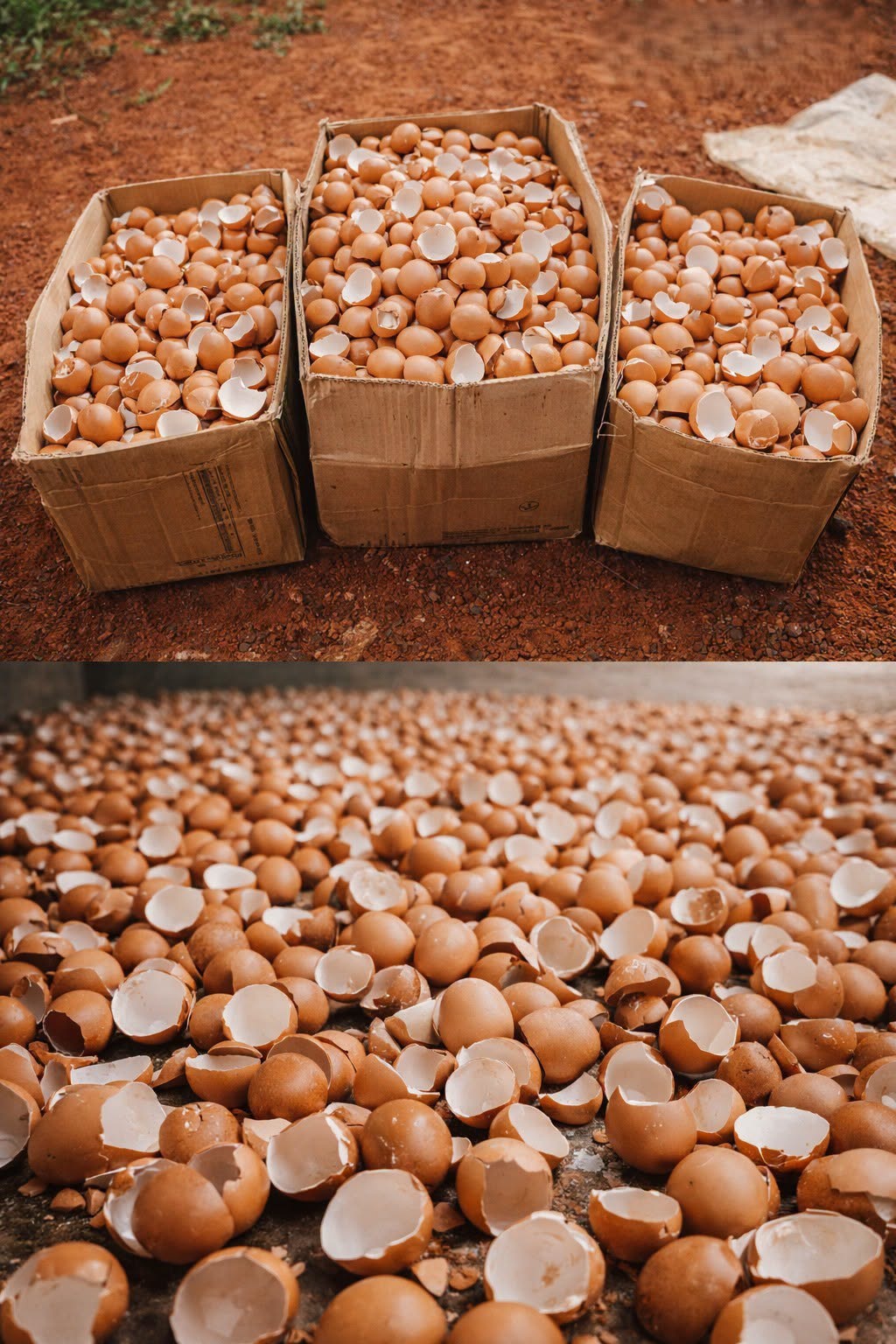
In most households, eggs are among the most commonly used ingredients, appearing in everything from breakfast dishes to baked desserts and family dinners. Yet once the egg is cracked open, the shell almost always ends up in the trash without a second thought. What many people don’t realize is that this seemingly useless leftover is packed with natural benefits that can be put to work throughout the garden and around the home. As more people embrace sustainable living and search for simple ways to reduce waste, eggshells have become an increasingly popular natural resource. Rich in minerals and surprisingly versatile, they can help improve soil, protect plants, support wildlife, and reduce the need for chemical products. Instead of throwing them away, gardeners are discovering that eggshells may be one of the easiest and most affordable tools for creating a healthier outdoor space.
One of the simplest uses for eggshells is protecting plants from common garden pests.
Slugs, snails, and other soft-bodied insects can quickly destroy flowers, vegetables, and young seedlings by feeding on their leaves overnight. While many gardeners rely on chemical pesticides to keep these pests under control, crushed eggshells offer a natural alternative that requires no harmful ingredients.
When broken into coarse, sharp pieces and spread around the base of vulnerable plants, the shells create a rough barrier that many crawling pests prefer to avoid. Their delicate bodies struggle to move comfortably across the jagged surface, encouraging them to search for easier food sources elsewhere.
This simple technique helps protect plants while avoiding chemicals that may also affect beneficial insects or contaminate garden soil.
Eggshells may also discourage larger garden visitors.
Homeowners living near forests, open fields, or rural neighborhoods often struggle with deer feeding on flowers, shrubs, and vegetable gardens. Although these animals are beautiful to observe from a distance, they can cause significant damage in just one evening.
Some gardeners believe that the lingering scent left on eggshells helps discourage deer from approaching certain areas. Sprinkling crushed shells around the perimeter of flower beds or near plants deer commonly eat may contribute to making the area less appealing, especially when combined with other humane deterrent methods.
While eggshells help keep some animals away, they can also attract wildlife that benefits your garden.
Many bird species require additional calcium during nesting season because females need the mineral to produce strong eggshells of their own. Clean, crushed eggshells can provide an excellent natural calcium source when placed on bird feeding platforms or scattered in open areas where birds regularly forage.
Before offering eggshells to birds, it is generally recommended to rinse them thoroughly and bake them briefly at a low temperature to reduce the risk of bacteria. Once cooled and crushed, they become a valuable nutritional supplement for many backyard birds while encouraging greater wildlife activity around the garden.
Perhaps the greatest benefit of eggshells comes from what happens beneath the soil.
Eggshells consist primarily of calcium carbonate, an important mineral that supports healthy plant growth. As the shells slowly decompose, they gradually release calcium and other trace minerals into the surrounding soil.
Unlike synthetic fertilizers that deliver nutrients quickly, eggshells break down over time, providing a slow and steady source of calcium that supports root development, stronger stems, and healthier overall plant growth.
Although decomposition occurs gradually, regularly adding crushed shells to compost or garden beds can contribute to improving soil quality over the long term.
Certain vegetables benefit especially from additional calcium.
Tomatoes, peppers, eggplants, and other members of the nightshade family sometimes develop a condition known as blossom-end rot, where the bottom of the fruit turns dark, leathery, and begins to decay. Blossom-end rot is commonly associated with calcium deficiency, although watering practices and the plant’s ability to absorb calcium also play important roles.
Mixing crushed eggshells into planting holes or garden soil may contribute to maintaining calcium levels over time, particularly when combined with proper watering and overall soil management.
Healthy soil chemistry is another area where eggshells may provide benefits.
Some gardens naturally become more acidic over the years due to rainfall, organic matter, or fertilizer use. Because eggshells contain calcium carbonate, they can gradually help buffer soil acidity as they decompose.
However, since eggshells break down slowly, they should not be viewed as a quick substitute for agricultural lime when major pH adjustments are needed. Instead, they work best as part of a long-term approach to maintaining balanced, healthy soil conditions.
Another excellent way to use eggshells is by adding them to a compost pile.
Composting transforms kitchen scraps and yard waste into nutrient-rich organic material that improves soil structure and fertility. Crushed eggshells contribute valuable minerals to finished compost while also adding coarse material that helps improve airflow throughout the compost pile.
Breaking the shells into smaller pieces before composting allows them to decompose more efficiently and blend more evenly into the finished compost.
Using eggshells in compost also supports a more sustainable household by reducing unnecessary food waste.
Instead of sending shells to landfills, homeowners can recycle them into valuable garden nutrients that return directly to the soil.
This simple practice creates a natural cycle in which everyday kitchen leftovers become part of future gardens, reducing waste while supporting healthier plants.
Although eggshells are not a miracle solution for every gardening challenge, they offer numerous practical benefits when used consistently and alongside other good gardening practices. Whether protecting plants from pests, supporting birds, enriching compost, or gradually improving soil, these ordinary kitchen leftovers demonstrate how small changes can make a meaningful difference over time.
The next time you prepare breakfast, consider saving those eggshells instead of throwing them away. With only a little effort, something usually considered waste can become a valuable resource that helps create healthier gardens, encourages wildlife, reduces household waste, and supports a more environmentally friendly way of living. Sometimes the most effective gardening tools are not expensive products from a store but simple materials that have been sitting in our kitchens all along.