You spend roughly one-third of your life asleep, assuming that the way you position yourself in bed is nothing more than a personal preference. Whether you favor your back, your stomach, or one particular side, it probably feels like a matter of comfort rather than health. Yet researchers and medical professionals have long observed that sleeping posture can influence several bodily functions, including digestion, circulation, and overall sleep quality. While no single position is perfect for everyone, many experts suggest that sleeping on the left side may offer certain advantages for some individuals.
Sleep is one of the body’s most important recovery processes. During these hours, your organs continue working, your tissues repair themselves, and your body regulates countless internal systems. Because of this, the position you maintain throughout the night can affect how efficiently some of these processes function. The left-side sleeping position has attracted particular attention because of the way it aligns with the natural placement of several major organs.
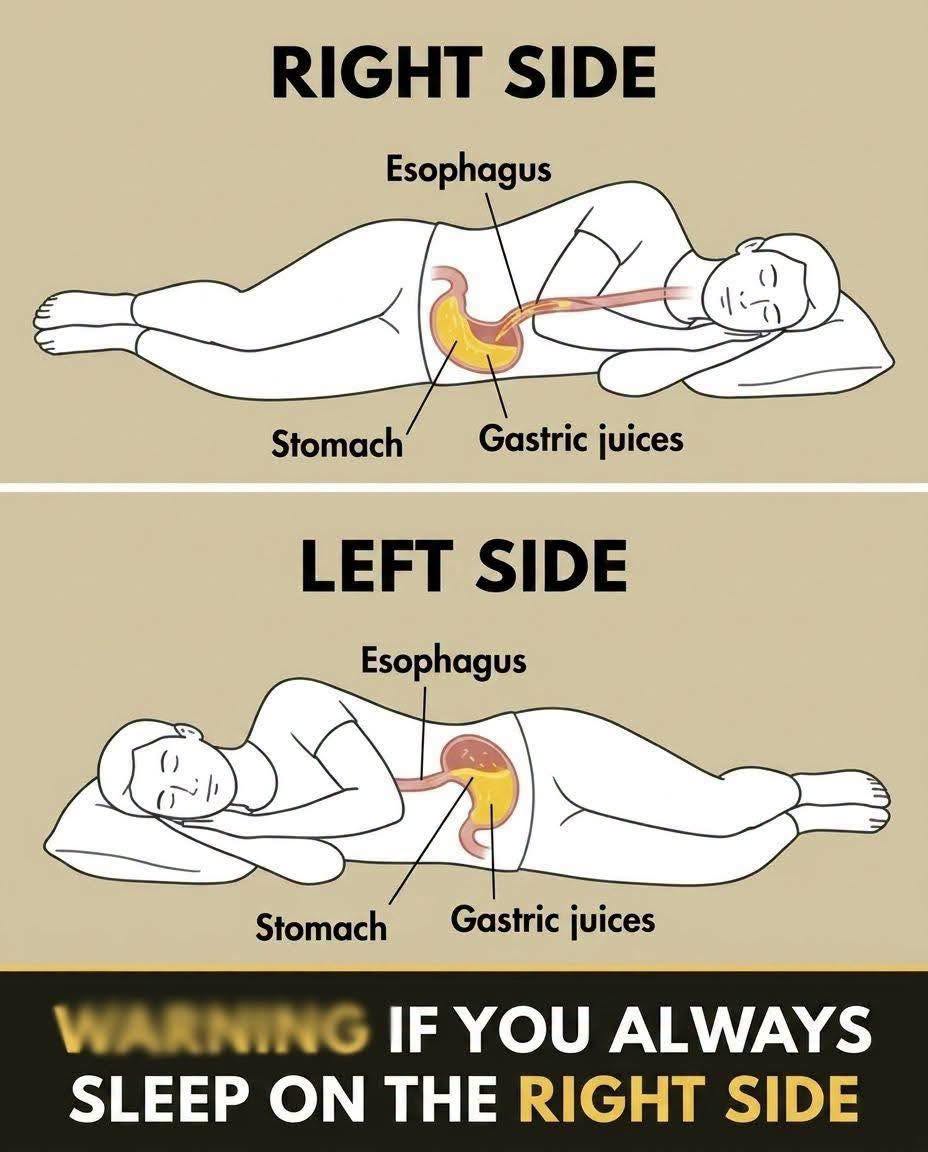
One commonly discussed benefit involves acid reflux and gastroesophageal reflux disease (GERD). The stomach is positioned slightly toward the left side of the body. When a person lies on the left side, gravity may help keep stomach contents lower than the esophagus, potentially reducing the likelihood of acid flowing upward. Many people who experience nighttime heartburn report greater comfort when sleeping in this position, which is why healthcare providers often recommend it as part of lifestyle management for reflux symptoms.
The body’s lymphatic system may also function more comfortably when sleeping on the left side. This network helps transport fluid, remove waste products, and support immune function. Because the largest lymphatic drainage channel, known as the thoracic duct, empties into circulation on the left side of the body, some researchers believe that left-side sleeping may encourage more efficient fluid movement. While sleep position alone is not a detoxification method, proper rest supports the body’s natural waste-removal processes.
Another organ frequently mentioned in discussions about sleeping posture is the spleen. Located on the left side of the abdomen, the spleen plays an important role in filtering blood and supporting immune responses. Some experts suggest that left-side sleeping may allow for more comfortable blood flow around this region, though the overall impact is generally modest. Nevertheless, many people find this position physically comfortable and easier on the body throughout the night.
Heart health is another area often associated with sleeping posture. The heart continuously pumps blood throughout the body, even during sleep. Certain studies suggest that sleeping on the left side may influence circulation patterns and venous return. However, the effects vary from person to person, and individuals with specific cardiovascular conditions should follow recommendations from their healthcare providers. What remains clear is that comfortable, uninterrupted sleep is one of the most important contributors to overall cardiovascular well-being.
Digestion and bowel function may also be influenced by body position. The arrangement of the intestines means gravity can play a role in how food and waste move through the digestive tract. Some experts believe that sleeping on the left side may support the natural flow of digestion and elimination. While this is not a cure for digestive issues, it may contribute to greater comfort for some individuals, particularly those who experience bloating or mild digestive discomfort.
Adapting to a new sleeping position can take time, especially for people who have spent years sleeping differently. Using supportive pillows, placing a cushion between the knees, or investing in a body pillow can make the transition more comfortable. Ultimately, the best sleeping position is one that allows you to rest deeply and wake feeling refreshed. For many people, the left side may offer several practical benefits, but quality sleep, comfort, and individual health needs remain the most important factors. By understanding how sleep posture affects the body, you can make informed choices that support long-term health and overall well-being.