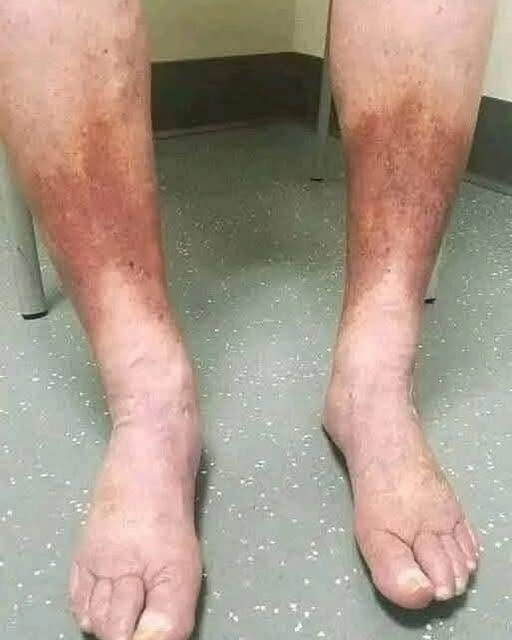
You get out of bed expecting an ordinary morning, but something immediately feels different. As you slide your feet into your shoes, they suddenly feel unusually tight. Looking down, you notice your ankles appear swollen, your feet look puffier than normal, and the skin seems stretched. At first, it may be tempting to blame yesterday’s long walk, a busy workday, or simply getting older. Yet swollen feet can sometimes be more than a temporary inconvenience—they may be your body’s way of signaling that something deeper deserves attention.
The human body constantly works to maintain a delicate balance between fluids, circulation, and organ function. When one part of this system begins struggling, even slightly, subtle changes can appear long before more serious symptoms develop. Swelling in the feet and ankles is one of those warning signs that people often overlook. While many cases are harmless and temporary, persistent swelling should never be dismissed without considering what might be causing it.
The medical term for this buildup of fluid is edema. It occurs when excess fluid escapes from tiny blood vessels and collects within nearby tissues. Because gravity naturally pulls fluid downward, the feet and ankles are usually the first places where swelling becomes noticeable. After spending hours sitting on an airplane, standing at work, or remaining inactive for long periods, fluid can gradually pool in the lower legs. As the tissues fill with fluid, shoes become tighter, socks leave deeper marks on the skin, and the ankles may lose their normal shape.
One important reason this happens involves circulation. The muscles in your calves play an essential role in helping blood return from the legs back toward the heart. Every step you take acts like a small pump that pushes blood upward against gravity. When those muscles remain inactive for long periods, circulation slows, allowing fluid to accumulate. This explains why swelling often develops after lengthy car rides, long flights, or days spent sitting behind a desk.
Diet also has a powerful influence on fluid retention. Eating large amounts of sodium causes the body to hold onto extra water in an effort to maintain proper chemical balance. Processed foods, canned soups, fast food, salty snacks, and many packaged meals contain surprisingly high amounts of salt, making swelling more likely. In addition, hot weather causes blood vessels to widen as the body attempts to release excess heat. This normal response can also allow more fluid to move into surrounding tissues, producing the familiar ankle swelling many people notice during summer months.
Swelling following an injury usually has a much more obvious explanation. A sprained ankle, twisted foot, or even a minor bruise triggers inflammation as the body begins repairing damaged tissues. Blood flow increases, immune cells rush to the injured area, and fluid accumulates around the site to support healing. In these situations, swelling serves a protective purpose and typically improves as the injury recovers.
When swelling appears without injury—or refuses to improve—it may indicate that the body’s internal organs are struggling to regulate fluid properly. The heart, kidneys, and liver all play major roles in maintaining normal fluid balance. If the heart cannot pump blood efficiently, pressure builds inside the veins, forcing fluid into surrounding tissues. Kidney disease may reduce the body’s ability to remove excess water and sodium, while certain liver disorders decrease production of proteins that normally keep fluid inside blood vessels. As a result, swelling in the legs and feet can become one of the earliest visible signs of these underlying conditions.
Not every case of swollen feet requires emergency treatment, but some symptoms should never be ignored. Swelling affecting only one leg—particularly if accompanied by pain, redness, or warmth—may signal a blood clot known as deep vein thrombosis. This condition requires immediate medical evaluation because a clot can potentially travel to the lungs and become life-threatening. Swelling accompanied by fever, severe redness, or rapidly worsening pain may also suggest an infection requiring prompt treatment.
Other warning signs deserve urgent medical attention as well. If swollen feet occur together with chest pain, persistent shortness of breath, extreme fatigue, or sudden difficulty breathing, they may indicate a serious heart or lung problem. Likewise, swelling that leaves a lasting indentation when pressed with a finger, known as pitting edema, may point toward significant fluid retention that should be evaluated by a healthcare professional.
Fortunately, many mild cases of swelling can be managed through simple lifestyle habits. Elevating the feet above heart level several times each day allows gravity to help move excess fluid back toward the body’s central circulation. Gentle walking, stretching, and ankle exercises activate the calf muscles, improving blood flow and reducing fluid buildup. Compression stockings can also provide additional support by encouraging healthy circulation throughout the lower legs.
Long-term prevention often depends on maintaining healthy daily routines. Limiting sodium intake, drinking enough water, staying physically active, maintaining a healthy weight, and avoiding prolonged periods of sitting or standing all reduce the likelihood of recurring edema. If work requires remaining in one position for extended periods, taking short movement breaks every hour can significantly improve circulation.
Our feet carry us through every stage of life, but they also quietly reveal valuable information about our overall health. Swelling is not always dangerous, yet it should never be ignored when it becomes persistent, unexplained, or accompanied by other concerning symptoms. Listening to these early signals and seeking medical advice when necessary allows small problems to be addressed before they develop into much larger ones. Sometimes the body whispers before it begins to shout, and swollen feet may be one of the first messages worth hearing.