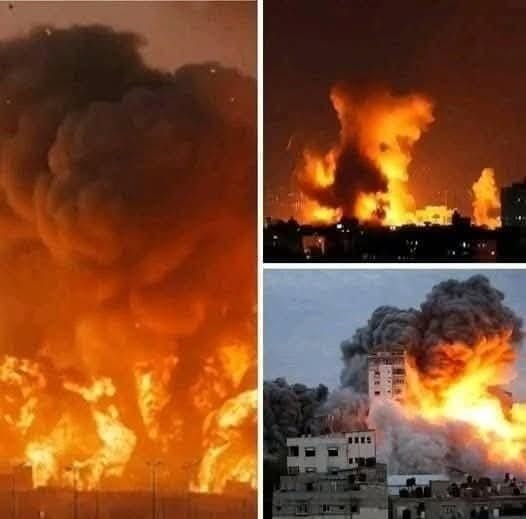
The road ahead is long and the challenges are formidable. The financial cost of rebuilding 300 homes is staggering, and the logistical hurdles of navigating insurance claims, construction delays, and permit approvals will likely take months, if not years, to overcome. Yet amid the devastation, a deeper question has begun to emerge. How does a community recover from more than just physical destruction? How does it rebuild trust, security, and a sense of belonging after watching everything familiar disappear in a matter of hours?
For many residents, the loss extends beyond property.
Photographs that can never be replaced.
Family heirlooms passed down through generations.
Children’s drawings taped to refrigerator doors.
Wedding albums.
Letters.
The small objects that quietly hold the story of a life.
Fire does not distinguish between valuable possessions and priceless memories. It consumes both with equal indifference.
That reality has made the grieving process uniquely painful.
Survivors describe walking through the remains of their homes searching not for furniture or electronics, but for fragments of their history. A partially burned photograph. A melted piece of jewelry. A ceramic ornament somehow left intact among the rubble. These discoveries may seem insignificant to outsiders, yet they often become symbols of continuity in a moment when everything else feels lost.
Mental health professionals have already begun warning that the emotional effects of the disaster may linger far longer than the visible scars left on the landscape.
Trauma does not disappear when the smoke clears.
Many families are experiencing anxiety, insomnia, and overwhelming uncertainty about the future. Children who escaped the fire are struggling to understand why their homes no longer exist. Parents are trying to remain strong while carrying fears they can barely process themselves.
This is why recovery must be viewed as more than a construction project.
It is a human project.
A process of helping people rebuild not only walls and roofs but confidence and hope.
Across the district, stories of courage continue to surface.
One neighbor reportedly ran door to door warning residents as flames advanced.
A local teacher transformed her classroom into a temporary supply center within hours of the evacuation.
Volunteer firefighters worked through exhaustion, refusing to leave their positions even as conditions became increasingly dangerous.
These acts may not erase the tragedy, but they reveal something important.
Disasters often expose the worst vulnerabilities within a system.
They also reveal the best qualities within people.
As investigations continue into the exact cause of the fire, officials are expected to conduct a comprehensive review of emergency preparedness measures throughout the region. Questions are already being raised about evacuation routes, vegetation management, emergency alert systems, and the availability of firefighting resources.
Residents want answers.
Not because answers can undo what happened.
But because understanding the failures that contributed to the disaster is essential if future tragedies are to be prevented.
The conversation has now expanded beyond this single district.
Communities throughout the region are examining their own preparedness plans, asking whether they would be ready if faced with a similar emergency. Fire safety experts argue that this broader awareness may ultimately become one of the few positive outcomes to emerge from such a devastating event.
Preparedness is often overlooked during periods of calm.
It is only after disaster strikes that vulnerabilities become impossible to ignore.
For the families who lost everything, however, those larger policy discussions remain secondary to immediate realities.
Finding housing.
Replacing essential documents.
Returning children to school.
Securing employment.
Managing insurance claims.
Rebuilding daily life one step at a time.
These practical challenges form the foundation of recovery, even as larger plans for reconstruction take shape.
Still, despite the magnitude of the destruction, there is a determination visible throughout the community.
It can be seen in volunteers unloading supplies.
In neighbors sharing meals.
In families gathering around folding tables at temporary shelters and discussing plans for the future.
The fire may have destroyed structures, but it has not destroyed the bonds connecting the people who lived within them.
That resilience may prove to be the district’s greatest asset.
Long after emergency crews depart and media attention shifts elsewhere, the residents will remain.
They will carry the memories of what was lost.
They will face setbacks and frustrations.
They will grieve.
But they will also rebuild.
Brick by brick.
Street by street.
Home by home.
And perhaps, years from now, when new houses stand where ashes once covered the ground, this tragedy will be remembered not only for the destruction it caused but for the strength it revealed.
Because while fire can erase buildings in a matter of hours, it cannot extinguish the determination of a community that refuses to disappear.
The coming months will test that determination in ways no one could have imagined before the flames arrived.
Yet if the promises of support become reality, if lessons are transformed into action, and if the spirit of solidarity that emerged during the darkest hours continues to endure, then this devastated hillside district may eventually become something more than a symbol of loss.
It may become a symbol of recovery, resilience, and the extraordinary ability of people to begin again when everything they know has been reduced to ash.