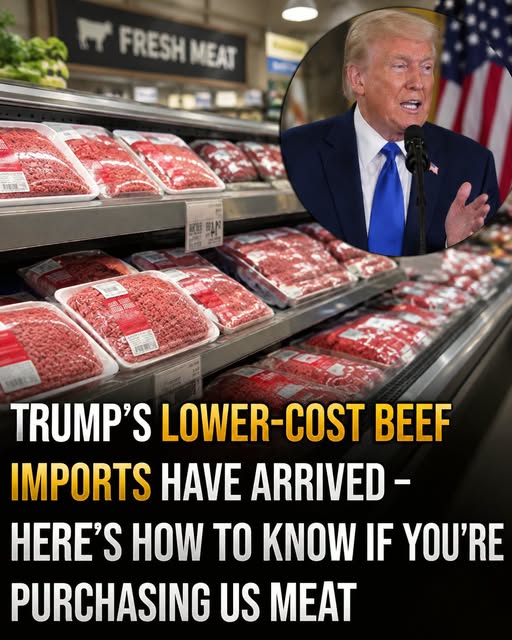
The label on your burger just changed – and almost nobody noticed. While Americans argue about inflation, rising grocery bills, and what it really means to “buy local,” a single quiet rule change has rewritten what the words “Product of USA” can mean. Your grocery store probably didn’t warn you. Most shoppers never heard about it. And the meat industry had little reason to make the change a major headline. Now, one small phrase printed on a package can influence how you understand where your dinner actually came from.
The story begins with what sounds like a technical adjustment buried deep inside federal regulations, the kind of policy change most consumers would never think to look for. But the consequences can reach directly onto the dinner table. During a historic cattle shortage, rules surrounding the labeling and processing of beef were changed in ways that created new questions about what qualifies as a “Product of USA.” Under the newer interpretation, beef that originates from another country can be processed, cut, or packaged at a U.S. facility and, under certain circumstances, still carry labeling that gives consumers a strong impression of American origin.
To most shoppers, the phrase “Product of USA” sounds simple and reassuring. It can suggest American ranchers, American cattle, American farms, and a supply chain that begins and ends in the United States. When someone sees those words on a package of beef, they may naturally assume that the animal itself was born, raised, and processed somewhere in America. But the reality behind the label can be more complicated. Depending on the labeling rules and the specific product, the animal may have been born and raised overseas before eventually entering the United States for additional processing.
That distinction matters because consumers often make purchasing decisions based on what they believe a label is telling them. Someone may intentionally choose a package marked “Product of USA” because they want to support American cattle ranchers. Another shopper may be concerned about where an animal was raised, how it was handled, or what agricultural standards applied before the meat reached the supermarket. Yet the label alone may not always provide the complete story that the shopper assumes it does.
For struggling American ranchers, the issue can feel deeply personal. Cattle producers across the country have faced difficult economic pressures, including limited cattle supplies, high operating costs, unpredictable markets, and changing consumer demand. When imported beef enters the American market and can receive labeling that consumers interpret as distinctly American, some ranchers worry that the difference between domestic and imported products becomes harder to see. They argue that American producers should not have to compete against imported cattle while shoppers are left with an unclear understanding of where the meat originated.
For consumers, the situation creates a different kind of problem. It becomes a question of transparency. People are already paying more attention to where their food comes from, how it is produced, and who benefits when they spend their money. But when a familiar phrase on a package can mean something different from what shoppers naturally assume, that confidence becomes harder to maintain. The issue is not simply about whether imported beef is good or bad. It is about whether consumers have enough information to make the choice they believe they are making.
The timing also makes the controversy especially significant. The United States has experienced periods of severe pressure in the cattle industry, with historically tight cattle supplies affecting prices throughout the beef market. When domestic production is limited, imported beef can play a larger role in filling the gap. Supporters of a flexible supply chain can argue that imported meat helps maintain availability and can provide another source of beef when domestic supplies are under pressure. Critics, however, worry that the convenience of processing imported beef in American facilities can blur the distinction between American-produced beef and foreign-produced beef.
And that is where the wording on the package becomes so important. Consumers don’t normally stop in the meat aisle and research federal regulations before buying dinner. They see a familiar label, recognize a phrase that sounds trustworthy, and move on. A shopper might be standing in front of dozens of packages, comparing prices while thinking about a family meal, and never realize that the meaning behind a familiar label has become a subject of regulatory debate.
There is also a larger question hiding behind the controversy: What should “Product of USA” actually mean? Should the phrase require the animal to be born, raised, slaughtered, and processed entirely within the United States? Or should a product be considered American if significant processing takes place inside an American facility, even when the animal originated somewhere else? Those are very different definitions, and the difference may not be obvious to the average person standing in a grocery store.
For American ranchers, the distinction can have real economic consequences. Raising cattle requires years of investment before an animal ever reaches a consumer’s plate. Ranchers pay for land, feed, veterinary care, equipment, labor, transportation, and countless other expenses. Their cattle may spend their entire lives within the American agricultural system. If consumers cannot easily distinguish that beef from meat originating abroad, ranchers fear that one of the biggest advantages they have—the ability to tell the story of an American-raised animal—becomes less valuable.
At the same time, consumers are not necessarily being given an easy alternative. Even shoppers who genuinely want to support domestic ranchers may struggle to determine exactly what they are purchasing from the front of a package. The average customer doesn’t have access to the supply-chain records behind a steak or burger. They rely heavily on labels, and labels only work when consumers understand what the words actually guarantee.
That is why one seemingly ordinary phrase can become so powerful. “Product of USA” carries an emotional meaning far beyond its few words. It can evoke American farms, family ranches, open fields, hardworking producers, and a connection between the customer and the person who raised the animal. When the legal definition behind those words becomes more complicated, the emotional promise can remain even when the underlying reality is different.
The debate also exposes a broader problem with food labeling in America: the difference between what a label technically means and what consumers think it means. A label can be legally accurate while still creating an impression that shoppers interpret differently. That gap between technical accuracy and everyday understanding is where much of the confusion begins. A consumer may not technically be misled under the applicable rule, yet still walk away believing something about the product that the label does not necessarily guarantee.
And while politicians, regulators, ranchers, meat processors, retailers, and consumer advocates debate the issue, most Americans are simply trying to buy groceries. They want affordable food, reliable quality, and enough information to decide what deserves their money. They may not follow cattle markets or federal labeling regulations. They may not know where imported cattle are processed or how the wording on a package is determined. But they do understand what they think “Product of USA” means.
That is ultimately why this quiet labeling change matters. The argument isn’t only about beef. It is about trust. It is about whether a few words printed on a package give consumers the information they reasonably expect. It is about whether buying American actually means what shoppers believe it means. And it is about whether the people producing America’s food should be clearly distinguishable from products that simply pass through an American processing facility.
The next time you stand in the grocery store and reach for a package of beef, that little label may look exactly the same as it always has. The letters may be familiar. The packaging may look patriotic. The price may appear beside it. But behind those few words is a complicated supply chain involving ranchers, importers, processors, regulators, retailers, and consumers. And once you understand how complicated that chain can be, you may never look at the words “Product of USA” quite the same way again.
Because sometimes the biggest changes in the food system don’t arrive with a dramatic announcement. They arrive quietly, buried inside a regulation, printed in tiny letters, and placed on a shelf where millions of people pass by every week. And when the change finally becomes visible, consumers may realize that the most important part of the label was never the size of the letters. It was the meaning behind them.