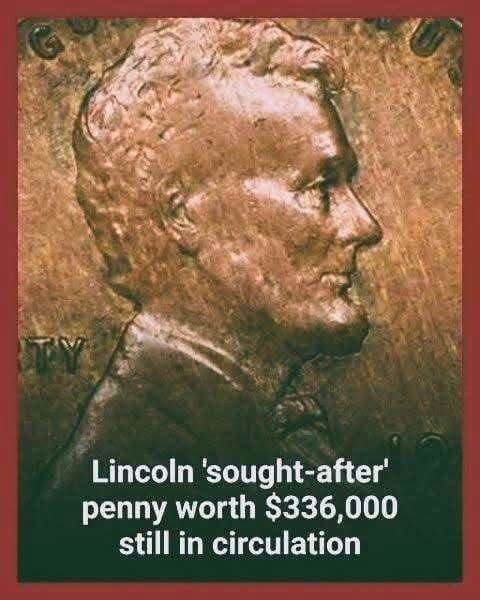
A single mistake during wartime turned a common penny into a million-dollar ghost. Born in the chaos of 1943, this mysterious coin somehow slipped past the Mint, past inspectors, and past the strict production rules of a nation consumed by war. It shouldn’t exist. Yet it does. For decades, these rare pennies have been hunted by collectors, surrounded by rumors, imitated by counterfeiters, and occasionally discovered in places where nobody expected them—a forgotten jar of change, an old dresser drawer, or a family collection that had been untouched for generations.
In the darkest years of World War II, copper was no longer simply a metal used for everyday coins. It was a strategic resource desperately needed for bullets, ammunition, electrical wiring, communications equipment, and countless other necessities of the war effort. With resources being redirected toward the battlefield, the U.S. Mint needed to find a way to reduce the amount of copper used in pennies without stopping production entirely.
The solution was unusual and immediately recognizable. In 1943, pennies were struck using zinc-coated steel instead of the traditional bronze composition. The new coins looked almost silver-gray, completely different from the familiar copper-colored cents Americans had carried for years. Millions were produced, and the change was intended to conserve valuable copper for the war effort.
But inside the enormous machinery of the Mint, something went wrong.
A small number of bronze planchets left over from the previous year’s production apparently remained in the system. These blanks had been intended for 1942 cents, when bronze pennies were still being produced. They were never supposed to enter the 1943 production run. Yet somehow, they remained among the equipment and materials as the Mint transitioned to steel.
When the dies dated 1943 began their work, a few of those stray bronze blanks were struck. The result was an extraordinary contradiction: a bronze penny carrying a date that was supposed to represent the year of steel cents.
The mistake was tiny, almost invisible within the enormous scale of wartime production. Millions of pennies were being manufactured, and only a very small number appear to have been struck on the wrong metal. Yet those few accidental coins would eventually become among the most valuable and mysterious pieces of American coinage.
The story became even more fascinating because the coins were not created as special editions. Nobody intentionally made them rare. There was no commemorative purpose and no plan to produce a valuable collector’s item. They were simply mistakes created by the intersection of old materials, new dies, and a production system operating under extraordinary wartime pressure.
When examples began surfacing in the years after the war, they immediately attracted attention. A 1943 penny was expected to be steel. Finding one that looked like an ordinary bronze cent raised an obvious question: how could it possibly exist?
The mystery spread quickly among collectors and eventually reached the broader public. Newspapers and coin publications helped turn the unusual pennies into legends. Suddenly, ordinary people began looking more closely at the change in their pockets, wondering whether one of the rare pieces could somehow have escaped into circulation.
Children checked handfuls of pennies. Families searched old containers of coins. Collectors compared dates and colors with renewed interest. The possibility that a seemingly worthless penny could be worth a fortune transformed everyday pocket change into a potential treasure hunt.
But the rarity of the coins also created another problem. Whenever an object becomes extremely valuable, counterfeiters and people hoping to make a quick profit tend to follow. The 1943 Bronze Cent became a tempting target for anyone hoping to transform an ordinary steel penny into something far more valuable.
Some altered coins have appeared over the years, making authentication absolutely essential. A coin that simply looks bronze is not automatically genuine. Specialists examine its weight, composition, dimensions, surfaces, and other characteristics to determine whether it truly belongs to the extremely small group of authentic examples.
That is part of what makes the legend so powerful. Finding an unusual 1943 penny is exciting, but proving that it is genuine is an entirely different challenge. The difference between an ordinary coin and an authentic 1943 Bronze Lincoln Cent can represent an enormous financial gap.
Only a very small number of confirmed examples are known today, and their rarity has pushed their value to extraordinary levels. Depending on authenticity, condition, provenance, and the circumstances of a particular sale, genuine examples have reached prices that can make a one-cent piece worth hundreds of thousands of dollars or even more.
Yet the possibility of another discovery continues to fascinate collectors. Old coins often remain hidden for decades because their owners have no idea what they possess. A penny may sit inside a jar, a box in an attic, a dresser drawer, or an inherited collection without anyone giving it a second look.
That is why the story refuses to disappear. Somewhere, perhaps, another unusual coin could still be waiting to be identified. The odds are extraordinarily small, but rarity has never stopped people from searching.
The 1943 Bronze Lincoln Cent is more than just a valuable mint error. It captures the tension of an extraordinary period in American history. The country was fighting a global war, resources were being rationed and redirected, and even something as ordinary as a penny had become part of the national effort.
The coin also reveals something deeply human about large systems. The U.S. Mint was operating with procedures, inspections, machinery, and countless workers, yet perfection was impossible. A few pieces of bronze somehow survived the transition to steel and were struck with the wrong dies.
That tiny failure created something that became enormously important to collectors.
The irony is difficult to ignore. During a period when copper was considered too valuable to waste on ordinary pennies, a few copper-colored cents were accidentally created—and those mistakes eventually became worth far more than anyone involved could have imagined.
When the first examples surfaced after the war, they were not just curiosities. They represented a tiny crack in the assumption that a massive wartime production system could operate without error. Newspapers helped transform that crack into a story of mystery, and collectors kept the search alive long after the war itself had ended.
Generations later, the fascination remains. The coins are hunted because of their value, but also because of the story they carry. Each genuine example represents a moment when old materials and new production rules briefly collided, creating something that was never intended to leave the Mint.
More than a mint error, these pennies have become relics of wartime anxiety, improvisation, and human imperfection. They remind us that behind every enormous machine are people, materials, decisions, and countless opportunities for something unexpected to happen.
A single forgotten bronze blank could pass through a system designed to prevent exactly that mistake. A die could strike it with the wrong date. An inspector could miss it. A coin could enter circulation. And decades later, someone could find it and realize they were holding something extraordinary.
That is why the 1943 Bronze Lincoln Cent continues to feel almost like a ghost from another era. It was never supposed to exist, yet it survived. It was worth almost nothing when it was created, yet it can command staggering sums today.
And perhaps somewhere in an old jar of pennies, a forgotten dresser, or a family collection that has not been examined in decades, another piece of that wartime mystery is still waiting to be discovered.