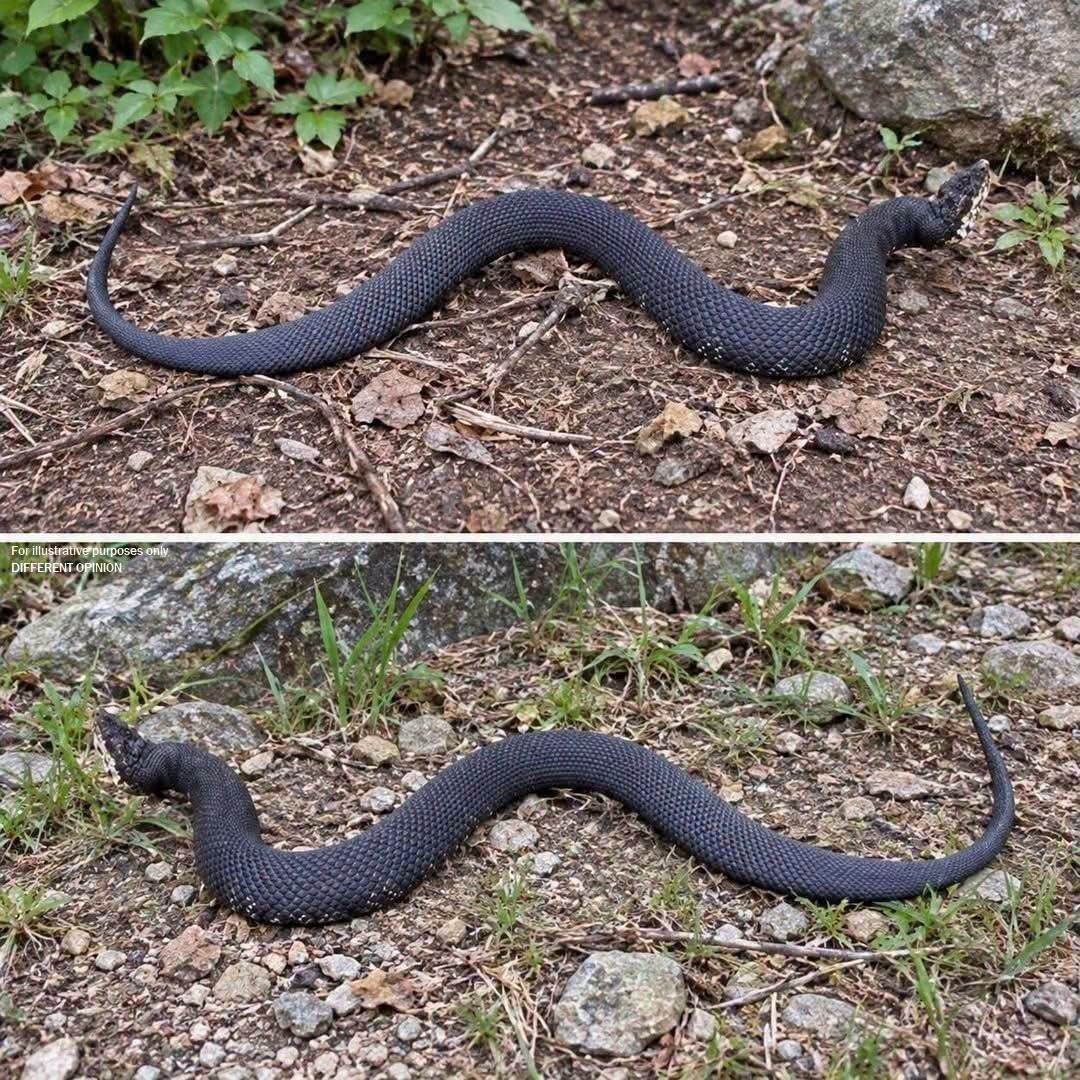
Turkey Hunter Bitten by Mysterious Black Snake: A Terrifying Encounter in the Woods
What began as an ordinary hunting trip quickly turned into a frightening experience when a turkey hunter was reportedly bitten by a mysterious black snake while moving through the woods. The unexpected encounter serves as a reminder that even experienced hunters can face dangerous wildlife encounters when spending time outdoors.
Turkey hunting often requires patience, quiet movement, and careful attention to the surrounding environment. Hunters may walk through thick brush, cross fallen trees, or reach into areas where snakes can remain hidden from view. In such conditions, an unexpected encounter can happen in seconds.
A Sudden Encounter in the Woods
The hunter was reportedly navigating a wooded area when he encountered the dark-colored snake. Black snakes can be difficult to identify accurately, particularly when visibility is limited or the animal moves quickly through leaves and undergrowth.
Although many snakes with dark coloring are harmless, some venomous species can also appear dark. Color alone is not a reliable way to determine whether a snake is dangerous.
Without a photograph, geographic location, or verified identification, it is impossible to establish what species was involved in this reported incident.
Why Snake Bites Can Be Dangerous
A snake bite can range from a minor injury to a medical emergency, depending on the species, the amount of venom injected, and the victim’s response.
Possible warning signs following a venomous bite include severe pain, swelling, bruising, nausea, weakness, and difficulty breathing. However, symptoms can vary, and the absence of immediate severe symptoms does not rule out a dangerous bite.
Anyone bitten by a snake suspected of being venomous should seek emergency medical assistance immediately.
What Should You Do After a Snake Bite?
If a snake bites you while hunting or hiking, taking the right steps can help reduce the risk of further injury.
Move away from the snake to prevent another bite.
Call emergency services immediately.
Keep the affected limb as still as possible and remove rings or other tight items before swelling develops.
Do not cut the wound, suck out venom, apply ice, or use a tourniquet.
Do not attempt to catch or kill the snake. If it can be photographed safely from a distance, the image may help professionals identify it.
A Reminder for Hunters and Outdoor Enthusiasts
Hunters frequently travel through environments where wildlife is difficult to see. Wearing appropriate boots, watching where you step, and avoiding placing your hands into concealed spaces can help reduce the risk of snake encounters.
While a mysterious black snake may sound particularly frightening, its color alone does not establish whether it was venomous.
The exact circumstances of this reported hunting incident, including the snake’s identity and the hunter’s condition, have not been independently verified. A reliable source or the original report would be needed to establish what happened and whether the hunter recovered.