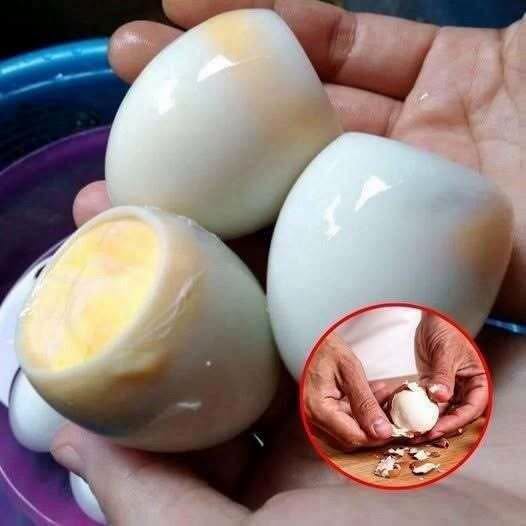
The first time you remove perfectly cooked eggs from the oven, it almost feels too easy to believe. There’s no pot of boiling water demanding constant attention, no guessing exactly when to turn off the heat, and no disappointment from cracked shells or overcooked yolks. Instead, a simple muffin tin quietly does the work while the oven cooks an entire batch at once. For many home cooks, this hands-off technique has become a surprisingly convenient alternative to traditional boiling. Still, like every cooking method, it comes with its own advantages and a few important drawbacks worth understanding.
Baking eggs offers an especially practical solution for anyone preparing meals in advance or serving breakfast to a large group. By placing eggs into the cups of a muffin tin and baking them at around 325°F to 350°F, you can cook a dozen eggs simultaneously without standing over the stove. Once they’re finished, transferring them immediately into an ice bath stops the cooking process, helps preserve a smooth texture, and often makes peeling the shells much easier. The method is simple, consistent, and allows you to focus on other kitchen tasks while the eggs cook on their own.
However, the oven method is not without its limitations. It generally takes longer than boiling eggs on the stovetop, and because every oven heats a little differently, the results may vary from one kitchen to another. Some eggs may develop harmless brown spots on the shell where they come into direct contact with the hot metal of the muffin tin, while others may have whites that become slightly firmer than expected. If left in the oven too long, the yolks can become dry or develop the familiar greenish-gray ring caused by overcooking—a cosmetic change that is completely safe but often less appealing.
Ultimately, both methods can produce excellent hard-cooked eggs when done correctly. The oven is ideal for preparing large batches with minimal effort, making it especially useful for meal prepping, holiday brunches, or busy mornings. The stovetop, on the other hand, remains the better choice when speed and precise control are your priorities. Neither technique is universally better than the other. The best option simply depends on your schedule, your kitchen setup, and the cooking style that fits your routine. No matter which approach you choose, a little attention to timing and proper cooling will reward you with delicious, easy-to-peel eggs every time.