Have you ever looked at an everyday object and wondered why it was designed in such a strange way?
Maybe it was the tiny hole in a pen cap.
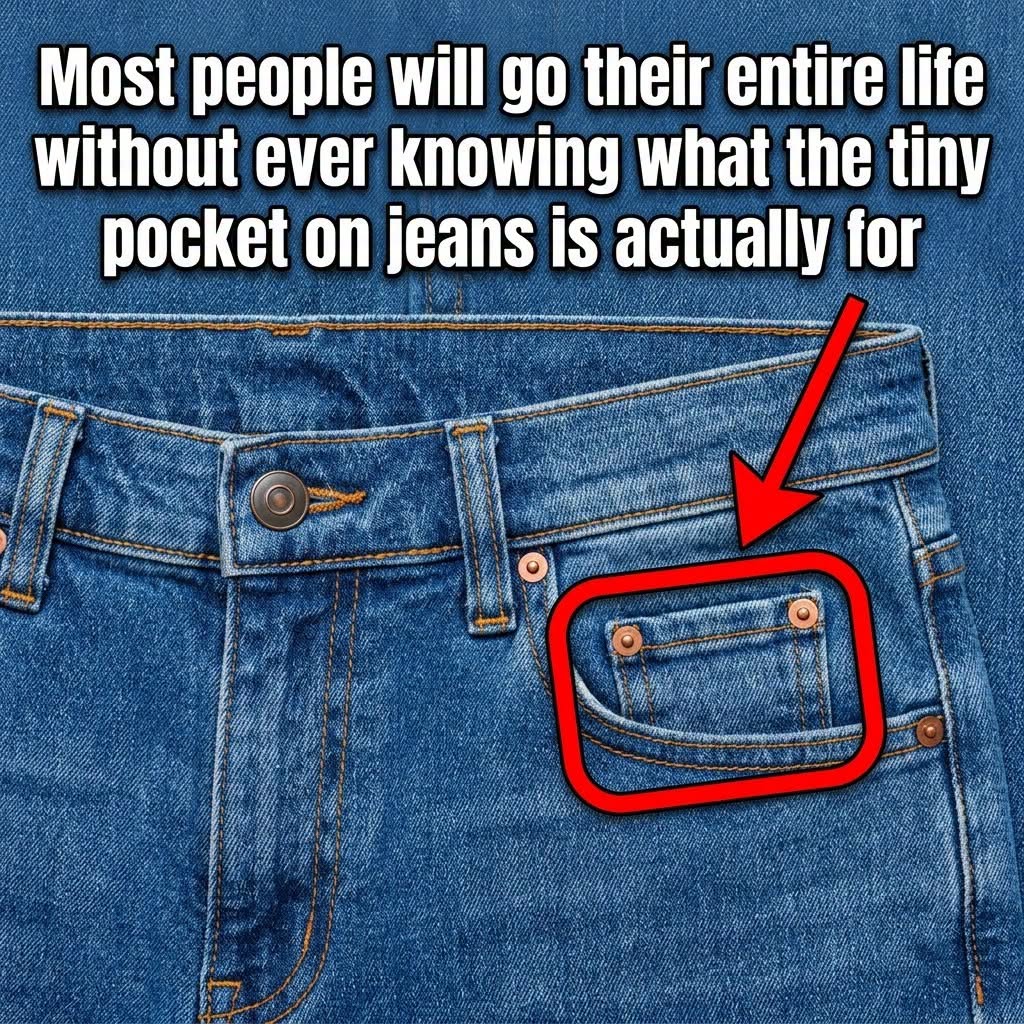
The odd little pocket inside your jeans.
Or that mysterious notch on a bottle.
Most of us notice these details for a second, assume they’re meaningless, and move on.
But here’s the surprising truth: many of those unusual design features exist for very specific reasons.
Someone deliberately put them there.
Engineers, designers, and manufacturers spent years solving problems most people never even realized existed. The result is a world filled with hidden design features that quietly make everyday life safer, easier, and more practical.
Here are some fascinating examples.
1. The Hole in a Pen Cap
One of the most common design mysteries is the small hole found in many pen caps.
It isn’t decorative.
Manufacturers added the hole as a safety feature. If a child accidentally swallows the cap, the opening may allow air to pass through, reducing the risk of complete airway obstruction.
A tiny hole could potentially save a life.
2. The Hole in a Soda Can Tab
Many people assume the opening in a soda can tab exists only to help pull it upward.
It actually serves another purpose.
After opening the can, you can rotate the tab and use the hole to hold a drinking straw in place. This helps prevent the straw from floating around inside the can.
3. The Arrow Beside Your Fuel Gauge
Ever borrowed a car and forgotten which side the gas tank is on?
Most modern vehicles solve this problem with a small arrow located beside the fuel pump icon on the dashboard.
The arrow points directly toward the side of the vehicle where the fuel door is located.
A simple feature that saves countless awkward moments at gas stations.
4. The Margins on Notebook Paper
Those wide margins on lined paper weren’t originally created for neat handwriting.
Historically, rats and mice frequently chewed the edges of stored paper documents. The margin provided a protective buffer zone, helping preserve important notes and records even if the edges were damaged.
5. Why Glass Bottles Have Long Necks
The long neck on many glass beverage bottles isn’t just for appearance.
It encourages people to hold the bottle by the neck rather than around the body.
This reduces heat transfer from your hand, helping keep the drink cooler for longer.
6. The Hole in Pot Handles
Many cooking pots and pans include a hole at the end of the handle.
While it can be used for hanging storage, it also works perfectly as a holder for stirring spoons, helping keep countertops cleaner while cooking.
7. The Tiny Pocket Inside Jeans
That small pocket inside the front pocket of jeans has puzzled people for generations.
It was originally designed in the 1800s to hold pocket watches safely.
Although most people no longer carry pocket watches, the pocket remains a classic feature of denim design.
8. The Bumps on Keyboard Keys
Look closely at your keyboard.
The F and J keys usually have small raised bumps.
These allow typists to position their fingers correctly without looking down, making touch typing faster and more accurate.
9. The Hole in a Measuring Tape
The small hole at the end of a tape measure isn’t accidental.
It allows the tape to hook onto a nail or screw when measuring longer distances by yourself.
10. The Indentation on Milk Jugs
Those circular dents on plastic milk containers aren’t manufacturing mistakes.
They help strengthen the container and provide flexibility if the liquid expands due to temperature changes.
11. The Hole in Airplane Windows
Commercial airplane windows contain a tiny hole in the inner pane.
This “breather hole” helps regulate pressure between window layers and prevents fogging during flight.
12. The Lines on Solo Cups
The horizontal ridges on many plastic party cups aren’t merely decorative.
They can serve as rough measurement guides for different beverage quantities.
13. The Blue Side of Erasers
Many people grew up believing the blue half of a pink-and-blue eraser could erase ink.
In reality, it was designed for use on thicker, tougher paper surfaces where the softer pink side wasn’t effective.
14. The Extra Fabric and Buttons in New Clothing
Those spare buttons and fabric swatches included with new clothing aren’t just replacements.
The fabric sample allows you to test detergents, stain removers, or washing methods before using them on the garment itself.
15. The Hole Near the Top of Converse Sneakers
The extra pair of holes near the ankle on classic Converse shoes aren’t manufacturing errors.
Originally, they were added for improved ventilation and to allow alternative lacing methods that provide extra ankle support.
The next time you notice an odd bump, hole, groove, or notch on something you use every day, take a second look.
Chances are it isn’t there by accident.
Behind many of the world’s simplest objects lies a hidden story of problem-solving, innovation, and clever design.
And once you start noticing them, you’ll realize everyday objects are far more interesting than they first appear.