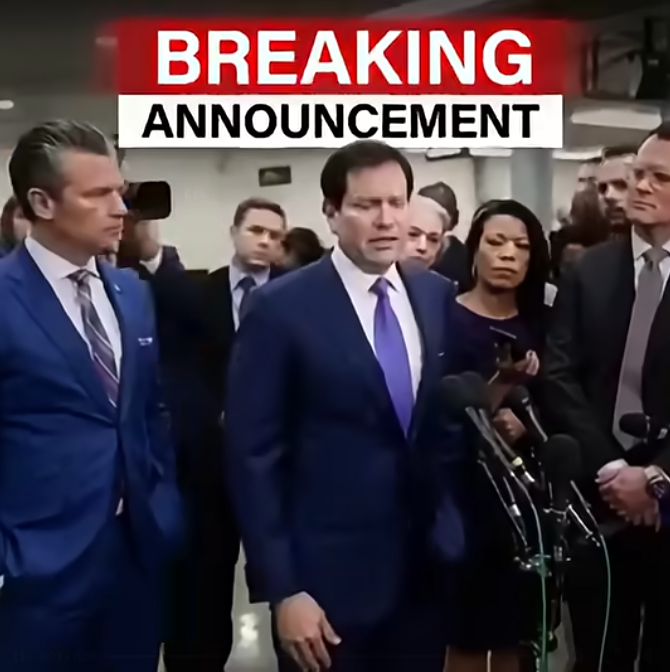
The surface may appear calm, but beneath the diplomatic language and carefully measured statements, concern is growing. Behind closed doors, senior officials are increasingly aware that tensions involving the United States, Israel, and Iran remain dangerously fragile. One miscalculation, one misunderstood signal, or one unexpected escalation in the Strait of Hormuz could trigger consequences that extend far beyond the Middle East. As diplomatic channels remain active, the margin for error continues to shrink.
Marco Rubio has recently sought to strike a delicate balance between caution and optimism. While acknowledging that diplomatic discussions have produced some limited progress, he has repeatedly avoided describing the situation as a breakthrough. Instead, he has emphasized the importance of realistic expectations, warning that the path toward stability remains uncertain and vulnerable to sudden setbacks.
At the center of growing concern is the Strait of Hormuz, one of the most strategically important waterways in the world. A significant portion of global energy supplies passes through this narrow corridor every day, making it a critical artery for international trade and economic stability. Any disruption—whether political, military, or economic—could have immediate consequences for global markets and energy prices.
Adding another layer of complexity is the renewed involvement of Pakistan as a potential intermediary. Diplomatic sources have highlighted efforts to maintain communication channels between regional actors, with particular attention focused on high-level meetings and consultations aimed at reducing tensions. Pakistan’s role reflects both the urgency of the moment and the recognition that regional dialogue may help prevent further escalation.
One of the more contentious issues under discussion involves proposals related to maritime regulation and transit through the Strait of Hormuz. Concerns have been raised that changes affecting commercial shipping could alter the balance of control in one of the world’s most sensitive geopolitical regions. Critics argue that even limited restrictions or new requirements could create uncertainty, affect shipping costs, and increase tensions among nations already operating under significant pressure.
Rubio has expressed skepticism regarding any measures that could interfere with the free flow of international commerce through the waterway. His position reflects broader concerns within Washington that disruptions to shipping routes could ripple across global supply chains, impact fuel costs, and create additional instability in an already volatile environment.
While diplomacy remains the preferred path for all parties publicly involved, officials privately acknowledge that progress is far from guaranteed. Negotiations continue to move forward in small increments, but each development is accompanied by risks. Regional rivalries, security concerns, and decades of mistrust continue to complicate efforts to reach lasting agreements.
For now, the diplomatic door remains open. However, many analysts believe the coming weeks may prove decisive. Decisions made by leaders in Washington, Tehran, Jerusalem, and other regional capitals could shape not only immediate tensions but the broader strategic landscape of the Middle East for years to come. The situation remains fluid, and while opportunities for dialogue still exist, the pressure on all sides continues to intensify.
What makes this moment particularly significant is not merely the disagreements themselves, but the recognition that the consequences of failure could extend far beyond the region. Energy markets, international trade routes, and global security interests are all closely tied to developments in the Strait of Hormuz. As a result, every diplomatic move, every public statement, and every negotiation now carries heightened significance in determining whether the region moves toward stability or renewed confrontation.