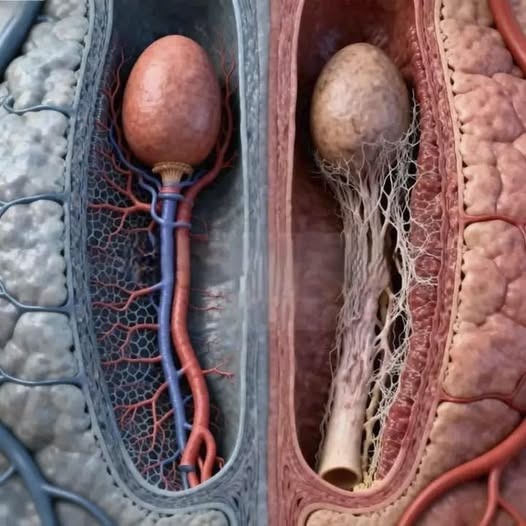
Most people rarely think about their kidneys. They exist quietly, performing one of the most essential roles in the human body, yet they rarely capture our attention. Unlike the heart, which pounds visibly during exertion, or the lungs, which reveal distress when breathing becomes labored, kidneys operate in near-total silence. There’s no daily reminder of their work, no dramatic alerts, no painful notifications that something is amiss. This invisibility is exactly what makes neglecting them so dangerous.
Every day, every hour, and every minute, your kidneys are engaged in a series of vital processes that sustain life. They filter toxins and waste from your blood, remove excess fluids, balance electrolytes, regulate minerals like sodium and potassium, and support the production of hormones essential for controlling blood pressure and forming red blood cells. They are your body’s internal filtration system, your biochemical regulators, and, in every sense, the unsung heroes of your physiology. Yet, despite their ceaseless labor, they don’t complain when something starts to fail.
Kidney damage rarely arrives with obvious signs. Pain is often absent, and symptoms—when they do appear—are subtle, easily dismissed, or mistaken for fatigue, stress, or other minor health issues. Damage develops slowly, silently, accumulating over months and years while life continues as normal. By the time you notice swelling, changes in urination, persistent fatigue, or elevated blood pressure, significant damage has often already occurred. This stealthy progression is why kidney health is so frequently overlooked, despite its central importance to overall well-being.
The kidneys’ responsibilities extend far beyond mere filtration. They constantly adjust the body’s fluid levels, maintaining balance in response to diet, hydration, stress, and activity. They regulate the body’s acid-base levels, ensuring that cells can function properly. They influence blood pressure, mineral balance, and even hormonal signaling throughout the body. This intricate network of processes is dynamic and complex, and the kidneys’ ability to adapt is impressive—but not infinite. Modern lifestyles, for many people, push them toward their limits, often without anyone noticing.
Dietary habits are among the most influential stressors on kidney health. Highly processed foods, which dominate many modern diets, are often loaded with sodium and added sugars. Sodium forces the kidneys to exert more effort to maintain fluid balance, while sugar intake can lead to insulin resistance and diabetes—a leading cause of kidney disease. Over time, the continuous strain erodes the delicate filtering structures within the kidneys, gradually reducing their efficiency and resilience. Unlike acute injuries, this damage accumulates silently, building up until noticeable problems emerge.
Hydration is another cornerstone of kidney function that is frequently underestimated. Proper fluid intake ensures that the kidneys can filter efficiently, flushing toxins and waste products from the bloodstream. Chronic dehydration—whether from inadequate water consumption, excessive caffeine or alcohol, or other lifestyle factors—impairs this process. Waste products accumulate, filtration slows, and kidney tissue endures chronic stress. Dehydration often manifests subtly: mild fatigue, occasional headaches, a sense of being “off.” Yet beneath these minor symptoms, the kidneys may be quietly struggling to maintain equilibrium.
Inflammation also plays a hidden, but significant, role in kidney health. Chronic, low-grade inflammation—often linked to poor diet, stress, physical inactivity, or environmental toxins—can damage tissues over time, including the kidneys. Unlike sudden injuries, inflammation progresses imperceptibly, weakening organs and compounding stress on the body. This slow degradation highlights how a seemingly healthy lifestyle can still harbor hidden risk factors for kidney disease if these underlying pressures are not addressed.
Lifestyle factors amplify these risks. Physical inactivity contributes to high blood pressure, poor circulation, and metabolic disorders, all of which increase susceptibility to kidney dysfunction. Regular exercise, conversely, improves blood flow, supports cardiovascular health, regulates blood pressure, and reduces systemic stress. Chronic stress itself is another underestimated contributor. Elevated stress hormones affect kidney function, disrupt internal balances, and exacerbate existing vulnerabilities.
Medication use is an additional, often overlooked factor. Many individuals rely on over-the-counter pain relievers or prescription medications without fully considering their long-term impact. Frequent use of certain drugs, particularly NSAIDs (non-steroidal anti-inflammatory drugs), can strain kidneys, reduce their efficiency, and contribute to chronic damage. Responsible usage—understanding dosage, duration, and cumulative effects—is essential for minimizing long-term harm. Medication is not inherently dangerous, but ignorance and overuse can silently undermine kidney health.
The challenge with kidneys is that they demand no attention until symptoms become unavoidable. By the time physical indicators—swelling, fatigue, changes in urination, high blood pressure—manifest, the focus shifts from prevention to management. Prevention is always simpler, safer, and more effective than attempting to reverse advanced damage. Fortunately, small, consistent lifestyle adjustments can have profound impacts on kidney health.
Hydration is the simplest and most effective preventative measure. Drinking adequate water maintains filtration efficiency, prevents the buildup of waste products, and supports the kidneys’ natural regulatory systems. Diet, too, is critical. Reducing processed foods, limiting added salt and sugar, and focusing on nutrient-dense, whole foods eases the kidneys’ workload. Fresh fruits, vegetables, lean proteins, and whole grains help maintain internal balance, support kidney function, and promote overall systemic health.
Physical activity cannot be overlooked. Movement improves circulation, regulates blood pressure, supports metabolic health, and alleviates systemic stress. Even moderate exercise, consistently applied, can preserve kidney function over time. Routine health screenings are also vital. Because kidney damage often develops without symptoms, simple tests can detect dysfunction early. Blood pressure measurements, urine analysis, and blood tests for creatinine or glomerular filtration rate (GFR) can reveal early problems, allowing interventions that may prevent further damage.
Awareness itself is a powerful tool. Understanding that your kidneys are working silently, yet continuously, changes how you approach health. It shifts the mindset from reacting to illness to actively preventing dysfunction. The kidneys do not ask for attention, they do not demand intervention—but they depend on it. These quiet organs maintain your body’s balance, stabilize internal systems, and ensure survival. When they begin to falter, the effects ripple across every organ and system in the body.
Neglecting kidneys is easy, because the danger develops in silence. Protecting them is simple, through mindful hydration, balanced nutrition, regular activity, and proactive health monitoring. Yet the consequences of inattention are profound: systemic strain, chronic illness, and potentially life-altering complications. The difference between conscious care and ignorance often determines long-term health, vitality, and quality of life.
The most dangerous problems in the body are rarely obvious. Pain signals the presence of an issue, but the absence of discomfort does not equate to safety. The kidneys epitomize this truth. They work tirelessly, invisibly, and without complaint. Silent, gradual, and relentless, damage accumulates until the point where recovery is difficult or impossible. Respecting their role, supporting their function, and maintaining consistent, healthy habits ensures that these vital organs continue to sustain life quietly, efficiently, and resiliently. In the end, prevention is the only path to protecting the silent workhorses of the body—because the problems we cannot feel are often the ones that matter most.