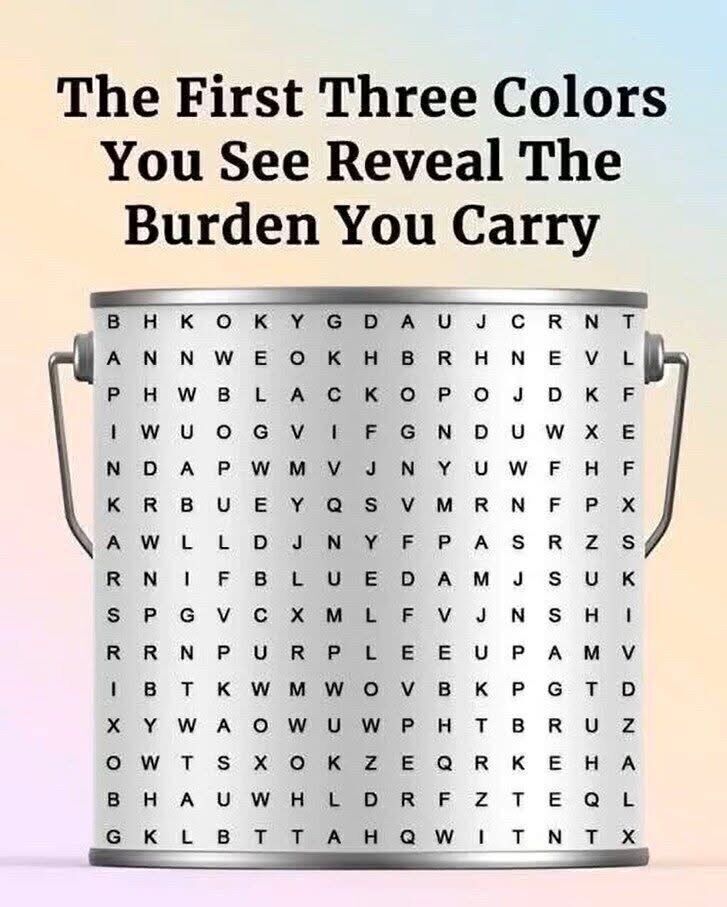
Colors possess a unique power—one that transcends the limits of language. They speak directly to the heart and mind, unlocking emotions and memories that we may not even be fully aware of. While words can often obscure our feelings or fail to express the depth of our experiences, colors have an uncanny ability to bypass logic and reach straight to the soul. They stir feelings that we may have long buried, evoking responses that come not from reasoning but from something much deeper within us. The colors we are instinctively drawn to, the ones that captivate us or fill us with certain sensations, serve as subtle yet profound clues to our emotional state, desires, and inner struggles.
For example, consider the color red. Often associated with passion and vitality, it can speak to an inner fire that drives us forward in life. It represents energy, action, and boldness. Yet, red can also be a sign of deeper emotional currents—perhaps a simmering anger or frustration that has yet to be addressed, or a sense of restlessness that compels us to seek change. In this way, red can be both an energizing force and a reminder of unresolved tensions. Similarly, the color blue often evokes a sense of calm and tranquility, representing peace and emotional stability. But blue also has a quieter side—it can indicate feelings of sadness or loneliness, a longing for connection, or a retreat into solitude to process deeper emotions. The shades of blue we are drawn to can tell stories of inner struggles, moments of grief, or a deep yearning for understanding and harmony.
Purple, a color that blends the calmness of blue with the intensity of red, is often associated with transformation and spiritual growth. It carries an energy of change, renewal, and personal evolution. For some, purple might reflect a period of emotional or spiritual healing, a desire to move forward from past experiences, or an invitation to explore the deeper layers of one’s psyche. It is a color of introspection and enlightenment, of moments when we feel the need to break free from old patterns and embrace new ways of being.
The fascinating thing about color is that it doesn’t just speak to us in the present moment—it can also reflect parts of our past that we may have long forgotten or chosen to suppress. The colors we choose, often without conscious thought, act as mirrors to our emotional lives. They provide a visual expression of feelings we might not have the words for, communicating aspects of ourselves that we live with every day but may not always acknowledge.
Our relationship with color is far from random. It is deeply influenced by both the hard-wired processes of our brain and the cultural environments in which we are raised. On a biological level, colors stimulate specific areas of the brain that are responsible for regulating mood, triggering memory recall, and processing emotions. This means that when we see a particular color, our body can react in ways that are instinctive and automatic, often even before we are consciously aware of the emotional impact it may be having on us. For example, the sight of bright yellow can evoke feelings of optimism and energy, while a deep green might make us feel more grounded and centered.
Culturally, colors take on additional layers of meaning, shaped by centuries of symbolism and tradition. The color red, for instance, can symbolize love, passion, and celebration in one culture, while in another, it might represent danger, warning, or aggression. Similarly, the color white is often seen as a symbol of purity, innocence, or new beginnings, but in other parts of the world, it can be associated with mourning and loss. These cultural meanings are not fixed, of course, and can shift over time, but they add another dimension to how we perceive and respond to colors in our environment.
Together, the biological and cultural influences on our perception of color create a rich tapestry of meaning. Color, then, becomes more than just a visual experience—it becomes a deeply personal and psychological one. It tells a story that goes beyond words, expressing emotions, memories, and desires in ways that are often more immediate and visceral than language ever could. Whether consciously or unconsciously, the colors we are drawn to reflect our inner worlds. They help us communicate things we may not have the words for, and they create a connection between our emotional states and the world around us. In this way, color becomes a universal language—one that, when listened to carefully, reveals a great deal about who we are and where we are in life.
As we navigate our daily lives, we may not always be fully aware of the role color plays in our emotional experiences. But when we pause to reflect on the hues that resonate with us most, we begin to understand how deeply intertwined color is with our psychological and emotional states. From the fiery intensity of red to the soothing calm of blue, and the transformative energy of purple, each color carries with it a unique message. By paying attention to the colors we gravitate toward, we can learn to better understand ourselves—our desires, fears, and hidden longings. Ultimately, color offers us a way to connect more deeply with our own inner landscapes, providing insight into the emotions and experiences that shape who we are.
In the end, colors are more than just visual stimuli; they are windows into our souls, revealing our deepest feelings, struggles, and triumphs. Whether we are drawn to bold, vibrant colors or soft, muted tones, they have the power to communicate with us in a way that words alone cannot. And when we listen carefully, we can begin to decode the messages they offer, gaining a greater understanding of our emotional lives and the journey we are on.