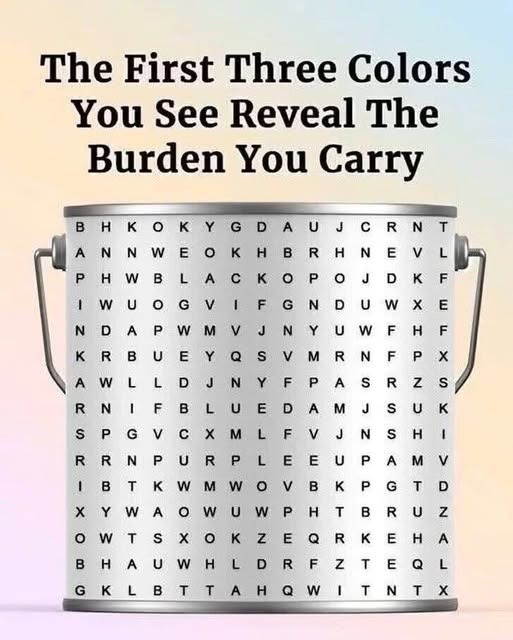
In the grand, silent theater of human experience, communication often extends beyond spoken words. Long before we articulate our intentions or describe our emotional states, we speak a visual language that bypasses the rational mind and strikes directly at the heart. This language is color. We often dismiss our relationship with color as a mere “aesthetic preference”—a simple matter of liking one shade over another—but the reality is far deeper. Our connection to color is a dynamic, shifting mirror reflecting our inner landscapes, subconscious desires, and psychological transitions as we move through the seasons of life. Color does not merely decorate our world; it narrates our soul.
To understand the weight of this silent dialogue, one must recognize that the brain’s response to color is almost entirely automatic. Biologically, light enters the eye and triggers a cascade of neurochemical responses that affect our heart rate, body temperature, and immediate mood. But the psychological layer is where the true narrative lies. Consider the instinctive pull toward red. As a primary color of high intensity, red is a universal signal of energy, passion, and survival. It is the color of the blood that sustains us and the fire that warms us. When we find ourselves suddenly drawn to a bold crimson or deep scarlet, it is rarely accidental. Often, it is a subconscious reach for intensity during a period of emotional exhaustion. Red empowers the weary but can also serve as a channel for restlessness or suppressed anger. It is the color of the “now,” demanding attention and signaling a desire to be seen and felt in a world that sometimes feels gray and indifferent.
By contrast, a pull toward blue suggests a vastly different internal climate. Blue is the color of the horizon, the expansive sea, and the open sky. Psychologically, it is linked to the idea of “cooling down.” When our lives are cluttered with noise and friction, blue acts as a cognitive balm, inviting peace, clarity, and a sense of order. Yet even this calming shade has its shadow. A sudden reliance on deep navy or icy blues may indicate a period of emotional distancing. It can signal a need for protective isolation or a creeping sense of loneliness. In the grammar of color, blue is the exhale after a stressful day—but linger too long, and it can become the silence of a room where no one speaks.
As we move through the transformative cycles of our lives—through breakups, career shifts, or the quiet grief of new beginnings—our palettes often shift in step with our psyche. Purple, for instance, frequently emerges during these periods of transition. Traditionally associated with mystery and the esoteric, purple occupies the space between the stability of blue and the energy of red. It is the color of transformation and introspection. When someone finds themselves repainting a room in shades of plum or reaching for a violet sweater, they are often navigating a “threshold” moment. Purple is the color of the seeker, symbolizing movement toward renewal and integration of a new identity. It suggests that a person is no longer who they were but has not yet fully become who they will be.
The cultural layer of color adds another dimension of depth to these personal choices. In one society, white may symbolize purity, beginnings, and the pristine canvas of a new life. In another, it is the stark, chilling color of mourning and finality. Similarly, while bright orange may signify joy and creativity in some contexts, in others it can signal warning or danger. We do not choose colors in a vacuum; we choose them within the framework of our histories and environments. A black hoodie is never just a garment; for some, it is a shield of invisibility and protection, a way to move through the world unseen. For others, it is a statement of elegance and authority. A burnt-orange sweater on a crisp autumn day is an attempt to harmonize with the dying light of the season, a way to anchor oneself to nature’s cycle during a transitional time.
Perhaps most telling are the colors we consciously or subconsciously avoid. Refusing to engage with a particular hue is often as informative as craving another. A person who avoids red may have a deep discomfort with intensity or confrontation, preferring the muted safety of the middle ground. Someone who avoids white might be shielding themselves from the vulnerability of a “fresh start” or from the coldness of perfection. Our aversions mark the borders of our emotional comfort zones—the places we are not yet ready to explore.
In 2026, as awareness grows about the influence of our surroundings on mental well-being, the concept of “color hygiene” is moving from the fringes into the mainstream. We are beginning to understand that sage green on our bedroom walls is not just a trend; it is a functional tool for healing and nervous system regulation. Choosing a specific color to wear to a high-stakes meeting is not just fashion—it is psychological armor. Color is a tool of agency. It allows us to modulate our internal frequency and project a particular version of ourselves, even when words fail to capture how we feel.
Next time you feel drawn to a particular shade in a store or a sunset, pause. That attraction is data from your subconscious—a signal of a need for comfort, power, peace, or change. The colors that surround us are subtitles to our lives, giving context and emotional depth to our daily actions. They speak when we cannot, and they know our secrets long before we are ready to confess them to ourselves. By learning to read this chromatic mirror, we gain a deeper, more empathetic understanding of our shifting moods and the intricate machinery of the human mind. Color is not just what we see; it is how we experience the world.