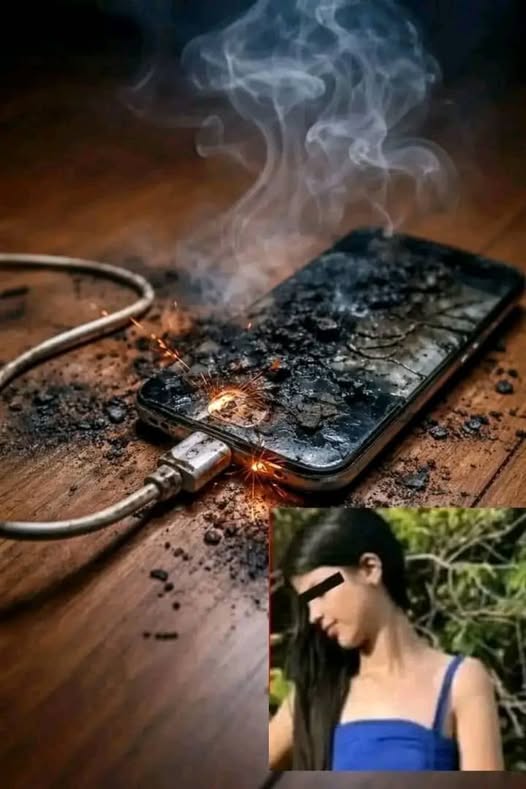
We plug in our devices every night, often just inches from our pillows, rarely giving a second thought to the potential danger. Smartphones, tablets, and laptops have become extensions of ourselves, but the very tools we use to power them—charging cables and wall adapters—can hide serious risks. While electricity flows seamlessly in our modern world, an increasing number of household fires and high-voltage accidents are being traced to a surprisingly simple cause: improper charging habits. What seems like a minor convenience—using a frayed cord or a cheap, uncertified charger—can quickly turn into a hazard for your home. It’s time to shed light on the hidden risks in your charging routine and why this everyday task could be far more dangerous than you realize.
Charging a device seems straightforward: electricity flows from the wall outlet to the battery. When everything is in good condition, internal safety chips regulate the current to prevent overheating. But this balance is fragile. One major culprit is the use of counterfeit or uncertified chargers. These low-cost alternatives often lack essential insulation and surge protection. Without these safeguards, even a minor spike in your home’s power supply can turn a cheap charger into a high-heat conductor, melting the casing and igniting nearby flammable materials like bedding or curtains.
The danger doesn’t stop at the plug. The cable itself can be a serious threat. Many of us have used a cord that only works if bent just the right way—this habit is extremely risky. Frayed wires or cracked insulation expose live copper, creating the potential for short circuits or electrical shocks. Combine this with an overloaded power strip—where a single outlet powers a TV, modem, fan, and multiple phones—and you create a “thermal runaway” scenario. In this state, heat builds faster than it can dissipate, and a fire can start in seconds.
Where you charge your device is just as important as the charger itself. Placing phones on soft surfaces—beds, couches, or thick carpets—traps the heat a battery naturally emits during charging. Without proper airflow, the device can overheat, potentially causing battery failure or igniting the fabric beneath it. Experts emphasize charging only on hard, flat surfaces with good ventilation.
Recognizing warning signs is crucial. If a charger becomes excessively hot, emits a burning smell, or shows discoloration, unplug it immediately. Flickering power icons or intermittent charging are not minor annoyances—they indicate a failing connection that could spark at any moment.
Keeping your home safe is straightforward but non-negotiable: always use certified equipment, inspect cables regularly for wear, and never ignore sparks, heat, or unusual odors. While online articles may sensationalize the dangers, the reality of electrical safety comes down to common sense and consistent maintenance. By prioritizing quality over convenience and staying vigilant, you can keep your devices powered without putting your life or home at risk. After all, your safety is worth far more than the cost of a certified charging cable.