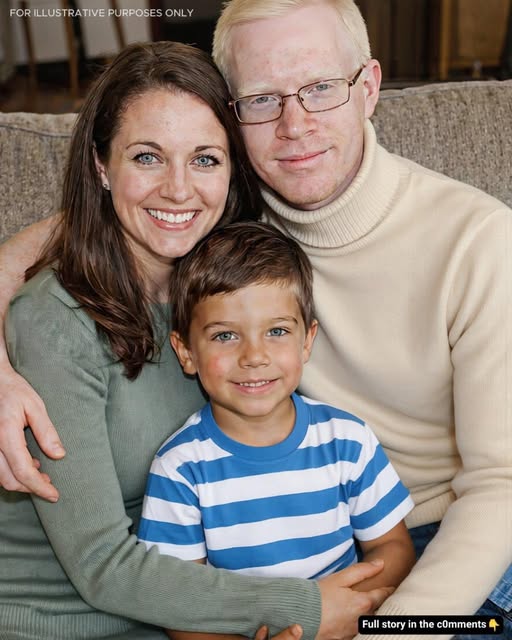
The room froze when the envelope hit the table.
Time seemed to stretch, the seconds thick and heavy, as if the air itself had turned to stone. Five long years of whispered accusations, sharpened smiles hiding knives, and quiet humiliation—all of it had been leading to this precise, unbearable moment. A dying patriarch sat at the head of the table, eyes weary but calculating, feeling the weight of legacy pressing down from every corner of the house. Around him, relatives exchanged glances that carried a thousand unspoken judgments. And in the midst of it all, a little boy sat quietly, drawing dinosaurs on a scrap of paper, blissfully unaware of the battle unfolding in his name, while adults calculated, dissected, and plotted with the cold precision of those who mistake blood for loyalty.
The test was supposed to expose me. It was meant to unravel my life, to rip open old insecurities and magnify the doubts Patricia had spent years planting in whispers and sideways glances. But instead, it did something no one had anticipated: it tore the mask off someone else.
Patricia, the woman who had weaponized suspicion as a tool of control, who had spent years treating me as an intruder in every corner of my own life, inspecting my housekeeping, my marriage, and my role as a mother as though every aspect of me required proof—suddenly found herself unmasked. The lab report, cold and absolute, spoke with the clarity of truth. It did not question my son’s place in this family. It did not undermine the bond that had been forged through years of love, patience, and shared life. No—it questioned hers. The man she had tried to use as leverage, the husband she had claimed to be protecting at all costs, was not, in fact, the biological father of the child he had raised alongside her.
The silence that followed was deafening. It was the kind of silence that stretches across a room and magnifies every heartbeat, every shift of weight, every shallow breath. In that shattering quiet, where tension might have destroyed us, something unexpected happened instead: clarity. And with clarity came choice.
Robert, the man whose steadiness and measured presence had been a quiet anchor in the storm of Patricia’s manipulations, chose deliberately, calmly, and without drama. He chose to stand with the people he had loved in practice, not simply the ones his DNA suggested he should claim. He claimed my son, acknowledging the bond forged through countless nights of bedtime stories, scraped knees, and shared triumphs. And in that act, he reclaimed himself—not in arrogance or defiance, but in quiet truth.
The legacy he protected in the end was not a company, not a name, not even the wealth that had driven years of whispered schemes. It was the simple, defiant truth that family is defined not by blood alone, but by presence, by unwavering commitment, by showing up when it matters and continuing to show up, even when the scientific evidence seems to contradict the heart.
In the aftermath, Patricia sat frozen, the years of her control slipping through her fingers like sand. The boy, still coloring his dinosaurs, looked up at the adults with wide eyes, sensing the shift even if he could not yet name it. And in that room, heavy with revelation and the echoes of deceit, a different inheritance emerged—one that no envelope, no lab report, no whispered accusation could ever take away: the inheritance of loyalty, choice, and love that is freely given, fiercely defended, and wholly embraced.
In that moment, I understood something essential: families are not built by tests, claims, or contracts. They are built by those who are willing to be present, to stand, and to love, regardless of the blood on a page. And that truth, finally laid bare, had the power to outshine every lie, every manipulation, and every shadow that had ever threatened to divide us.