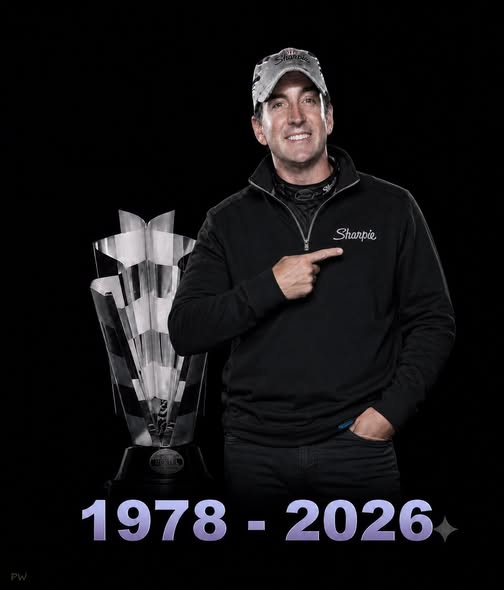
The internet tried to bury Kurt Busch alive. In a matter of hours, a single false claim transformed a living NASCAR legend into a trending “RIP” story. Fans panicked. Posts multiplied. Messages of grief spread across social media as people mourned a man who was never gone—still breathing, still fighting, and still very much alive. What began as one reckless claim quickly became a lesson in how easily misinformation can outrun the truth, especially when a famous name and a shocking headline are involved.
Kurt Busch is not dead, but the rumor that he had died spread like gasoline across a hot racetrack. One post, seemingly stripped of verification but written with absolute certainty, declared that the 2004 NASCAR Cup Series champion had died at 47. Within a short time, the claim had gathered momentum, with fans sharing it before checking whether it was true. Shock turned into viral activity, and people began posting tributes to someone who had never stopped living. The speed of the rumor demonstrated how quickly social media can transform an unverified statement into something that appears credible simply because thousands of people are repeating it.
Buried beneath the chaos was the real story of Busch himself. He is a living, complicated, and resilient figure who endured a serious 2022 crash that dramatically changed the direction of his racing career. Rather than continuing full-time competition, he ultimately stepped away from that demanding schedule and began focusing on other aspects of his life and his connection to NASCAR. Leaving full-time racing was never the same thing as leaving the sport—or life itself. Yet the false report reduced all of those years, achievements, struggles, and choices to a single fabricated announcement of his death.
The consequences of the rumor were real even though the claim was false. Friends and supporters suddenly had to respond to frantic messages from people asking whether Busch was actually gone. Fans returned to old race footage and photographs, looking at moments from his career as though they were watching a tribute video. Highlights that once represented competition and victory suddenly became emotional reminders of a career people feared had ended permanently. Meanwhile, the person at the center of the rumor remained alive, watching his name circulate in a story that had never happened.
Busch’s career has already given NASCAR fans plenty of memorable chapters. As the 2004 NASCAR Cup Series champion, he established himself as one of the sport’s most recognizable competitors. His career included victories, rivalries, difficult moments, and the physical demands that come with professional stock-car racing. His decision to step away from full-time competition following the 2022 crash was a major transition, but it did not erase his connection to the racing world. He remained involved with the sport and continued to have a presence beyond simply climbing behind the wheel every weekend.
The false death report also highlights a larger problem with the way information travels online. A dramatic headline can spread far faster than a correction, especially when people react emotionally before checking the source. Once a rumor begins circulating, each new share can make it appear more legitimate, even when nobody has verified the original claim. By the time reliable information catches up, thousands or even millions of people may already believe something that was never true.
At the center of this particular storm stands Kurt Busch himself—alive, still connected to NASCAR, and still shaping the sport in ways that do not depend on racing every weekend. For a brief moment, the internet attempted to turn his living legacy into a memorial. The truth, however, is much simpler: **Kurt Busch is alive.** The rumor was false, and the story should never have existed in the first place.
The lesson is more complicated. Before sharing a shocking death announcement, especially involving someone famous, verify it through reliable sources. A few seconds of checking can prevent thousands of people from experiencing unnecessary fear and grief. In Busch’s case, the internet did not witness the death of a racing legend. It witnessed something else—the frightening speed at which a lie can travel when people mistake virality for truth.