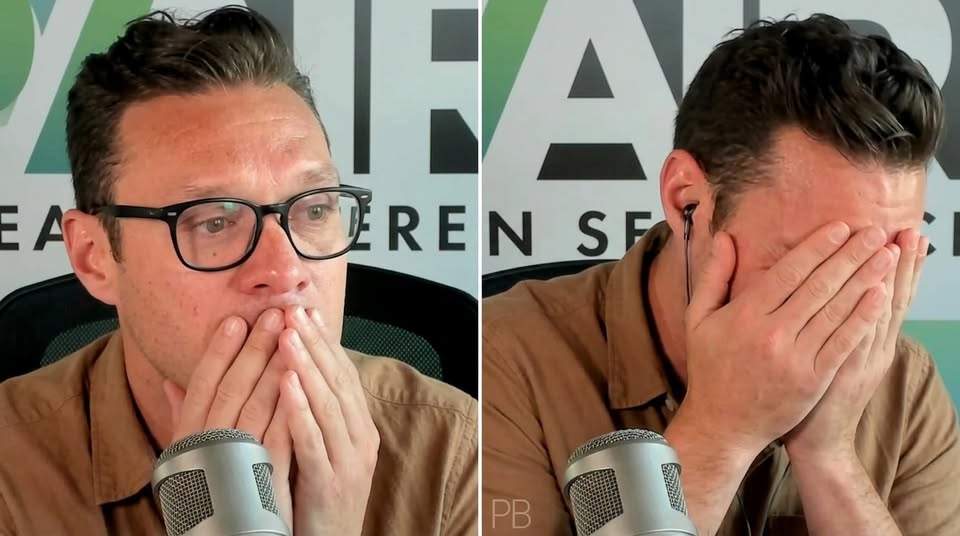
Ryan Seacrest’s voice broke before the truth did. The always-composed host, known for keeping his emotions carefully under control, suddenly struggled to hold it together as he spoke about something far more personal than anything usually discussed on television or radio. For years, he had been carrying the weight of his father Gary’s brutal fight with cancer—the chemotherapy, the pneumonia, the frightening stay in intensive care, and the long months when an ordinary life seemed to disappear behind hospital doors. Then came one simple birthday conversation, and a few quiet words from his father that broke through every layer of Ryan’s composure.
Ryan Seacrest’s confession stripped away the glossy, always-smiling image that millions of viewers have come to associate with him. Away from the cameras and entertainment headlines, he was dealing with the same fear and helplessness that countless families experience when someone they love becomes seriously ill. On his radio show, Ryan described how his father Gary’s prostate cancer, which had once been managed, eventually became relentless. Despite rounds of treatment, the disease continued to progress, forcing the family to confront an increasingly uncertain future.
The treatments themselves became another painful part of the story. Chemotherapy was intended to help fight the cancer, but it left Gary’s body severely weakened. His immune system and overall strength were compromised, making him vulnerable to other serious complications. Eventually, pneumonia struck, turning an already difficult battle into an even more frightening medical crisis.
Gary was admitted to intensive care, and suddenly the family’s attention narrowed to one overwhelming priority: getting him through the next day. The ordinary routines that had once seemed insignificant became precious. Instead of focusing on birthdays, plans, travel, or everyday activities, the family was forced to think about hospital rooms, medical care, recovery, and whether Gary would be strong enough to return home.
For four long months, Gary’s world became dramatically smaller. Hospital walls replaced the freedom he had once taken for granted, and even after leaving the hospital, life remained restricted by his weakened condition. At home, he required full-time care simply to get through each day. Things that most people barely think about—standing up, walking across a room, sitting somewhere comfortably, or stepping outside—could suddenly become exhausting goals.
As Gary’s 79th birthday approached, Ryan tried to bring some normality back into the situation. He asked his father what he wanted for his birthday, perhaps expecting a familiar answer: a meal, a gift, a visit, or something small that could bring a little happiness to an otherwise difficult period.
Instead, Gary’s answer was painfully simple.
“I just wanna get outta this chair. I just wanna leave this house.”
Those words carried a weight far greater than any expensive birthday present could have. Gary was not asking for something extravagant. He was not dreaming about a vacation or a material gift. He simply wanted the ability to move freely again—to stand up, walk outside, leave the walls of his home, and experience even a small piece of the independence he had lost.
For Ryan, that moment was devastating because it revealed just how much his father’s world had changed. The man who had once represented strength and stability was now measuring his hopes in the smallest possible victories. The desire to walk out of the house had become something worth wishing for.
In that raw moment, Ryan wasn’t a television host, producer, or familiar entertainment personality. He was simply a son watching his father struggle. The cameras, career achievements, and public image suddenly meant very little compared with the reality unfolding inside his family.
His emotional reaction also offered a glimpse into the private pain that often exists behind a public smile. People who appear confident and successful on television can still return home to difficult conversations, frightening diagnoses, and moments when there are no easy answers. Ryan’s experience reminded listeners that fame does not protect someone from the vulnerability that comes with watching a parent suffer.
The story ultimately became less about celebrity and more about family. It was about the quiet heartbreak of seeing someone you love lose pieces of their independence, and about realizing how meaningful the simplest freedoms can become when they are taken away.
Gary’s birthday wish was heartbreaking precisely because it was so ordinary. He wanted to stand. He wanted to walk. He wanted to leave the house. He wanted, even briefly, to feel like himself again.
And for Ryan, hearing his father say those words appears to have been one of those moments that no amount of professional composure could completely contain. Behind the familiar smile was a son carrying fear, love, and hope for his father—and a painful reminder that sometimes the greatest wishes are not the extraordinary ones, but the simple things we once assumed would always be there.