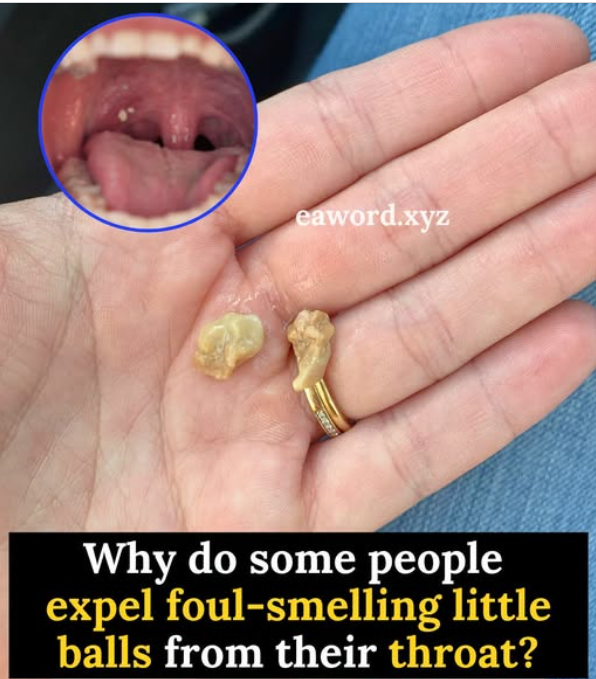
It can happen without any warning. A sudden unpleasant odor, a tiny yellowish or whitish lump that appears after coughing, and an immediate wave of concern about what it might mean. Many people feel too embarrassed to talk about the experience, while others struggle with ongoing bad breath without realizing the source may be hidden in the small crevices of their tonsils. Although the experience can be alarming, it is often caused by a common and generally harmless condition.
In many cases, these small lumps are tonsil stones, also known as tonsilloliths. They develop when particles such as food debris, dead cells, mucus, and bacteria become trapped within natural pockets in the tonsils. Over time, these materials can harden through the buildup of minerals, forming small calcified deposits. People with deeper tonsil crypts or a history of repeated tonsil inflammation may be more likely to develop them, although they can occur in anyone.
While tonsil stones are usually not dangerous, they can cause uncomfortable symptoms. Persistent bad breath is one of the most common complaints because bacteria within the stones produce unpleasant-smelling compounds. Some people also notice a sensation that something is stuck in the back of the throat, mild irritation when swallowing, or occasional coughing that dislodges the stones. Others may have no symptoms at all and discover them only by chance.
Maintaining good oral hygiene can help reduce the likelihood of tonsil stone formation. Brushing the teeth and tongue thoroughly, flossing daily, using an antibacterial mouthwash if recommended by a dental professional, and drinking enough water to keep the mouth hydrated may all help decrease the buildup of debris and bacteria. Regular dental checkups and managing recurrent throat infections can also contribute to better overall oral health.
When a tonsil stone is already present, it may come out naturally during coughing, swallowing, or gentle gargling with warm salt water. Some people use oral irrigators on low pressure, but care should be taken to avoid directing excessive force at the delicate tonsil tissue. Attempting to remove stones with cotton swabs, sharp objects, or other instruments can cause bleeding, infection, or injury and is generally not recommended without medical guidance.
If tonsil stones become frequent, cause significant discomfort, lead to persistent bad breath despite good oral hygiene, or are associated with repeated tonsil infections, it is advisable to consult an ear, nose, and throat (ENT) specialist. They can assess the underlying cause, safely remove troublesome stones when appropriate, and discuss additional treatment options—including tonsillectomy in selected cases where symptoms are severe or recurrent. Most importantly, persistent throat discomfort or ongoing bad breath should not be ignored, as a healthcare professional can help determine the cause and recommend the most appropriate treatment.