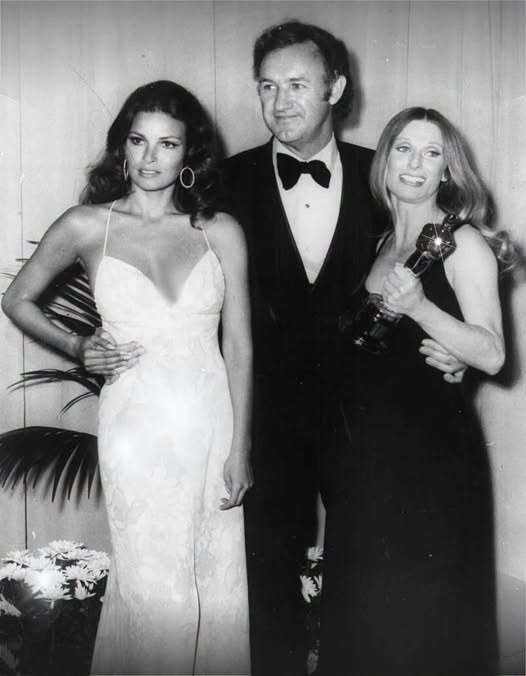
The Academy Awards have long been regarded as one of the most prestigious nights in entertainment, giving audiences around the world a rare opportunity to watch their favorite actors, directors, and performers gather under one roof. Every ceremony creates memorable moments, but the Oscars held in 1972 remain especially unforgettable. More than simply an evening dedicated to handing out awards, the 44th Academy Awards became a celebration of Hollywood at a time when classic glamour and a new generation of filmmaking were meeting on the same stage.
For longtime followers of the Oscars, it’s easy to feel that some ceremonies pass without many truly memorable moments. Although modern broadcasts occasionally produce headlines through unexpected incidents or dramatic speeches, those surprises are relatively uncommon. The 1972 ceremony, however, delivered excitement for entirely different reasons. Rather than controversy dominating the conversation, the evening was remembered for honoring remarkable films, legendary performers, and historic achievements that helped shape the future of cinema.
That year’s nominees represented some of the finest movies ever produced. Among them was **The French Connection**, the crime thriller that redefined the genre through its realistic style, unforgettable action sequences, and groundbreaking direction. The film became one of the night’s biggest winners, while Gene Hackman earned the Academy Award for Best Actor thanks to his powerful portrayal of Detective Jimmy “Popeye” Doyle.
Reflecting on the experience years later, Hackman explained that making **The French Connection** had been unlike anything he had previously experienced. Much of the movie was filmed outdoors during cold winter conditions, forcing both the cast and crew to work in difficult environments. He also credited director William Friedkin for pushing him further than any filmmaker had before, describing the demanding process as one that ultimately strengthened his performance and challenged him as an actor.
Even with the critical acclaim surrounding the film, Hackman admitted he was genuinely surprised when his name was announced as the winner. The moment happened so quickly that he later confessed he barely remembered walking to the stage to accept the Oscar, overwhelmed by both excitement and disbelief.
The competition that year was exceptionally strong. Other acclaimed films nominated for Best Picture included **A Clockwork Orange**, Stanley Kubrick’s provocative adaptation of Anthony Burgess’s novel; **Fiddler on the Roof**, the beloved musical that captivated audiences around the world; and **The Last Picture Show**, Peter Bogdanovich’s emotional coming-of-age drama that quickly became one of the defining films of its era.
By the early 1970s, Hollywood was beginning to transition away from what many consider its classic golden age. Although the industry was changing rapidly, elegance still remained a defining characteristic of the Academy Awards. The ceremony maintained a timeless atmosphere filled with formal gowns, tuxedos, and traditional sophistication while simultaneously embracing changing social attitudes and modern fashion. Actress Jane Fonda became one of the evening’s most talked-about style icons after choosing to wear a fashionable pantsuit rather than a conventional evening gown, reflecting the evolving role of women both within Hollywood and society.
Outside the Los Angeles Music Center, thousands of enthusiastic fans gathered behind barricades hoping to catch a glimpse of their favorite celebrities arriving for the ceremony. At the same time, however, demonstrations were taking place nearby, requiring police officers to maintain order and separate protesters from the arriving guests.
One of the primary demonstrations centered around **Dirty Harry**, Clint Eastwood’s controversial crime film. Although the movie received Academy Award nominations and attracted enormous popularity with audiences, many critics argued that its portrayal of law enforcement glorified excessive police violence. The protests highlighted the growing public debate surrounding the film and demonstrated that the Academy Awards often reflected larger cultural conversations occurring beyond Hollywood itself.
Music also played an unforgettable role during the evening. Isaac Hayes won the Academy Award for Best Original Song for his iconic composition **”Theme from Shaft,”** becoming the first African American to receive an Oscar in that category. His acceptance represented a significant milestone in Academy history and an important moment for diversity within the film industry.
Hayes didn’t stop with simply accepting the award. He also delivered an unforgettable live performance that immediately became one of the ceremony’s defining moments. Wearing chains across his chest while performing shirtless, he brought an energy and confidence rarely seen on the Oscar stage at the time. His appearance stood in sharp contrast to the evening’s traditional elegance and remains one of the most memorable musical performances in Academy Awards history.
Another legendary figure attending that night’s ceremony was actress Betty Grable, making one of her final major public appearances before her passing the following year. Grable had achieved enormous fame during World War II after her famous swimsuit photograph became one of the most recognizable pin-up images in American history. At the height of her career, her legs were reportedly insured for one million dollars, becoming one of Hollywood’s most famous publicity stories.
Perhaps the evening’s most emotional moment belonged to Charlie Chaplin. At eighty-two years old, the legendary filmmaker stepped onto the stage carrying his signature cane while wearing his iconic derby hat. As soon as he appeared, the audience rose to its feet in a prolonged standing ovation that lasted nearly twelve minutes. The emotional tribute became the longest ovation in Academy Awards history, reflecting the enormous respect and admiration generations of filmmakers and performers held for one of cinema’s greatest pioneers.
The ceremony also created memorable encounters between Hollywood legends from different generations. Established stars such as Jane Russell, Macdonald Carey, and Jane Powell shared the spotlight with younger talents including Jane Fonda, Jack Nicholson, Gene Hackman, Cloris Leachman, and Raquel Welch. The evening beautifully illustrated a changing industry, where the icons of classic Hollywood stood alongside the performers who would define the decades to come.
Looking back today, the 44th Academy Awards represent much more than another awards ceremony. They captured a unique moment in film history when tradition and innovation existed side by side, honoring timeless legends while celebrating a new wave of groundbreaking cinema. Although the entertainment industry has changed dramatically since then, the 1972 Oscars remain a fascinating reminder of an era filled with remarkable performances, unforgettable personalities, and moments that continue to inspire movie lovers around the world decades later.