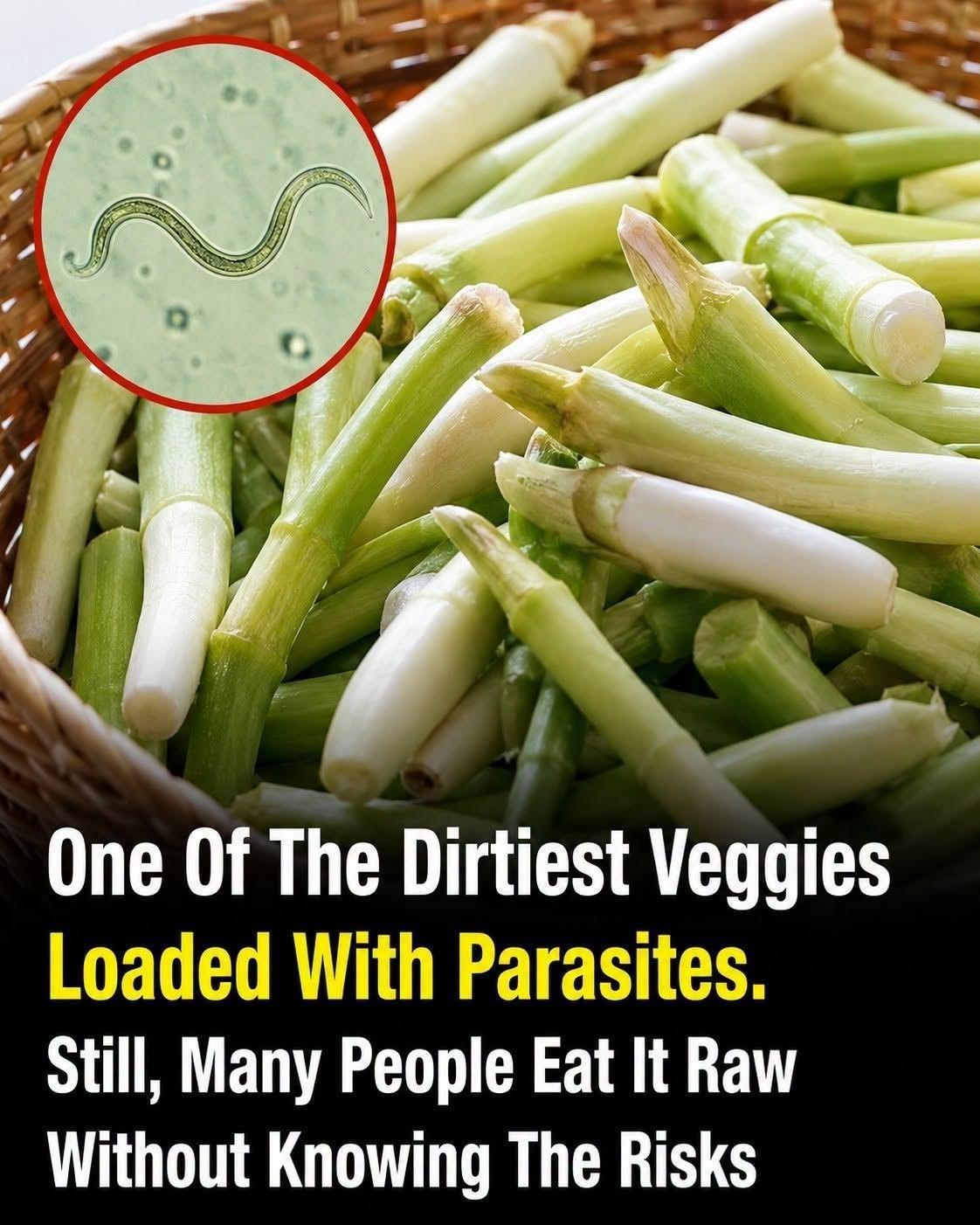
You reach for a handful of fresh green onions, ready to sprinkle them over a steaming bowl of soup, fold them into an omelet, or add a burst of flavor to your favorite salad. Their crisp texture and mild onion taste make them a staple in kitchens around the world, and most people never give them a second thought. But like many fresh vegetables, green onions can occasionally carry harmful bacteria if they become contaminated during growing, harvesting, processing, or handling. The good news is that you don’t need to stop eating them—you simply need to know how to prepare them safely. A few simple habits in the kitchen can dramatically reduce the risk of foodborne illness while allowing you to continue enjoying all the flavor and nutrition they provide.
Known as green onions, scallions, or spring onions, these versatile vegetables appear in countless cuisines. They add freshness to ramen, stir-fries, tacos, baked potatoes, salads, noodle dishes, and dips, bringing both flavor and color to every meal. Beyond their culinary appeal, they are naturally low in calories while providing valuable nutrients, including vitamin K, vitamin C, folate, and dietary fiber. These nutrients contribute to healthy bones, support normal immune function, and play important roles in overall health. Their nutritional value makes them an excellent addition to a balanced diet, which is why food safety experts focus on proper preparation rather than avoiding them altogether.
Like other fresh produce, green onions begin their journey in fields where they are exposed to the natural environment. Because part of the plant grows beneath or very close to the soil, it can come into contact with dirt, irrigation water, fertilizers, wildlife, insects, and farming equipment throughout the growing season. While farms follow food safety practices to reduce contamination, no agricultural system can eliminate every potential source of bacteria. Occasionally, harmful microorganisms such as *Salmonella*, *Escherichia coli* (*E. coli*), or *Listeria monocytogenes* may contaminate fresh produce before it reaches grocery stores.
The path from the farm to your kitchen involves many additional steps, including harvesting, transportation, packaging, storage, and retail display. At each stage, careful handling is essential to minimize contamination. Fresh vegetables pass through numerous hands and surfaces before they arrive in your shopping cart, which is why food safety agencies consistently recommend washing produce before consumption, even when it appears perfectly clean. Although the overall risk for any individual bunch of green onions is generally low, occasional outbreaks linked to contaminated produce demonstrate why these precautions remain important.
One reason green onions deserve extra attention is their unique structure. Their long, tightly layered leaves and white bulb can trap tiny particles of soil and debris that may not be visible to the naked eye. Dirt can become lodged where the green leaves meet the white stem, making a quick rinse under running water less effective than many people realize. If contaminants remain trapped inside these natural folds, they may eventually be transferred to cutting boards, knives, or ready-to-eat foods during meal preparation.
Unlike vegetables that are always cooked thoroughly before serving, green onions are frequently eaten raw. They are commonly sliced directly onto finished dishes, mixed into fresh salads, or used as garnishes after cooking is complete. Because raw vegetables do not undergo the high temperatures that destroy most harmful bacteria, any contamination present before preparation may remain unless proper washing and food handling practices are followed. Fortunately, the likelihood of illness can be greatly reduced through careful cleaning and good kitchen hygiene.
For most healthy adults, foodborne illnesses caused by bacteria such as *Salmonella* or *E. coli* result in symptoms that resolve within several days, although the experience can still be extremely unpleasant. Common symptoms may include nausea, vomiting, diarrhea, abdominal cramps, and fever. However, certain groups—including young children, older adults, pregnant women, and individuals with weakened immune systems—face a higher risk of serious complications from these infections. This is why public health experts emphasize prevention as the most effective strategy.
Preparing green onions safely begins before the knife ever touches the cutting board. Start by removing any wilted, damaged, or discolored outer leaves, since these are more likely to contain dirt and bacteria. Trim off the roots, which often retain soil from harvesting, and inspect the white base carefully for trapped debris. Instead of relying on a brief rinse, separate the leaves slightly and wash the entire bunch thoroughly under cool running water while gently rubbing the surfaces with clean hands. If visible dirt remains, placing the onions in a bowl of clean water and gently agitating them before giving them a final rinse can help remove stubborn particles hidden between the layers.
If your recipe allows, cooking green onions provides an additional layer of protection. High temperatures destroy most disease-causing bacteria, making cooked dishes such as soups, stir-fries, casseroles, omelets, and sauces even safer for consumption. While cooking is not necessary for every recipe, it can be especially reassuring when preparing meals for people who belong to higher-risk groups.
Equally important is preventing cross-contamination inside the kitchen. Freshly washed vegetables can quickly become contaminated again if they come into contact with surfaces or utensils that have recently touched raw meat, poultry, seafood, or their juices. Cutting boards, knives, countertops, and even kitchen towels can all transfer harmful microorganisms if they are not cleaned properly. Using separate cutting boards for raw meat and fresh produce is one of the simplest and most effective ways to reduce this risk. Washing utensils and food preparation surfaces thoroughly with hot, soapy water after handling raw animal products also plays a critical role in food safety.
Hand hygiene should never be overlooked. Washing your hands with soap and running water for at least 20 seconds before and after handling fresh produce, raw meat, or any uncooked ingredients helps prevent bacteria from spreading throughout the kitchen. It is equally important to avoid placing washed vegetables back into sinks, bowls, or containers that previously held unwashed produce unless those surfaces have been cleaned first.
Ultimately, green onions remain a nutritious, flavorful, and safe food for the vast majority of people when handled properly. Rather than causing unnecessary concern, occasional reports of contaminated produce serve as reminders that all fresh fruits and vegetables deserve careful preparation. By washing them thoroughly, preventing cross-contamination, practicing good hand hygiene, and cooking them when appropriate, you can continue enjoying their fresh flavor with confidence. Safe food preparation isn’t about fear—it’s about developing simple habits that protect you and your family every time you step into the kitchen.