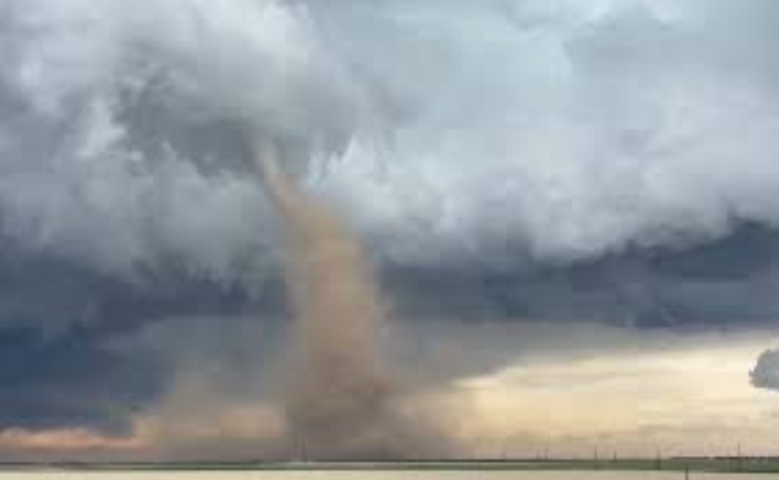
What began as a routine, ordinary day gradually unraveled into an intense, unrelenting test of endurance, resilience, and trust—a test not only of individual strength but of the collective spirit of the community. As the storm tightened its grip on the region, the familiar patterns of daily life quickly dissolved into uncertainty. Skies darkened with a brooding intensity, winds whipped through streets with increasing ferocity, and a deep sense that something far larger than usual was approaching settled over neighborhoods long before the storm reached its peak. The air itself seemed charged with tension, carrying the electric hum of anticipation and fear, a prelude to the chaos about to unfold.
When the power flickered and then failed entirely, and streets began to flood with alarming speed, it became clear that traditional structures—officials, media alerts, and emergency instructions—would not be the first line of support. Instead, people turned to each other, relying on the human networks woven into their communities. Neighbors moved from door to door, checking on the elderly, the disabled, and those living alone. Flashlights were lent, candles were shared, spare batteries became priceless commodities, and meals were offered freely to those whose supplies had been cut off. In the eye of the storm’s chaos, these simple acts of care and compassion gained an extraordinary gravity, reminding everyone that even the smallest gestures could mean survival.
Others braved the tempest directly, navigating sheets of rain and sudden flooding to assist those trying to reach community shelters. Visibility plummeted to near zero, roads were swallowed beneath surging water, and debris turned every journey into a perilous endeavor. Yet people pressed on, driven by instinct, empathy, and an unyielding sense of responsibility. Inside shelters, a different kind of tension dominated. Families huddled together beneath thin blankets, clutching phones as lifelines to the outside world, straining for news and updates that often arrived in frustratingly slow increments. Conversations were hushed, punctuated only by the jagged cracks of thunder and flashes of lightning that illuminated anxious faces and worried expressions.
Time itself seemed to distort during those hours. Seconds between flashes of lightning and peals of thunder were measured with obsessive attention, gauging distance, gauging safety. Children clung tightly to parents, who struggled to maintain composure in the face of fear. Adults whispered reassurances, even when their own hearts pounded with uncertainty. Every distant sound, every tremor of the wind, was scrutinized, interpreted, and feared, yet the shared experience created a bond among those trapped in the storm’s grip.
Beyond the shelters, emergency crews worked tirelessly, undeterred by the worsening conditions. They navigated impassable streets, removed fallen debris, and guided stranded residents toward safety with remarkable coordination. Every siren that cut through the rain and wind was a testament to their unflagging commitment, a reminder that even in the most extreme circumstances, help was actively moving through the chaos, reaching those in need despite the peril.
Meanwhile, meteorologists’ updates became threads of both hope and caution, held onto as tightly as physical lifelines. Each new advisory offered a balance of warning and reassurance—a forecast that the storm would, eventually, weaken, that the winds would relent, and that the deluge would pass. Until that moment arrived, all anyone could do was wait, endure, and continue to rely on one another in ways that were practical, emotional, and profoundly human.
The storm laid bare vulnerabilities across the region: aging infrastructure, unprepared emergency systems, and the fragility of everyday life. Yet it also revealed something far more enduring and inspiring. In the face of fear, uncertainty, and tangible danger, people chose connection over isolation, action over despair. Communities rallied in ways both grand and subtle, refusing to let neighbors face the darkness alone, showing that resilience is as much a product of solidarity as it is of individual strength.
When the winds finally began to ease, and the relentless rain softened into a tentative drizzle, the aftermath was visible in broken branches, flooded streets, and damaged property. But alongside the material scars, there remained a quieter, more profound legacy: the undeniable proof that even in the worst moments, a community can hold itself together, bound by empathy, courage, and shared endurance. It was a testament to the enduring human spirit, a reminder that in the eye of the storm, humanity often shines brightest.