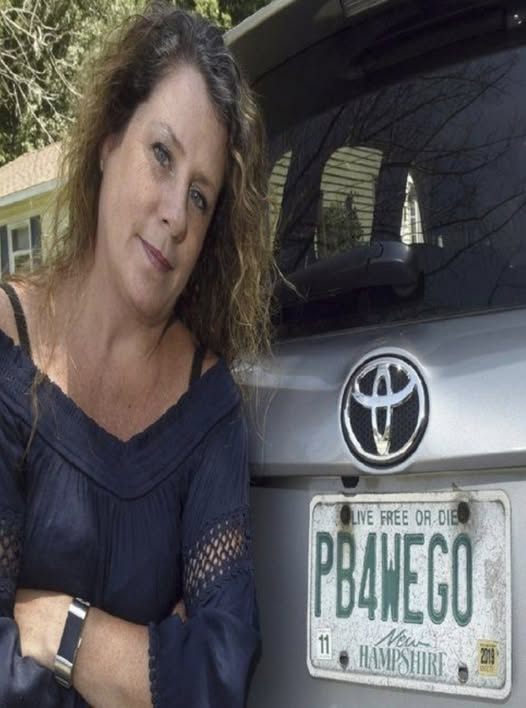
Reading “PB4WEGO” had always been a lighthearted reminder, instantly recognizable to any parent preparing for a long car ride with children. The phrase captured a familiar moment: kids impatiently asking for one last bathroom break before the family sets off on the road. It was the kind of everyday humor that resonated with families everywhere. Children who spotted the plate would often laugh, adults would smile in understanding, and over time the message became more than just a combination of letters—it became a small but meaningful part of her family’s identity and shared story.
For years, the plate traveled highways and neighborhood streets without incident. It sparked friendly conversations in parking lots and knowing nods from other parents at stoplights. To Wendy, it symbolized warmth, relatability, and the universal experiences that connect families. There was never any intention beyond that simple joke. The phrase reflected a routine part of family life, something so common and harmless that it hardly seemed controversial.
But unexpectedly, the New Hampshire Department of Motor Vehicles notified her that the plate violated state guidelines and would no longer be permitted. The sudden reversal came as a shock. After more than a decade without any issues, Wendy was left confused and disappointed by the abrupt change. She struggled to understand how something that had once been approved—and publicly displayed for years—could suddenly be deemed inappropriate. The decision felt not only surprising but also deeply frustrating.
For Wendy, the plate had never been designed to shock, provoke, or offend anyone. It simply reflected everyday humor shared by families across the country. In her view, the interpretation behind it had always been positive and innocent. She believed that most people who read it immediately understood its playful meaning. The idea that it might now be seen differently was difficult for her to reconcile, especially given its long history without complaints.
Losing the plate felt like losing a small but meaningful piece of personal expression. Over the years, it had connected her to countless strangers on the road through shared laughter and recognition. It was a reminder of family road trips, childhood memories, and the small rituals that make those journeys special. Having to surrender it felt symbolic, as though a personal story was being erased without clear justification.
The decision also raised broader questions about how standards are applied and enforced. Why would something approved for over a decade suddenly be reconsidered? What had changed—public perception, policy interpretation, or enforcement priorities? Wendy’s experience highlighted concerns about consistency and transparency in the process. Drivers who invest in personalized plates often assume that once approved, their messages are secure unless they clearly violate established rules.
As the story gained attention, many community members voiced their support for Wendy. They pointed out that the message was widely understood as a playful, family-friendly phrase rather than inappropriate content. Supporters argued that guidelines should be applied consistently and communicated clearly to avoid confusion and frustration. To them, the issue was less about one license plate and more about fairness and predictability in state decisions.
Though the ultimate authority rested with state officials, Wendy’s situation sparked a larger conversation about personalized plates, public interpretation, and the limits of personal expression in shared spaces. It underscored how even small symbols—like a short string of letters on a license plate—can carry personal meaning and emotional weight. Her experience served as a reminder that changes to familiar routines, no matter how minor they may seem, can prompt strong reactions and meaningful public debate.