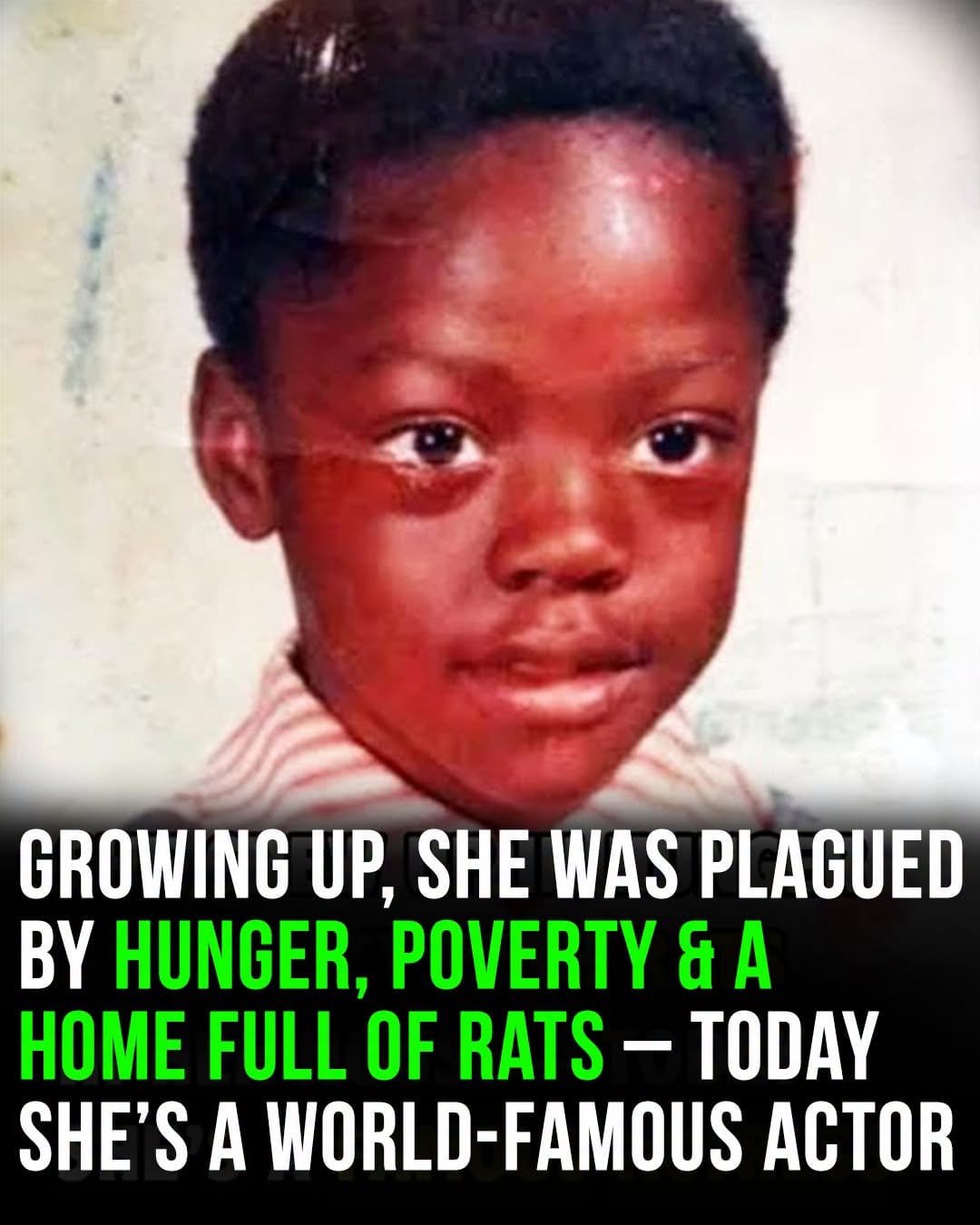
Before the awards, the standing ovations, and the Hollywood spotlight, Viola Davis knew a very different world. It was a world shaped by poverty, hunger, fear, and the constant feeling of being invisible. Long before she became one of the most respected actresses of her generation, she was a little girl growing up in circumstances so difficult that survival often came before dreams. Looking back today, Davis has spoken openly about those painful years, not to invite sympathy, but to remind others that a person’s beginning does not have to determine where their story ends.
Viola Davis was born in South Carolina on the grounds of a former plantation, a place whose history carried the painful legacy of generations before her. Soon after, her family moved to Rhode Island, hoping for better opportunities. Instead, they found themselves living in an apartment building plagued by poverty, violence, and neglect. The building was cold during the winter, rats frequently ran through the rooms, and basic necessities were often difficult to find. Food was scarce, money was almost nonexistent, and every day presented a new challenge for a family simply trying to make it through another week.
As a child, Davis has recalled feeling invisible. She watched adults struggle under enormous burdens while believing that her own future had already been decided for her. Many women around her worked tirelessly in low-paying jobs with little opportunity to escape poverty. For a young girl growing up in those surroundings, imagining a different future often felt impossible. The world seemed to expect very little from children like her, and for a time, she believed those expectations herself.
Home was not always a place of comfort. Davis has spoken candidly about witnessing painful family struggles, hearing arguments behind closed doors, and living with constant uncertainty. The emotional scars of those years remained with her long after childhood ended. While many people saw only another poor family trying to survive, she carried memories that would later become some of the most powerful parts of her life story.
Yet even during those darkest years, something inside her refused to disappear. School became one of the first places where she discovered a different version of herself. Reading stories, performing in class, and exploring theater introduced her to worlds far beyond the neighborhood she knew. For the first time, she realized that storytelling could become more than entertainment. It could become an escape, a voice, and eventually a purpose.
Teachers began recognizing her extraordinary talent. Encouragement that may have seemed small to others became life-changing for a child who had rarely been told she mattered. Every performance built confidence. Every role allowed her to imagine another life. Slowly, the future that once appeared fixed began to open in ways she had never believed possible.
Her determination eventually led her to study acting professionally, including admission to the prestigious Juilliard School, where she refined the remarkable talent that audiences would later come to admire. Success did not arrive overnight. Like countless actors, Davis faced rejection, financial hardship, and years of uncertainty before finally earning roles that showcased the emotional depth she had developed through her own life experiences.
As her career flourished, so did her reputation. Stage performances earned widespread acclaim before television and film introduced her to audiences around the world. Awards followed, including Tony Awards, Emmy Awards, and an Academy Award, making her one of the few performers to achieve the coveted Triple Crown of Acting. Yet despite those extraordinary accomplishments, Davis never attempted to erase the difficult chapters that shaped her journey.
Instead, she chose to speak openly about them. Through interviews, speeches, and her memoir, she has described the realities of childhood poverty, hunger, racism, and emotional trauma with remarkable honesty. She believes that telling uncomfortable truths allows others facing similar struggles to feel less alone. Her willingness to discuss subjects many prefer to avoid has inspired countless people to confront their own pain rather than hide it.
Success also gave Davis opportunities to create the life she once longed for. She has devoted time and resources to fighting childhood hunger, supporting educational programs, and helping families experiencing poverty. One of the most meaningful moments of her life came when she purchased the house where she was born. For many, it was simply an old building. For Davis, it represented reclaiming a history that once symbolized hardship and transforming it into a reminder of how far determination can carry a person.
Perhaps her greatest achievement exists far beyond awards or recognition. She has often spoken about the importance of giving her own daughter the love, security, and encouragement she desperately wanted as a child. In doing so, she has broken cycles that can persist across generations. The frightened little girl who once questioned whether anyone truly saw her grew into a woman determined to ensure another child would never doubt her worth.
Viola Davis’s story is not simply one of fame or professional success. It is a story of resilience, courage, and refusing to accept limitations imposed by circumstance. She reminds us that talent can emerge from places the world often overlooks, and that compassion can grow from experiences many would rather forget. Her journey proves that while we cannot choose where our story begins, we can influence how it continues.
Today, when audiences watch Viola Davis command a stage or screen with extraordinary power, they are witnessing far more than remarkable acting. They are seeing the strength of someone who survived poverty without allowing it to define her, who transformed childhood pain into empathy, and who continues using her voice to shine light on people who too often remain unseen. Her life stands as a powerful reminder that being overlooked is not the same as being defeated, and that even the smallest child carrying the heaviest burdens can one day rewrite the ending of their own story.