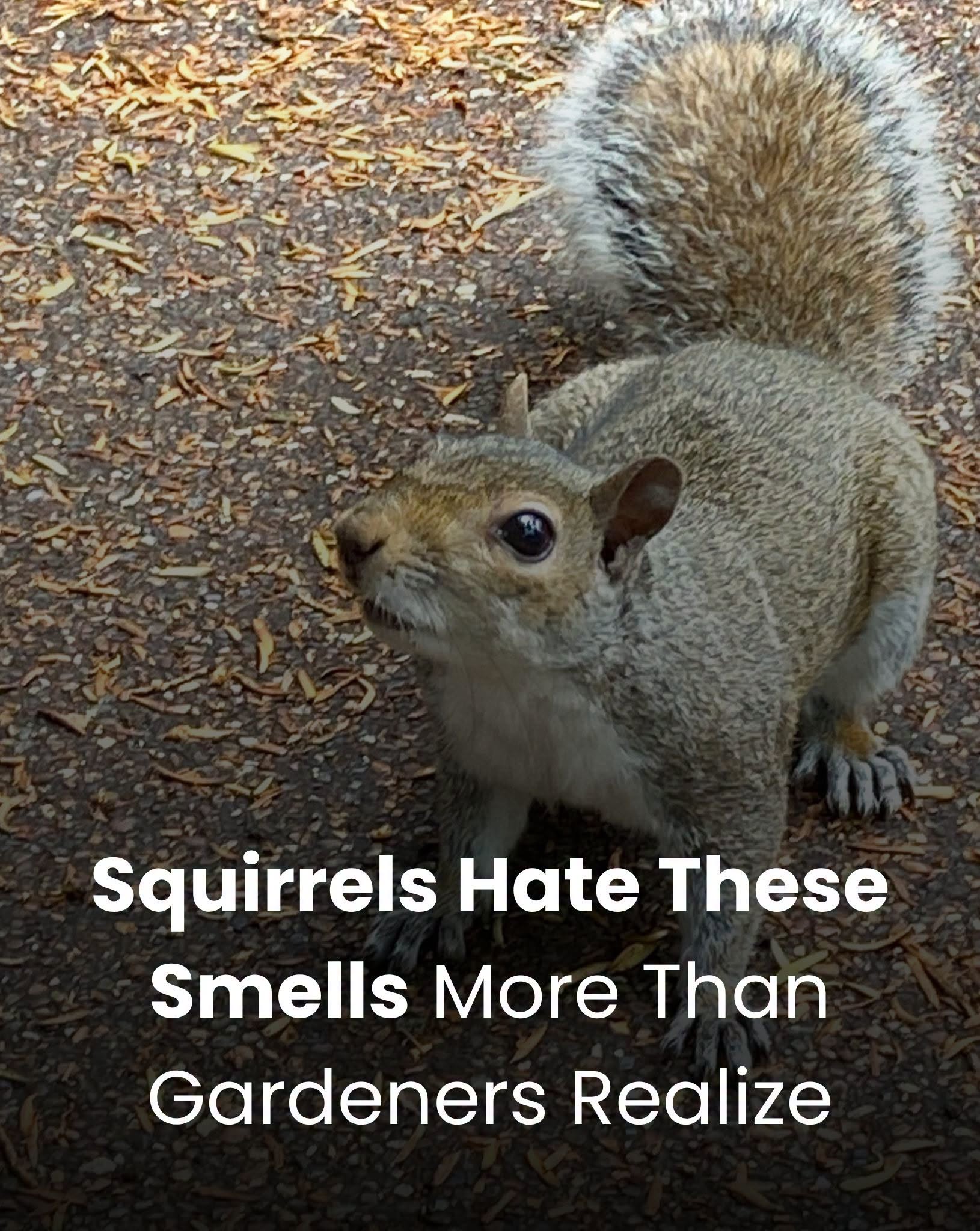
If your garden feels like an endless battle against squirrels and chipmunks, you’re certainly not alone. One day your flowers are blooming beautifully, and the next, freshly planted bulbs have been dug up, vegetables have mysterious bite marks, and bird feeders seem to empty overnight. Many homeowners spend hundreds of dollars on fences, traps, and commercial repellents without realizing that the simplest solution may already be sitting in their kitchen. These tiny animals rely heavily on their powerful sense of smell to locate food and detect danger, making scent one of the most effective and humane ways to keep them away. By using a combination of everyday odors they naturally dislike, you can transform your yard from an irresistible buffet into a place they would rather avoid altogether.
Squirrels and chipmunks experience the world primarily through their noses. Long before they see your tomato plants or hear birds chirping, they are following scent trails that lead them toward food and away from predators. This remarkable sense of smell also happens to be their greatest weakness. Certain aromas overwhelm their sensitive noses, making them uncomfortable enough to search for easier places to forage. Instead of relying on harmful chemicals or dangerous traps, many gardeners have found success simply by creating an environment filled with smells these animals instinctively avoid.
One of the most reliable natural deterrents is peppermint. The strong menthol scent that many people find refreshing is almost unbearable for squirrels and chipmunks. Peppermint essential oil can be placed on cotton balls and positioned around flower beds, vegetable gardens, and entry points where the animals frequently appear. Crushed peppermint leaves from your own garden can also provide a milder but still effective barrier. Because essential oils gradually evaporate, refreshing them every few days helps maintain their effectiveness, especially after rain or heavy watering.
Garlic is another surprisingly powerful repellent. Its intense sulfur compounds linger in the air and soil, creating an unpleasant environment for small rodents. Some gardeners scatter crushed garlic cloves around vulnerable plants, while others mix garlic with water to create a homemade spray that can be applied directly around garden borders. The smell may fade for people after a short time, but squirrels continue detecting it long after humans stop noticing it.
Ordinary white vinegar is another inexpensive option. Soaking small rags or cotton balls in vinegar and placing them around areas where squirrels frequently dig creates a scent barrier that many animals choose to avoid. Since vinegar evaporates quickly outdoors, replacing the soaked materials every few days keeps the protective effect strong. Onions work in a similar way. Fresh onion slices release pungent compounds that discourage curious wildlife, although they should also be replaced regularly as they dry out.
Many gardeners are surprised to learn that used coffee grounds serve a double purpose. Not only do they add nutrients to the soil, but their bitter aroma also discourages squirrels and chipmunks from digging around plants. Simply sprinkle cooled coffee grounds around flower beds, vegetable gardens, or the base of young trees. The scent gradually fades, so fresh applications after rainfall help maintain protection throughout the growing season.
Spicy seasonings can also become valuable garden defenders. Cayenne pepper contains capsaicin, the compound responsible for its heat, which irritates the sensitive noses and mouths of squirrels without causing lasting harm. A light dusting around flower beds or mixed into a homemade garden spray often convinces persistent visitors to look elsewhere. White pepper offers similar results thanks to its sharp, pungent aroma. Although these spices lose strength after rain, regular reapplication creates an effective barrier throughout the season.
Citrus peels offer another pleasant solution for homeowners. Orange, lemon, grapefruit, and lime peels release natural oils that smell fresh to people but overwhelming to many small mammals. Scatter freshly cut peels around garden beds or lightly bury them near bulbs and seedlings. Besides discouraging squirrels, the peels gradually decompose and contribute organic matter back into the soil.
Several essential oils besides peppermint also prove highly effective. Eucalyptus oil produces an intensely medicinal aroma that squirrels dislike, while clove oil delivers a spicy scent that quickly overwhelms their sensitive noses. A few drops placed on cotton balls around planting beds or patios create an invisible but powerful scent barrier. Many gardeners rotate between different essential oils to prevent wildlife from becoming accustomed to any single smell.
Some deterrents work because they imitate danger itself. Commercial predator urine products, commonly made from fox, coyote, or bobcat scent, trigger instinctive survival responses in squirrels and chipmunks. Even without seeing a predator, these animals often interpret the scent as evidence that one is nearby and choose to leave the area. Blood meal, a common organic fertilizer, serves a similar purpose by creating the impression that another animal has recently made a kill nearby. While both methods can be highly effective, they should always be used according to product instructions and kept away from areas where pets frequently play.
Ammonia is another smell many small mammals avoid because it resembles the scent of predator urine. Some gardeners soak rags in diluted ammonia and place them around the edges of sheds, compost piles, or garden beds where animals frequently appear. Care should be taken not to pour ammonia directly onto plants or soil in concentrated amounts, as it may damage vegetation if misused.
Castor oil-based repellents have become increasingly popular because they are widely available and specifically designed to discourage burrowing animals. Mixed with water and sprayed across lawns or gardens, castor oil creates an unpleasant taste and odor without harming wildlife. Repeated applications help maintain its effectiveness throughout the season, particularly after heavy rainfall.
Perhaps one of the most surprising natural repellents is ordinary Irish Spring soap. For reasons not fully understood, many gardeners report excellent results by shaving bars of the strongly scented soap into small pieces and scattering them around planting areas. The fragrance appears unpleasant enough to encourage squirrels and chipmunks to search for food elsewhere. Similar heavily scented soaps may also produce comparable results.
Some older recommendations, such as mothballs, deserve extra caution. Although their strong chemical smell can repel wildlife, mothballs contain ingredients that may be harmful to children, pets, beneficial wildlife, and the environment when used outdoors. Many gardening experts now discourage their use in open gardens and instead recommend safer alternatives like essential oils, spices, or commercial repellents specifically approved for outdoor wildlife management.
The most successful gardeners rarely rely on just one scent. Instead, they combine several deterrents to create an environment that constantly changes. Peppermint near flower beds, coffee grounds around vegetables, citrus peels near bulbs, and cayenne along fence lines create multiple layers of odors that confuse and discourage unwanted visitors. Rotating scents every week or two prevents squirrels and chipmunks from becoming accustomed to any one smell over time.
No scent-based solution lasts forever. Rain, sunlight, wind, and time gradually weaken even the strongest aromas. Refreshing repellents every few days and immediately after heavy rain keeps the protective barrier intact. Combined with simple gardening practices like cleaning fallen birdseed, harvesting ripe produce promptly, and covering vulnerable seedlings with netting, these natural scents become part of a comprehensive strategy that protects your garden without harming wildlife.
With patience and consistency, your garden can once again become a peaceful place where flowers bloom, vegetables thrive, and your hard work remains untouched. Rather than fighting nature with harsh chemicals or dangerous traps, these simple household scents allow you to gently encourage squirrels and chipmunks to move elsewhere. Your plants stay healthy, the animals remain unharmed, and you can finally enjoy the beautiful outdoor space you’ve worked so hard to create.