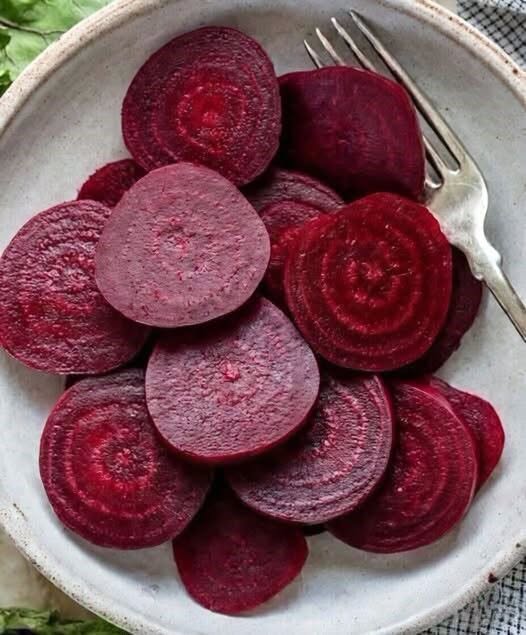
You may have walked past it hundreds of times in the produce aisle without realizing that one of nature’s most impressive nutritional powerhouses was sitting right in front of you. Covered in earthy soil and often overlooked in favor of more fashionable superfoods, the humble beetroot has quietly earned a reputation among nutrition experts for its remarkable health benefits. While many people think of beets as nothing more than a colorful side dish or an ingredient in salads, research continues to highlight their impressive nutritional profile and the positive impact they can have on overall health. From supporting heart function to improving exercise performance and promoting healthy digestion, this vibrant root vegetable offers far more than its bold crimson color suggests.
For generations, beets have been enjoyed in cuisines around the world, but only in recent years have scientists begun to better understand why they have remained a staple in so many traditional diets. Unlike many expensive health supplements or trendy superfoods, beets are affordable, widely available, and packed with naturally occurring nutrients that work together to support multiple systems throughout the body. Rather than relying on a single vitamin or mineral, beets provide an impressive combination of fiber, antioxidants, nitrates, vitamins, and essential minerals that contribute to long-term wellness when included as part of a balanced diet.
One of the most well-known benefits of beetroot comes from its naturally high nitrate content. Although the word “nitrate” often raises concerns because of processed foods, the nitrates found naturally in vegetables behave very differently inside the body. After consumption, these natural compounds are converted into nitric oxide, a molecule that plays a vital role in maintaining healthy blood vessels. Nitric oxide helps relax and widen blood vessels, allowing blood to circulate more efficiently throughout the body. Improved circulation means the heart does not have to work as hard to deliver oxygen and nutrients where they are needed.
This improvement in blood flow has attracted significant attention from athletes and exercise researchers. Numerous studies have suggested that beetroot juice may improve endurance during certain types of physical activity by increasing oxygen efficiency within working muscles. Instead of forcing the body to consume more oxygen during exercise, nitric oxide allows muscles to perform more effectively with the oxygen already available. For runners, cyclists, swimmers, or even individuals who simply enjoy daily walks, this may translate into improved stamina and reduced fatigue during moderate exercise.
The cardiovascular system may also benefit from regular beet consumption. Healthy circulation supports normal blood pressure and helps reduce strain on the heart over time. While beetroot is not a replacement for prescribed medications or medical treatment, some research suggests that diets rich in nitrate-containing vegetables may contribute to maintaining healthy blood pressure levels as part of an overall heart-friendly lifestyle. Combined with regular exercise, limited sodium intake, and other healthy habits, beets can become one small but meaningful part of protecting cardiovascular health.
Another remarkable feature of beetroot lies in its deep red-purple color. That vibrant pigment comes from natural compounds known as betalains, powerful antioxidants that help protect the body’s cells from oxidative stress. Every day, our cells are exposed to unstable molecules called free radicals, which are produced naturally during metabolism and increased by pollution, smoking, poor diet, and chronic stress. When these free radicals accumulate, they may contribute to inflammation and long-term cellular damage. Antioxidants like betalains help neutralize these molecules, supporting the body’s natural defense systems and promoting overall cellular health.
Scientists continue to study the potential anti-inflammatory properties of betalains. Chronic inflammation has been associated with numerous long-term health conditions, including cardiovascular disease, metabolic disorders, and certain forms of arthritis. Although no single food can eliminate inflammation entirely, consuming antioxidant-rich vegetables like beetroot may help support the body’s normal inflammatory response as part of a healthy dietary pattern.
Digestive health is another area where beetroot shines. Modern diets often fall short of recommended fiber intake, leading many people to struggle with constipation or irregular digestion. Beets are naturally rich in dietary fiber, which helps move food through the digestive tract while supporting regular bowel movements. Fiber also contributes to feelings of fullness after meals, which may assist with healthy weight management by reducing unnecessary snacking throughout the day.
The fiber found in beets serves another important purpose by nourishing beneficial bacteria that live inside the intestines. These microorganisms form the gut microbiome, an incredibly complex ecosystem involved in digestion, immune function, and even aspects of mental health. By feeding these beneficial bacteria, fiber acts as a prebiotic, helping maintain a healthy balance within the digestive system. A thriving microbiome has been associated with improved digestion, stronger immune defenses, and better overall well-being.
Beyond fiber and antioxidants, beetroot contains several essential vitamins and minerals needed for everyday health. Folate, also known as vitamin B9, plays an important role in DNA production, cell growth, and the formation of healthy red blood cells. It is particularly important during pregnancy because adequate folate intake supports normal fetal development. Potassium, another important nutrient found in beets, helps regulate muscle contractions, maintain healthy nerve function, and support normal fluid balance throughout the body.
Beets also provide manganese, iron, vitamin C, and small amounts of magnesium, each contributing to numerous biological processes. Iron supports oxygen transport in the bloodstream, while vitamin C assists the immune system and enhances iron absorption from plant-based foods. Together, these nutrients contribute to energy production, tissue repair, and overall metabolic function.
Some people are surprised the first time they eat a generous serving of beetroot because they notice their urine or stool developing a reddish or pink color afterward. This harmless condition, known as beeturia, occurs when natural beet pigments pass through the digestive system without being fully broken down. Although it can appear alarming, especially for those unfamiliar with it, beeturia is generally considered completely harmless and usually disappears within a day or two.
Like many healthy foods, beetroot may not be appropriate in unlimited quantities for everyone. Beets contain naturally occurring oxalates, compounds that may contribute to kidney stone formation in individuals who are particularly susceptible. People with a history of calcium oxalate kidney stones should discuss dietary recommendations with their healthcare provider before significantly increasing beet consumption. Likewise, because beets may contribute to lower blood pressure in some individuals, those already taking medication for low blood pressure should seek medical advice if they plan to consume large amounts regularly.
Fortunately, adding beetroot to your diet is both simple and versatile. Roasting beets enhances their natural sweetness while creating a soft, caramelized texture that pairs well with many meals. Fresh beets can be grated into salads for extra crunch and color or blended into smoothies alongside berries, oranges, apples, or carrots. Pickled beets remain a popular option in many countries, while beetroot can also be incorporated into soups, grain bowls, pasta dishes, vegetable juices, or even baked goods like muffins and chocolate cakes.
Many people who initially dislike beetroot discover they enjoy it when prepared differently. Roasting reduces some of the earthy flavor that raw beets possess, while combining them with citrus fruits, goat cheese, walnuts, or balsamic vinegar creates balanced dishes that appeal to a wide range of tastes. Even those who rarely eat vegetables can often find a preparation method that makes beetroot enjoyable.
Nutrition experts consistently emphasize that no single food is capable of preventing disease or guaranteeing perfect health. Instead, lasting wellness comes from maintaining an overall balanced diet rich in fruits, vegetables, whole grains, lean proteins, healthy fats, and regular physical activity. Within that broader picture, beetroot stands out as one of the most nutrient-dense vegetables available, offering an impressive combination of compounds that support heart health, circulation, digestion, exercise performance, and cellular protection.
Perhaps the greatest lesson beetroot teaches us is that extraordinary nutrition does not have to come from expensive supplements or exotic ingredients imported from distant countries. Sometimes the most valuable foods have been growing quietly in ordinary gardens and grocery stores for centuries. By adding beetroot to your meals on a regular basis, you provide your body with fiber, antioxidants, vitamins, minerals, and natural nitrates that work together to support long-term health. Small dietary changes made consistently over time often produce the greatest benefits, and this vibrant red vegetable is an excellent place to begin.