A quiet afternoon walk through a familiar neighborhood should never end in tragedy. For one 70-year-old California resident, however, an ordinary stroll became a life-changing nightmare in the blink of an eye. What began as a routine outing in San Diego’s Mission Hills neighborhood quickly turned into a devastating accident that left him with catastrophic injuries and an uncertain future. Today, that single moment has sparked a massive $35 million lawsuit, raising difficult questions about public safety, neglected infrastructure, and the responsibility cities have to protect the people who walk their streets every day.
The accident occurred on May 11 as the man was making his way along a neighborhood sidewalk using a mobility aid. Like countless others, he trusted that the public walkway had been properly maintained and was safe to navigate. He had walked through the area before without concern and had no reason to believe danger was waiting only a few steps ahead. Unfortunately, hidden in plain sight was a hazard that should never have remained there—a protruding metal parking meter base that had been left exposed after the parking meter itself had been removed months earlier.
According to the lawsuit, the city failed to remove the metal anchor after taking away the parking meter, leaving the jagged base sticking several inches above the sidewalk. While it may have appeared insignificant to someone walking without difficulty, for pedestrians using wheelchairs, walkers, canes, or mobility devices, the exposed metal created a serious tripping hazard. Residents say the obstacle blended into the surrounding concrete, making it difficult to notice until it was too late.
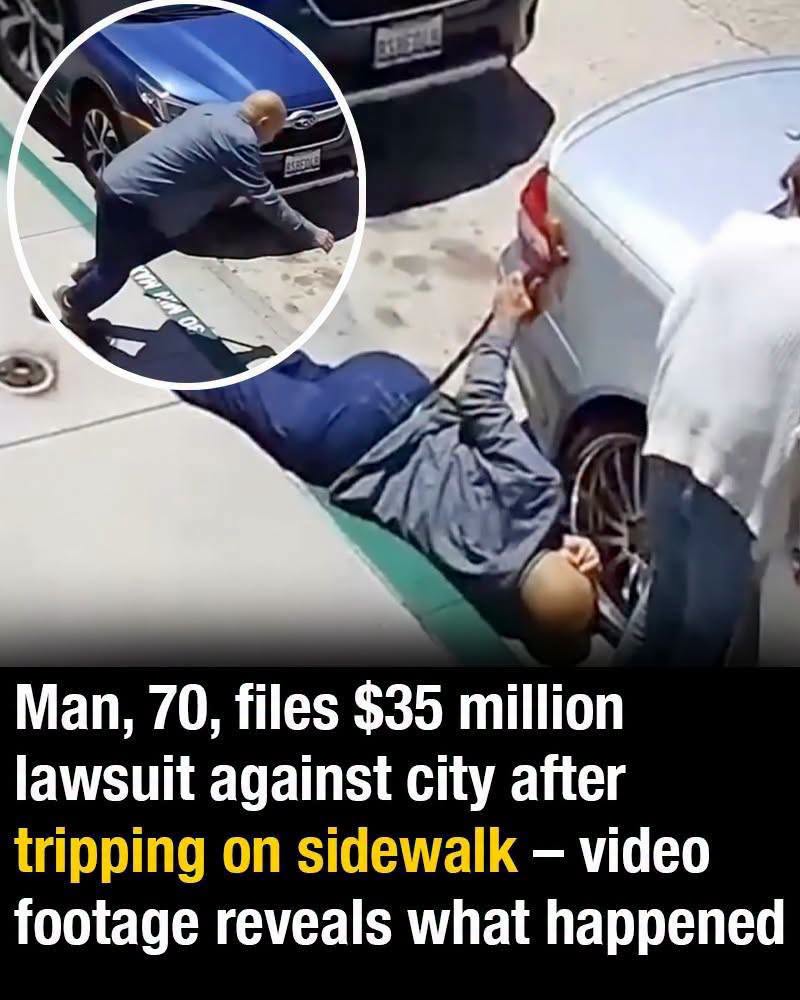
As the elderly man approached the area, one of his feet caught on the exposed metal. Within a fraction of a second, he lost his balance. Unable to recover from the stumble, he fell forward with tremendous force. The impact was violent enough to throw him directly into his own parked vehicle before collapsing onto the pavement. Witnesses later described the scene as horrifying, while nearby businesses immediately contacted emergency services.
Paramedics arrived quickly and transported him to the hospital, where doctors confirmed the severity of his injuries. He had suffered both a broken neck and a fractured spine—injuries that instantly transformed every aspect of his life. What had begun as a simple afternoon walk ended with weeks of hospitalization, painful surgeries, and the realization that his independence had been taken away in an instant.
His attorney, William M. Berman, later explained that the injuries were life-altering. The man now requires continuous medical treatment and extensive rehabilitation. Tasks that once required no thought—getting out of bed, preparing meals, dressing himself, or leaving the house—have become daily challenges requiring assistance from caregivers. Instead of enjoying retirement and maintaining an active lifestyle, he now faces months, if not years, of recovery with no guarantee that he will ever regain the mobility he once had.
One of the strongest pieces of evidence supporting the lawsuit comes from surveillance footage recorded by a nearby business. The video reportedly captures the exact moment of the accident. According to legal filings, the footage clearly shows the mobility aid moving normally before the man’s foot catches on the exposed parking meter base, causing the devastating fall. Attorneys argue that the recording leaves little doubt about what caused the incident and demonstrates that the dangerous obstruction remained in the sidewalk long after its intended purpose had disappeared.
The lawsuit claims that the city neglected its duty to maintain safe public sidewalks. Municipal governments are generally responsible for identifying and correcting hazardous conditions that place residents at risk. Attorneys argue that leaving a protruding metal base exposed for months created an obvious danger, particularly for older adults and individuals with disabilities who rely on accessible walkways to move safely throughout their communities.
Beyond the individual tragedy, the case has sparked broader concerns among Mission Hills residents. Many neighbors say they have repeatedly noticed deteriorating sidewalks, uneven pavement, cracked concrete, tree roots lifting walkways, abandoned utility fixtures, and other obstacles throughout the area. Some believe these maintenance problems have existed for years, with repairs often delayed until someone is seriously injured.
Community advocates say older adults are particularly vulnerable to these hazards. Even a relatively minor fall can lead to broken bones, head injuries, spinal damage, or permanent disability for seniors. For individuals already relying on walkers or canes, unexpected obstacles significantly increase the risk of catastrophic injuries. Disability advocates argue that accessible sidewalks are not simply a convenience—they are essential for allowing everyone to participate safely in daily life.
The lawsuit seeks $35 million in damages, reflecting not only current medical expenses but also future rehabilitation costs, ongoing home care, loss of independence, emotional suffering, and diminished quality of life. Serious spinal injuries often require years of specialized treatment, adaptive equipment, physical therapy, home modifications, and long-term personal assistance. Attorneys argue that these lifelong expenses can quickly reach millions of dollars.
City officials have declined to comment publicly on the pending litigation, citing standard policy regarding active legal matters. As with many civil cases involving municipalities, the claims will ultimately be evaluated through the legal process. Investigators and attorneys will examine maintenance records, inspection reports, city policies, and other evidence to determine whether negligence contributed to the dangerous condition.
Meanwhile, the accident has become a wake-up call for many residents across San Diego. People have begun paying closer attention to the sidewalks they use every day, noticing hazards they previously overlooked. Community members hope the incident encourages faster inspections, better maintenance programs, and quicker removal of abandoned infrastructure before additional accidents occur.
Urban safety experts frequently emphasize that many pedestrian injuries are entirely preventable. Regular inspections, prompt repairs, proper accessibility standards, and timely removal of obsolete structures can dramatically reduce the risk of falls. Small maintenance projects that may seem routine can ultimately prevent devastating injuries and save lives.
For the injured man, however, no repair can erase what happened that afternoon. His daily routine has been permanently altered by a moment that lasted only seconds. Activities he once enjoyed now require planning, assistance, or may no longer be possible at all. While financial compensation may help cover medical care and ongoing rehabilitation, it cannot restore the independence and confidence that disappeared with that single fall.
As the lawsuit moves forward, many people will be watching closely—not only because of the substantial amount being sought, but because of the larger message behind the case. Public sidewalks are used every day by children, seniors, people with disabilities, parents pushing strollers, and countless others who trust that the path beneath their feet is safe. When obvious hazards are left unaddressed, the consequences can be devastating.
Ultimately, this case serves as a powerful reminder that public safety often depends on attention to the smallest details. A forgotten metal fixture, a delayed repair, or a neglected inspection can change someone’s life forever. Whether the lawsuit results in a settlement or proceeds through trial, many hope it encourages cities everywhere to take sidewalk maintenance more seriously. Preventing future tragedies may begin with something as simple as removing hazards before another ordinary walk becomes another family’s lifelong nightmare.