It was supposed to be an ordinary summer outing filled with conversation, laughter, and anticipation. A group of older adults boarded a bus expecting nothing more than a relaxing day trip together. Instead, within moments, that routine journey turned into one of the darkest transportation tragedies the province had ever experienced, leaving families devastated and an entire community searching for answers.
The passengers had set out early that morning, looking forward to spending time with friends and enjoying a day away from home. Many had made similar trips before, never imagining that this familiar route would become their last. The atmosphere on the bus was reportedly cheerful as it traveled along the highway through rural Manitoba.
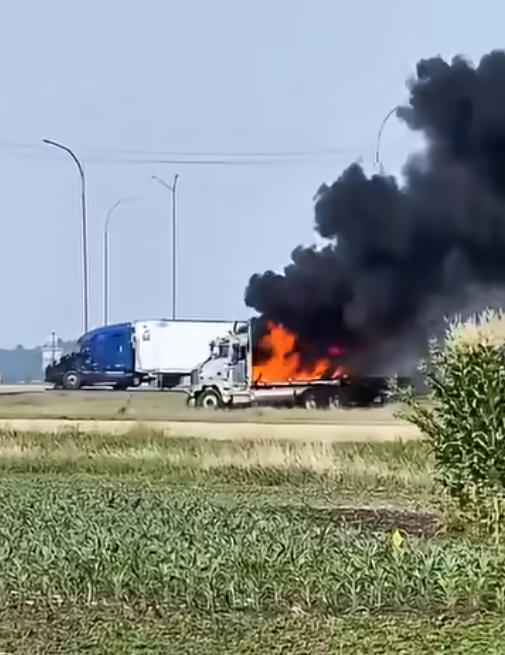
As the vehicle approached an intersection near Carberry, everything changed in an instant. A collision involving the bus and a large truck transformed a peaceful morning into a scene of unimaginable destruction. Witnesses later described hearing the violent impact followed by silence that seemed almost impossible to comprehend.
Drivers traveling nearby immediately stopped to help. Some rushed toward the wreckage while others called emergency services, realizing within seconds that the situation was far more serious than anyone initially believed. Smoke, twisted metal, shattered glass, and scattered debris stretched across the roadway.
Police officers, firefighters, and paramedics responded rapidly, but they were confronted with a disaster unlike anything many of them had experienced during their careers. Every available resource was directed toward rescuing survivors, providing emergency medical care, and securing the crash site.
Survivors later spoke of the terrifying moments following the collision. Some remembered the sound of brakes, others recalled only the sudden impact before everything went dark. Many awoke surrounded by emergency responders, trying to understand what had happened while desperately searching for fellow passengers.
As hospitals prepared to receive the injured, families across Manitoba began experiencing every loved one’s worst nightmare. Phones rang repeatedly without answers. Messages remained unread. Hours passed with unbearable uncertainty as relatives waited desperately for information.
Authorities worked carefully to identify those involved and notify next of kin before releasing official details. Behind every confirmed victim stood a family whose ordinary day had been forever altered by a tragedy they never saw coming.
Investigators immediately began examining every aspect of the collision. Specialists documented the roadway, inspected both vehicles, gathered witness statements, and analyzed physical evidence in an effort to determine exactly how the devastating crash unfolded.
Among the many questions investigators sought to answer were whether visibility, vehicle speed, traffic control devices, or right-of-way played any role in the collision. Modern crash reconstruction requires painstaking analysis, and officials emphasized that drawing conclusions before the investigation is complete would be inappropriate.
While investigators focused on the technical aspects of the crash, communities throughout the province focused on the people whose lives had been affected. Vigils, memorial services, and moments of silence brought neighbors together as they mourned those who never returned home.
Many residents also praised the extraordinary efforts of first responders who worked tirelessly under heartbreaking conditions. Police officers, firefighters, paramedics, hospital staff, and volunteers faced overwhelming emotional and physical challenges while doing everything possible to help those involved.
The tragedy also renewed discussions about highway safety, intersection design, commercial vehicle operations, and measures that might reduce the likelihood of similar disasters in the future. Community leaders emphasized that every serious collision offers important lessons that can help improve road safety for everyone.
Although no investigation can erase the pain experienced by grieving families, understanding exactly what happened remains essential. Accurate findings can help shape future safety improvements while providing answers to those left searching for them.
For the families who lost loved ones, however, no report will ever replace the empty seat at the dinner table or the familiar voice that will never answer the phone again. Their grief extends far beyond statistics or headlines—it is measured in birthdays that will never be celebrated together, holidays forever changed, and memories that now carry immeasurable sorrow.
As Manitoba continues to mourn, the tragedy stands as a powerful reminder that every journey, no matter how routine it seems, carries precious lives. A trip that began with hope and simple plans ended in unimaginable loss, leaving behind not only broken vehicles but broken hearts, united in the determination to remember those who never made it home.