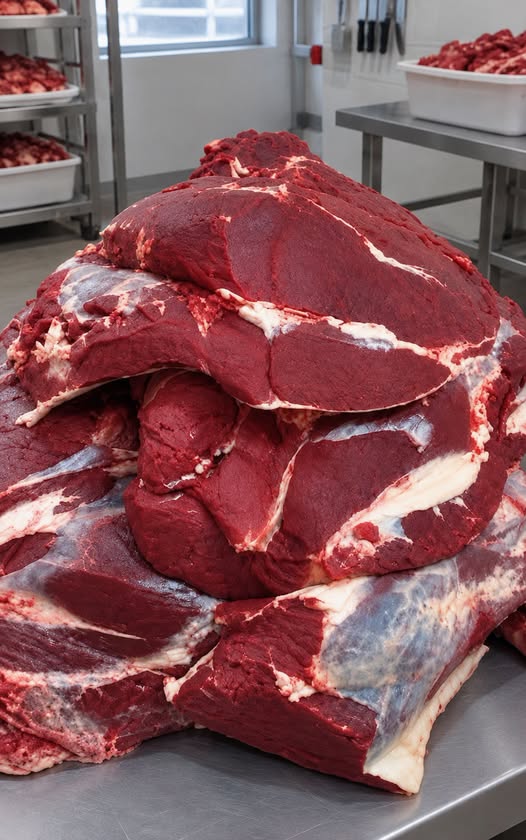
An appealing package is no guarantee of safe meat. Behind a familiar supermarket label, a product may pass through several companies before reaching the refrigerator case, leaving shoppers with questions about where it came from, how it was processed, and what they are ultimately bringing home to their families. Yet an unfamiliar color, texture, or label does not automatically mean something is wrong. Understanding what the packaging can tell you—and what it cannot—can help turn uncertainty into informed decisions rather than unnecessary panic.
Supermarket meat can travel through a complicated supply chain before it reaches the shelf. Depending on the product, that chain may involve farms, processing facilities, distributors, wholesalers, importers, and retailers. Each stage can serve a different purpose, and the company whose name appears most prominently on the package may not be the only business involved in getting the product to the consumer.
That complexity can make the product’s origins difficult to understand from the store’s name or a familiar label alone. A recognizable supermarket brand does not necessarily mean the meat was produced, processed, or packaged entirely by that retailer. At the same time, the involvement of multiple companies does not establish that anything improper has occurred.
Imported meat is also not automatically inferior or unsafe simply because it comes from another country. Food products can be subject to regulatory requirements, inspections, and handling standards depending on where they are produced and sold. The fact that a product has traveled across borders is therefore not, by itself, evidence that the meat is dangerous.
Consumers may sometimes notice differences in color, moisture, firmness, or texture and immediately become concerned. But appearance can change for several ordinary reasons. Packaging conditions, exposure to oxygen, refrigeration, freezing, processing methods, and the particular cut of meat can all influence how a product looks.
For example, meat can appear different depending on how much oxygen reaches its surface and how long it has been packaged. Vacuum-sealed products can look noticeably different from meat displayed in packaging that allows more air exposure. Once opened and exposed to air, its appearance may change again. These visual differences do not automatically indicate spoilage.
The same principle applies to texture. Different cuts naturally have different levels of firmness, fat, connective tissue, and moisture. Processing and packaging can also affect how a product feels when handled. A shopper should therefore avoid using a single visual characteristic as proof that meat is either safe or unsafe.
Quality and food safety are separate issues. A product can look attractive and still require proper handling, while a product that looks slightly different from what a shopper expects may still be safe when properly stored and handled. Neither an attractive appearance nor a familiar brand should replace attention to storage instructions, package condition, dates, and signs of spoilage.
For families, the most useful approach is to focus on practical checks rather than frightening rumors. Start by reading the package carefully. Look for storage instructions, available origin information, dates, preparation guidance, and any other details provided by the manufacturer or retailer.
The condition of the package itself is also important. Avoid products with packaging that is badly damaged, leaking, or otherwise compromised. If a package appears to have been punctured or is leaking liquid into the shopping cart or refrigerator, choosing another package can be a simple precaution.
Temperature control matters as well. Perishable meat should be refrigerated promptly after purchase rather than being left at room temperature for extended periods. During shopping, it can also help to select refrigerated or frozen meat toward the end of the trip so that it spends less time outside proper temperature conditions before returning home.
Once the product reaches the refrigerator, follow the storage instructions on the package. If you are not planning to use the meat within the recommended timeframe, appropriate freezing can help preserve it for later use. Keeping raw meat properly separated from foods that will be eaten without further cooking can also reduce the chance of cross-contamination.
If meat appears suspicious, never taste it as a way of determining whether it is safe. Tasting a questionable food is not a reliable safety test and can expose you to harmful microorganisms if the product is spoiled or contaminated.
Instead, if spoilage is suspected, consider returning the product to the retailer or discarding it according to local guidance. If you are uncertain about a product, the retailer or manufacturer may be able to provide additional information about its handling, packaging, or production.
Keeping the receipt and package information can also be useful. Lot numbers, establishment information, product names, dates, and other identifying details may become important if a recall is announced. Having those details available makes it easier to determine whether a product in your refrigerator is included in an official notice.
Official recall information is particularly important because it is based on specific products, lots, dates, or identified safety concerns rather than general rumors circulating online. A dramatic social media post may make broad claims about an entire category of meat, while an official notice can identify the exact product affected.
Consumers should also be cautious about confusing quality concerns with confirmed safety problems. A package that looks unusual may deserve closer inspection, but that does not mean every similar product from the same store or brand is dangerous. Claims about widespread contamination should be supported by reliable information before they are treated as fact.
When questions arise about a specific product, contacting the retailer or manufacturer can sometimes provide more useful information than relying on anonymous posts. Packaging and supply-chain questions may have straightforward explanations that are impossible to determine from a photograph alone.
There is also value in understanding that food production is a large and interconnected system. Meat may move through several facilities and businesses before reaching the consumer, but that does not mean shoppers are powerless to make informed choices. Reading labels, following storage instructions, checking packaging, and paying attention to official recalls are practical steps within anyone’s control.
The goal is not to make shoppers suspicious of every package they see. Food safety is better approached through evidence and careful handling than through fear. A strange-looking package deserves attention, but it does not automatically deserve a frightening story attached to it.
For families trying to shop confidently, the most important lesson is simple: look beyond the front of the package. Understand the information available on the label, check the physical condition of the product, keep it properly refrigerated or frozen, and pay attention to official safety notices.
A familiar supermarket name can provide a sense of familiarity, but it cannot replace proper food-handling practices. Likewise, an unfamiliar supplier or an imported product is not automatically a warning sign. The important questions are whether the product was handled appropriately, whether the packaging remains intact, whether storage instructions were followed, and whether authorities have issued a relevant recall.
In the end, confidence comes from knowing what evidence actually matters. An attractive package does not guarantee safety, but an unusual appearance does not automatically prove danger either. Between those two extremes is a more useful approach: check the facts, follow safe handling practices, and avoid allowing speculation to replace reliable information.
When uncertainty remains, ask questions rather than guessing. Keep the package details, contact the retailer or manufacturer, and consult official food-safety information when necessary. Clear information—not frightening rumors—is the strongest foundation for making sensible decisions about what you bring home to your family.