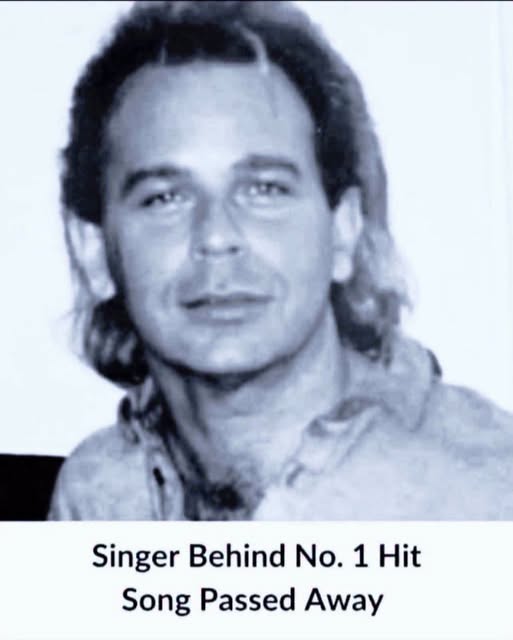
The music world is mourning the loss of a remarkable voice whose unforgettable falsetto helped define an era of American pop music. For generations of fans, Lou Christie represented youthful energy, emotional storytelling, and a distinctive vocal style that immediately set him apart from his contemporaries. His passing marks the end of a career that stretched across decades, leaving behind songs that continue to resonate with listeners around the world.
Born Lugee Alfredo Giovanni Sacco on February 19, 1943, in Glenwillard, Pennsylvania, Lou Christie discovered his passion for music at an early age. Before achieving national recognition, he spent years refining his craft, developing the soaring vocal range that would eventually become his signature. His determination and originality quickly distinguished him in the highly competitive music industry of the early 1960s.
A pivotal chapter in Christie’s career began with his longtime songwriting partner, Twyla Herbert. Together they created songs that blended dramatic storytelling with memorable melodies, producing music that captured the excitement, uncertainty, and emotion of young adulthood. Their partnership resulted in a catalog of recordings that combined inventive songwriting with Christie’s unmistakable vocal style.
His greatest commercial success arrived in 1966 with “Lightning Strikes,” a song that soared to the top of the charts and cemented his place in pop music history. Featuring his extraordinary falsetto and emotionally charged performance, the record became an international hit and remains one of the defining songs of the decade. Other memorable recordings, including “The Gypsy Cried,” “Two Faces Have I,” and “Rhapsody in the Rain,” further established him as one of the most distinctive voices of his generation.
While chart success introduced him to millions of listeners, those who knew Christie personally often described a man whose kindness matched his talent. Fans frequently recalled his willingness to spend time signing autographs, sharing stories, and expressing genuine appreciation for the people who supported his music throughout the decades. Even after the peak of his commercial success, he continued performing, recognizing the lasting connection his songs had created across generations.
As musical trends evolved, Christie remained proud of the body of work he had created. Rather than chasing every new trend, he embraced the legacy of his classic recordings while continuing to perform for loyal audiences who treasured the timeless quality of his music. His concerts became celebrations not only of his career but also of the memories his songs had helped create for countless fans.
Beyond the stage, Christie valued a quieter life centered on family, friendships, and the music that had shaped his journey. Although he stepped away from the constant spotlight in later years, his influence never faded. His recordings continued to appear on classic radio stations, streaming platforms, film soundtracks, and nostalgic playlists, introducing new generations to the remarkable voice that made him famous.
Lou Christie’s legacy extends far beyond chart positions or record sales. He demonstrated that individuality, emotional honesty, and artistic courage could create music capable of lasting for generations. His extraordinary falsetto became instantly recognizable, but it was the sincerity behind every performance that truly connected with audiences.
As fans revisit his recordings, they are reminded that great music never truly disappears. Every note of “Lightning Strikes” and every heartfelt performance stands as a lasting tribute to an artist whose voice helped define a remarkable period in popular music. Though Lou Christie is gone, the songs he shared with the world will continue to preserve his memory, ensuring that his remarkable talent lives on for generations to come.