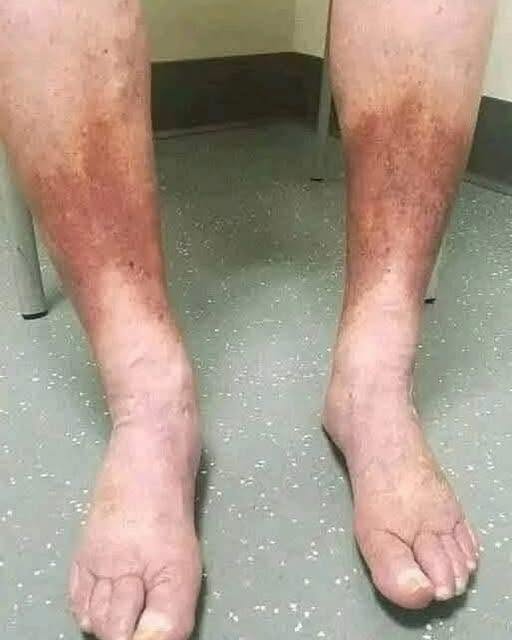
You wake up expecting an ordinary morning, only to discover that your favorite shoes suddenly feel impossibly tight. Looking down, you notice your feet and ankles have become swollen, stretched, and uncomfortable. At first, it seems like a minor inconvenience—perhaps the result of standing too long or yesterday’s busy schedule. But in some cases, swelling in the feet is more than a temporary annoyance. It can be one of the body’s earliest warning signs that something much more serious is happening beneath the surface. Your heart, kidneys, blood vessels, or other vital systems may be signaling that they need attention. Learning to recognize these subtle clues could make a critical difference to your long-term health.
The human body constantly works to maintain a delicate balance between fluids, circulation, and organ function. Every heartbeat, every breath, and every movement contributes to keeping this complex system operating efficiently. When one part of this balance begins to fail, the body often reveals the problem through visible physical changes. Swollen feet and ankles are among the most common of these warning signs. Although many people dismiss puffiness as the result of a tiring day, prolonged standing, or travel, healthcare professionals understand that persistent swelling can reflect much deeper physiological changes that deserve careful evaluation.
The medical term for this swelling is edema. Edema develops when excess fluid escapes from tiny blood vessels, known as capillaries, and collects within surrounding tissues. Because gravity naturally pulls fluid downward, the feet and ankles are often the first places where this buildup becomes noticeable. For many individuals, the swelling is temporary and harmless. Spending hours seated on a long flight, standing throughout an entire work shift, or remaining inactive for long periods can all reduce circulation. The calf muscles normally help pump blood and fluid back toward the heart, but when they remain inactive, fluid begins pooling in the lower legs. The result is tight skin, swollen ankles, and shoes that suddenly feel much smaller than they did earlier in the day.
Lifestyle habits also play an important role in determining how much fluid the body retains. One of the biggest contributors is excessive sodium intake. Salt encourages the body to hold onto water, increasing the amount of fluid circulating through the bloodstream. When sodium consumption becomes too high, the kidneys attempt to maintain balance by retaining additional water, often leading to visible swelling in the lower extremities. Warm weather can produce a similar effect. During hot temperatures, blood vessels naturally widen to help release body heat, but this process also allows more fluid to seep into nearby tissues, creating the familiar puffiness many people experience during summer months.
Not all swelling is caused by circulation or diet. Injury frequently produces localized edema as part of the body’s natural healing response. A twisted ankle, strained ligament, or even a minor impact causes inflammation that draws fluid and immune cells to the damaged area. This protective response cushions the injured tissues while repair begins. In these situations, the source of the swelling is usually obvious. However, when swelling develops without an injury or continues despite adequate rest, elevation, and recovery, it becomes far more concerning and may indicate an underlying medical condition rather than a temporary physical problem.
Persistent edema can sometimes point toward disorders involving the body’s most important organs. Heart disease is one of the leading possibilities. When the heart cannot pump blood efficiently, pressure builds within the veins, forcing fluid into nearby tissues and producing swelling in the feet and ankles. Kidney disease may produce similar symptoms because damaged kidneys lose their ability to remove excess water and sodium effectively. Liver disorders can also contribute by reducing production of albumin, an essential protein that helps keep fluid inside blood vessels. When albumin levels fall, fluid leaks more easily into surrounding tissues, creating noticeable swelling throughout the lower body.
Knowing when swelling requires immediate medical attention is extremely important. One of the most significant warning signs is swelling that affects only one leg or foot. This may indicate Deep Vein Thrombosis (DVT), a blood clot that forms within a deep vein. If part of that clot breaks free and travels to the lungs, it can produce a life-threatening pulmonary embolism. Other concerning symptoms include pitting edema, where pressing on the swollen skin leaves a lasting indentation, as well as redness, warmth, fever, or severe pain that could signal infection. Swelling accompanied by chest pain, difficulty breathing, dizziness, or extreme fatigue should never be ignored, as these symptoms may indicate a serious cardiovascular emergency requiring immediate medical care.
Fortunately, many mild cases of edema respond well to simple lifestyle changes. Elevating the feet above heart level several times each day allows gravity to assist rather than oppose circulation, encouraging accumulated fluid to return toward the body’s central circulation. Regular movement is equally valuable. Even brief walks or simple ankle exercises activate the calf muscles, helping push blood and lymphatic fluid back toward the heart. Compression socks or stockings provide gentle external pressure that limits fluid accumulation while supporting healthy circulation, particularly for individuals who spend long hours standing or sitting.
Preventing recurring swelling often depends on maintaining healthy daily habits. Limiting dietary sodium, drinking adequate water, maintaining a healthy weight, and staying physically active all reduce unnecessary strain on the circulatory system. Individuals whose jobs require prolonged sitting or standing should make a habit of moving every hour to stimulate circulation. Rather than viewing swollen feet as a minor inconvenience, they should be recognized as valuable signals that the body may be asking for attention. Listening to those signals early can help identify problems before they become far more serious, allowing timely treatment and protecting overall health for years to come.