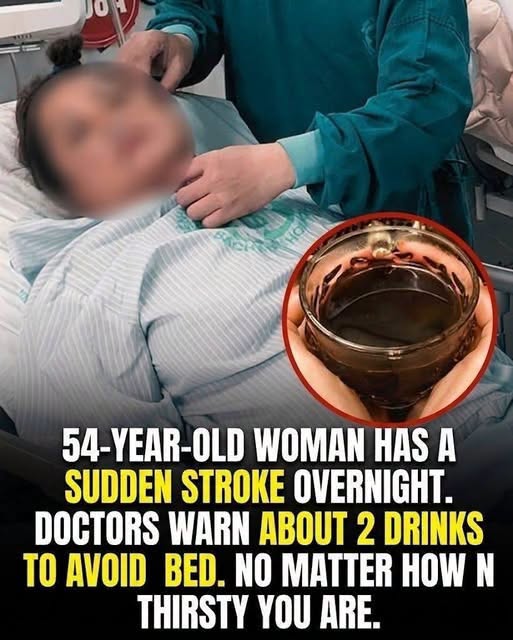
For one seemingly healthy 54-year-old woman, an ordinary evening ended in a way she never could have imagined. She followed the same familiar bedtime routine she had repeated countless times before, believing she was simply preparing for another normal night’s sleep. There was no dramatic warning, no overwhelming pain, and no obvious sign that anything was terribly wrong. Yet sometime during the night, she suffered a devastating stroke that changed her life in an instant. Her story has since sparked difficult conversations among doctors and health experts, raising an unsettling question for millions of people: could some of the habits we barely think about before bed quietly contribute to long-term risks for our heart and brain?
Stroke remains one of the leading causes of death and long-term disability worldwide. Every year, millions of people experience either an ischemic stroke, caused by a blockage in blood flow to the brain, or a hemorrhagic stroke, caused by bleeding inside the brain. Although modern medicine has dramatically improved emergency treatment, the outcome still depends heavily on how quickly symptoms are recognized and how much damage occurs before medical care begins. That is why prevention continues to be one of the most powerful tools available.
Contrary to popular belief, strokes rarely happen because of one single unhealthy decision. Instead, they usually develop after years of multiple risk factors gradually affecting the body’s cardiovascular system. High blood pressure, diabetes, elevated cholesterol, smoking, obesity, lack of exercise, poor sleep, and certain medical conditions slowly weaken blood vessels over time. Daily habits that appear insignificant on their own may eventually contribute to a much larger picture of declining vascular health.
Medical researchers have increasingly focused on nighttime routines because the hours before sleep influence several important biological processes. During sleep, the body works to regulate hormones, repair damaged tissues, balance blood pressure, and restore the cardiovascular system after the physical and emotional demands of the day. When these natural recovery processes are repeatedly interrupted, overall health can gradually suffer.
One area receiving growing attention involves sugary drinks consumed late in the evening. Soft drinks, sweetened teas, flavored coffees, and many popular beverages contain surprisingly large amounts of added sugar. Drinking these regularly before bedtime may contribute to weight gain, insulin resistance, and poor blood sugar control over time. These conditions are well-established risk factors for heart disease and stroke, particularly when combined with other unhealthy lifestyle habits.
Excessive sugar intake also contributes indirectly to elevated blood pressure, one of the strongest predictors of stroke. High blood pressure often develops silently, producing no symptoms for years while gradually damaging the delicate walls of arteries throughout the body. As those blood vessels become less flexible and more vulnerable, the likelihood of blockages or ruptures increases significantly.
Another common nighttime habit involves consuming caffeinated beverages too late in the day. Coffee, certain energy drinks, strong black tea, and even some soft drinks contain enough caffeine to interfere with sleep quality for many people. Even if someone falls asleep without difficulty, caffeine may reduce the amount of deep restorative sleep the body experiences throughout the night.
Poor sleep itself has become an important focus of cardiovascular research. Chronic sleep deprivation or consistently poor-quality sleep has been associated with higher rates of hypertension, obesity, diabetes, irregular heart rhythms, and cardiovascular disease. While enjoying an occasional evening coffee does not automatically cause a stroke, repeatedly disrupting healthy sleep patterns may gradually increase overall health risks for some individuals.
Doctors emphasize that the goal is not to create unnecessary fear around every bedtime beverage. Rather, stories like that of this 54-year-old woman serve as reminders that long-term health is often shaped by hundreds of small daily choices rather than one dramatic event. Healthy habits practiced consistently over many years can significantly influence cardiovascular health later in life.
Equally important is learning to recognize the warning signs of stroke. The body often provides critical signals that should never be ignored. Sudden weakness or numbness affecting one side of the body, difficulty speaking or understanding speech, sudden vision changes, dizziness, loss of coordination, severe unexplained headache, or facial drooping all require immediate emergency medical attention. Every minute matters because brain cells begin dying rapidly when blood flow is interrupted.
Many stroke specialists encourage people to remember the simple acronym FAST. Face drooping, Arm weakness, Speech difficulty, and Time to call emergency services. Acting immediately can dramatically improve the chances of recovery and reduce the likelihood of permanent disability.
Hydration also deserves attention as part of an overall healthy bedtime routine. Choosing water instead of sugary or highly caffeinated beverages may help support better sleep and overall cardiovascular health. Herbal teas that do not contain caffeine are another option many people find relaxing before bed. These simple substitutions may not eliminate stroke risk by themselves, but they contribute to healthier long-term habits.
Experts also encourage individuals to pay attention to their overall lifestyle rather than focusing on any single food or drink. Regular physical activity, maintaining a healthy weight, managing stress, avoiding tobacco products, limiting excessive alcohol consumption, and eating a balanced diet rich in fruits, vegetables, whole grains, and lean proteins all play major roles in protecting both the heart and the brain.
Routine medical checkups remain equally important. Many serious stroke risk factors—including high blood pressure, diabetes, atrial fibrillation, and high cholesterol—can exist for years without causing noticeable symptoms. Regular screening allows these conditions to be detected and treated before they lead to life-threatening complications.
Family history also influences individual risk. People with close relatives who have experienced stroke or cardiovascular disease may benefit from discussing personalized prevention strategies with their healthcare providers. While genetics cannot be changed, many other contributing factors can be effectively managed through lifestyle changes and appropriate medical treatment.
Ultimately, stories like this remind us that protecting brain health rarely depends on one dramatic decision. Instead, it grows out of countless small choices repeated day after day. Paying attention to sleep quality, choosing healthier evening beverages, staying physically active, controlling blood pressure, and responding immediately to warning signs all work together to reduce risk over time. Rather than waiting for a medical emergency to force change, building healthier routines today offers the greatest opportunity to protect the years that lie ahead. Even modest improvements made consistently can strengthen the heart, preserve brain health, and improve both the quality and length of life for years to come.