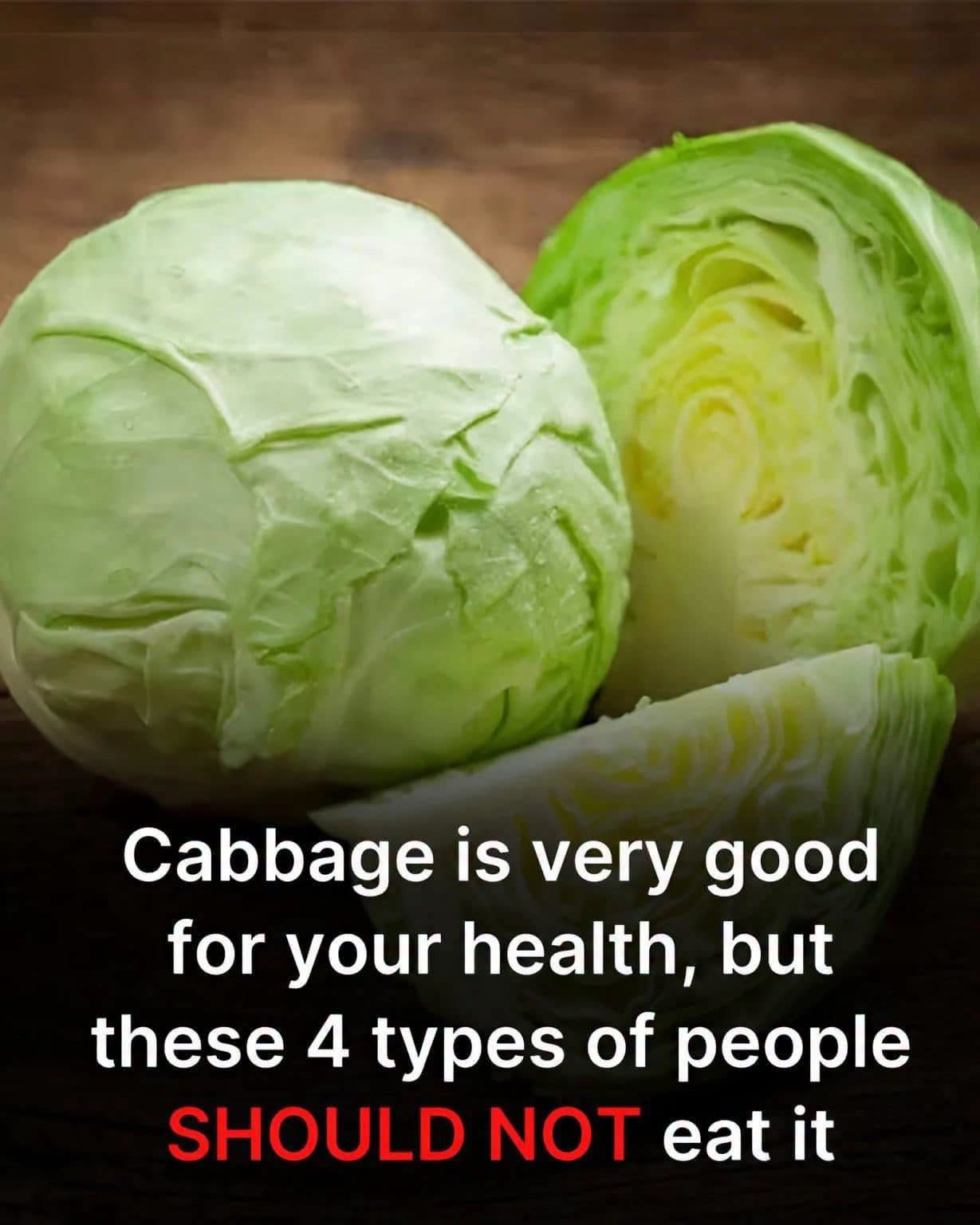
Cabbage appears on dinner tables around the world every single day. It is inexpensive, versatile, packed with nutrients, and often praised by nutrition experts as one of the healthiest vegetables available. Whether served raw in salads, steamed, roasted, fermented into sauerkraut or kimchi, or added to soups and stews, cabbage has earned a reputation as a reliable part of a balanced diet. For most people, that reputation is well deserved. But for certain individuals, this seemingly harmless vegetable can contribute to unexpected health problems when eaten in large amounts or under specific medical conditions.
One of the reasons cabbage is so highly regarded is its impressive nutritional profile.
It provides fiber, vitamin C, vitamin K, antioxidants, and numerous plant compounds that support overall health. These nutrients have been associated with heart health, digestive function, immune support, and protection against cellular damage. Yet nutrition is rarely one-size-fits-all. The same food that benefits one person may create challenges for another depending on their medical history, medications, and individual biology.
People living with certain thyroid disorders are often advised to pay attention to how much raw cabbage they consume.
Cabbage belongs to the cruciferous vegetable family, which also includes broccoli, cauliflower, Brussels sprouts, and kale. These vegetables naturally contain compounds known as glucosinolates. During digestion, some of these compounds can form substances that may interfere with the body’s ability to use iodine efficiently when consumed in very large quantities, particularly in raw form. Since iodine plays an important role in thyroid hormone production, individuals with existing thyroid disease—especially iodine deficiency—may benefit from discussing their intake with a healthcare professional.
Fortunately, cooking changes much of this picture.
Heating cabbage significantly reduces many of the compounds responsible for these potential effects. For most people with well-managed thyroid conditions who consume adequate iodine, enjoying moderate portions of cooked cabbage is generally not considered a problem. Completely avoiding cabbage is rarely necessary unless specifically recommended by a physician.
Digestive sensitivity represents another important consideration.
Although cabbage is rich in beneficial fiber, that same fiber can cause discomfort in people with sensitive digestive systems. Some individuals experience bloating, excessive gas, abdominal cramping, or diarrhea after eating cabbage, especially when large portions are consumed. This occurs because cabbage contains complex carbohydrates that are fermented by bacteria in the large intestine, producing gas as a natural byproduct.
People living with conditions such as irritable bowel syndrome (IBS) may notice these symptoms more intensely.
For them, even relatively small servings of raw cabbage can trigger digestive discomfort. Choosing cooked cabbage instead of raw preparations, reducing portion sizes, or working with a healthcare provider or dietitian may help identify personal tolerance levels while still allowing occasional enjoyment of the vegetable.
Fermented cabbage products introduce another layer of complexity.
Foods such as sauerkraut and kimchi offer valuable probiotics that may benefit gut health for many individuals. However, because fermentation increases histamine levels, people with histamine intolerance may develop symptoms including headaches, flushing, itching, nasal congestion, digestive discomfort, or skin irritation after consuming these foods. These reactions vary greatly from person to person and are not experienced by the majority of consumers.
Some individuals also experience allergic reactions to cabbage, although true cabbage allergy remains relatively uncommon.
Symptoms may include itching of the mouth, swelling, skin rashes, or digestive upset shortly after eating the vegetable. In rare cases, more serious allergic reactions can occur and require immediate medical attention. Anyone who suspects a food allergy should seek proper medical evaluation rather than attempting self-diagnosis.
Kidney health is another area where individualized advice becomes important.
Cabbage contains relatively modest amounts of oxalates compared with certain other vegetables such as spinach or beet greens. Nevertheless, people with specific types of kidney stones or advanced kidney disease may receive individualized dietary recommendations based on their particular medical condition. Decisions about restricting foods should always be made with guidance from a healthcare provider, as unnecessary dietary limitations can sometimes do more harm than good.
Medication interactions deserve attention as well.
Because cabbage is rich in vitamin K, individuals taking blood-thinning medications such as warfarin should aim for consistency rather than complete avoidance. Sudden, dramatic increases or decreases in vitamin K intake can affect how these medications work. Healthcare providers generally encourage maintaining a stable diet while adjusting medication if necessary, rather than eliminating healthy vegetables altogether.
The important message is not that cabbage is dangerous.
For the overwhelming majority of healthy individuals, cabbage remains a nutritious, affordable, and beneficial food that supports overall wellness. Problems usually arise only under particular medical circumstances, when consumed in unusually large amounts, or when individual sensitivities are present.
Listening to your own body’s response is often just as important as reading nutrition headlines.
If certain foods consistently leave you feeling unwell, discussing those symptoms with your doctor can help identify the underlying cause. Digestive discomfort, allergic reactions, or persistent symptoms should never be ignored simply because a food is widely considered healthy.
Simple preparation methods may also improve tolerance.
Cooking cabbage thoroughly softens its fiber, reduces some naturally occurring compounds, and often makes it easier to digest. Smaller portions, gradual introduction into the diet, and pairing cabbage with other foods may further reduce digestive discomfort for people with sensitive stomachs.
Nutrition works best when it is personalized.
No single food is universally perfect or universally harmful. Individual health conditions, genetics, medications, allergies, and lifestyle all influence how the body responds to different foods. What nourishes one person may require moderation for another, and that difference does not make either diet inherently right or wrong.
Ultimately, cabbage remains one of nature’s most nutritious vegetables for most people. Understanding your own health needs, paying attention to persistent symptoms, and seeking professional medical advice when necessary allows you to enjoy its benefits safely. Rather than fearing a single food, the goal is to build a balanced eating pattern that supports your unique body, because the healthiest diet is always the one that fits the individual—not just the headline.