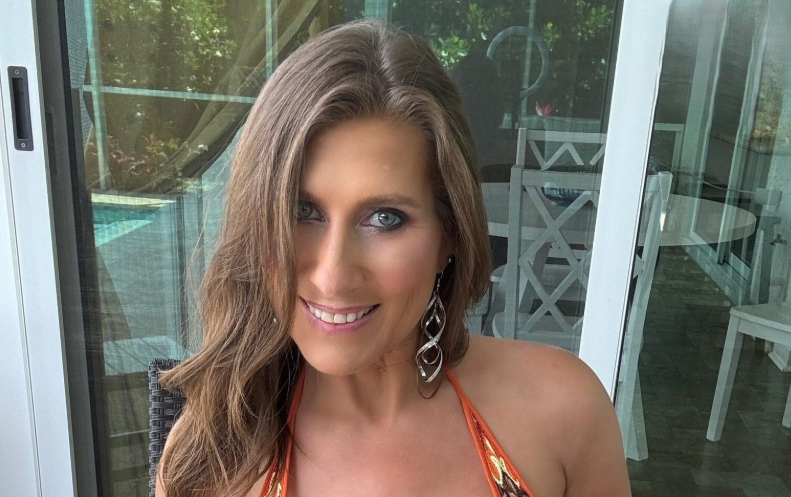
Appearance style goes far beyond clothing selections or makeup habits. It functions as a silent visual language—one that communicates identity, confidence, values, and life experience long before a single word is spoken. In today’s world of digital presence, personal branding, luxury culture, and social media visibility, a woman’s style becomes a powerful signal, blending psychology, culture, and self-expression into a lasting first impression.
Style speaks without sound. It reflects personality, emotional awareness, lifestyle, education, ambition, and social perception. Even age—so often treated as something to hide—is subtly expressed through styling choices, not as a number, but as a sign of self-acceptance and personal evolution. Genuine style is never random; it is intentional, refined, and deeply personal.
The famous idea that “fashion fades, but style remains,” often attributed to Coco Chanel, continues to shape conversations about timeless elegance and luxury. Fashion reacts to seasons, algorithms, trend cycles, and fast-paced consumption. Style, however, endures. It evolves without losing its core identity. A woman with a strong sense of style can engage with trends selectively, maintaining consistency and authenticity—qualities that are increasingly valuable in an oversaturated visual world.
Fashion experts and psychologists often describe several foundational style categories, each representing a different approach to self-presentation. These categories are not rigid labels, but guiding frameworks. Most women naturally blend multiple styles, forming a personal aesthetic shaped by inner character and external responsibilities.
Classic style centers on balance, refinement, and longevity. Tailored silhouettes, neutral palettes, clean lines, and quality fabrics define it. Often associated with women who value professionalism, stability, and quiet authority, this style conveys confidence without excess. It is especially effective in leadership roles, corporate environments, and high-level social settings where discretion communicates power.
Closely related is business style, which emphasizes structure, precision, and function. While it shares elements with classic fashion, it is more purpose-driven, focused on efficiency and credibility. Structured suits, crisp shirts, practical handbags, and minimal accessories define this approach. In fields such as finance, law, consulting, and real estate, business style reinforces trust and professional competence.
Chanel-inspired style occupies a distinct space, combining elegance with comfort. Rooted in Coco Chanel’s philosophy, it prioritizes ease without sacrificing sophistication. Tweed jackets, soft textures, pearls, monochromatic tones, and understated footwear create an impression of effortless refinement. This style often appeals to women who value heritage luxury, subtle wealth, and intelligent femininity.
Romantic style highlights softness and emotional expression. Flowing fabrics, delicate details, pastel colors, floral elements, and gentle silhouettes define this aesthetic. Women drawn to romantic style often value creativity, connection, and sensitivity. It resonates strongly in beauty, lifestyle, and storytelling spaces, where warmth and vulnerability encourage engagement.
Sporty style reflects movement, energy, and modern practicality. It prioritizes comfort and flexibility while maintaining a cohesive look. Sneakers, athleisure, performance materials, and functional outerwear dominate this category. In the age of wellness culture and active lifestyles, sporty style has become a symbol of vitality, self-care, and productivity.
Avant-garde style challenges norms and embraces experimentation. Unconventional shapes, bold colors, asymmetry, and artistic construction define this approach. Common in creative industries such as design, art, and media, it communicates independence, innovation, and intellectual confidence.
Folklore style draws inspiration from tradition, heritage, and craftsmanship. Natural materials, embroidery, earthy tones, and handmade details characterize this aesthetic. It reflects respect for history, sustainability, and authenticity—values that are increasingly central to ethical fashion and conscious consumption.
Fantasy style moves beyond realism into imagination and theatrical expression. Dramatic silhouettes, symbolic accessories, and conceptual elements define this look. While not always practical for everyday life, fantasy style plays an important role in performance, digital storytelling, and creative self-reinvention.
Diffuse style represents adaptability. It blends elements from multiple categories, allowing flexibility across different environments and roles. This approach suits women balancing professional, creative, and personal identities in a fast-moving, dynamic world.
Glamour style focuses on visibility and impact. Statement pieces, bold makeup, luxurious textures, and striking silhouettes define this aesthetic. Often associated with entertainment, nightlife, influencer culture, and high-profile events, glamour—when applied intentionally—signals confidence, ambition, and presence rather than excess.
What unites all these styles is self-awareness. Style becomes powerful when it reflects inner alignment rather than external pressure. In an era of personal branding, visual identity, and digital reputation, authenticity consistently outperforms imitation. Women who understand their style communicate clarity—about who they are, what they value, and how they choose to show up in the world.
Ultimately, appearance style is not about meeting expectations. It is about harmony between inner identity and outward expression. It evolves through life stages, experiences, and priorities, yet remains grounded in intention and self-respect. Trends may dominate feeds and fashion weeks, but true style endures—telling a story without explanation, creating impact without noise, and proving that while fashion changes, identity remains.