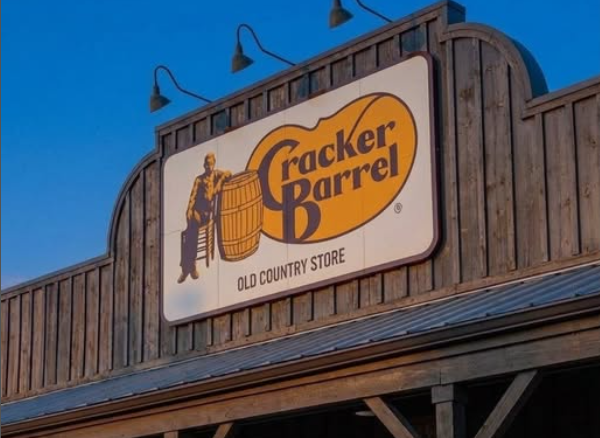
The porch lights are still on, casting that familiar warm glow that travelers have come to associate with respite and familiarity. But even in the gentle illumination, there’s a subtle shift—an imperceptible change in the air that signals something new, something slightly off. For millions of people crisscrossing the country’s highways, Cracker Barrel has never been just a restaurant. It has always been a ritual, a haven of predictability amid the chaos of travel, a place where the clatter of dishes and the creak of rocking chairs promise a brief pause from the relentless forward motion of the road. For decades, its checkered floors, weathered wood, and walls lined with old-fashioned memorabilia created a unique rhythm of comfort—a rhythm that felt as inevitable as the road itself. But now, subtle alterations to logos, interior design, and even employee travel habits are stirring a quiet unease among those who cherish the familiar. Some view these changes as thoughtful progress, a sign that Cracker Barrel is adapting to the modern era. Others, however, feel a creeping sense of loss, as if the brand’s essence—the comforting, almost sacred traditions—might be slipping through their fingers.
What’s unfolding within Cracker Barrel’s corporate walls is less a matter of rebranding than a delicate, ongoing negotiation with its own history and the expectations of a devoted customer base. The company’s recent effort to modernize the logo and refresh its interiors offers a vivid glimpse into this struggle. Even the smallest adjustment—a sharper font, a slightly brighter color, a cleaner layout—elicited passionate responses from patrons. Guests who had long associated the brand with a slower, more deliberate sense of time reacted strongly, defending the familiar textures and objects that defined their experience: the rustic wooden beams, the gently rocking chairs on the porch, the slightly worn tables where countless breakfasts had been shared. It became clear that, for Cracker Barrel’s loyal visitors, these were not mere aesthetic choices—they were markers of identity, anchors in a world that often feels too hurried and impersonal. When backlash surfaced, leadership made a decision that many corporations struggle to execute: they listened. Rather than pushing forward blindly or issuing defensive statements, the company rolled back certain changes, restoring key elements of the visual and spatial experience while maintaining subtle refinements that wouldn’t disrupt the brand’s soul. It was a rare acknowledgment in the corporate world that nostalgia, often dismissed as sentimentality or marketing ploy, is in fact a core product, a defining feature that commands respect.
The same careful recalibration became evident in the controversy over employee travel expectations. When the company clarified that staff were no longer required to eat at Cracker Barrel during business trips, and simultaneously tightened reimbursement guidelines, the response among employees was mixed. Some viewed it as an overdue adjustment, a practical step toward transparency and fairness. Others initially bristled at the perceived departure from tradition, worrying that the invisible threads connecting personal experience, company culture, and brand mythology were being unraveled. In reality, the move reflected a broader philosophy: a recognition that policies must evolve alongside the business, and that honoring employees’ autonomy is as vital as preserving the front-porch experience for travelers. It was an implicit statement that the company could maintain its signature warmth without succumbing to ritual for ritual’s sake, that practicality and authenticity could coexist.
Ultimately, Cracker Barrel’s ongoing dance with change underscores a fundamental truth about legacy brands: survival does not come from clinging stubbornly to the past, nor from pursuing modernity at the expense of identity. Instead, it requires humility—a willingness to honor the stories, textures, and traditions that made the brand beloved while subtly evolving to meet contemporary expectations. The glowing porches, the familiar smells of syrup and coffee, the creaking rocking chairs—they are more than mere props. They are symbols of a shared cultural memory, a reassurance that no matter where the road takes you, there exists a place that feels like home. And as Cracker Barrel navigates the delicate balance between continuity and innovation, it proves something vital: home, in all its comforting complexity, can evolve and adapt, yet still retain the essence of what makes it a sanctuary. For a brand that has long offered travelers both nourishment and nostalgia, that may be the most crucial lesson of all.