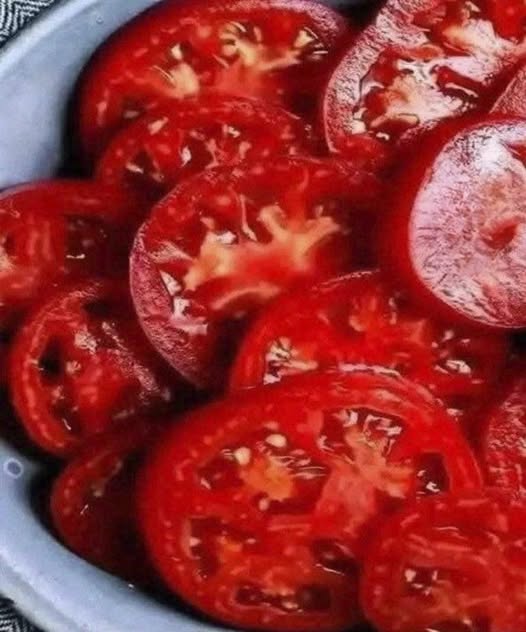
Tomatoes are more than just a kitchen staple—they can quietly influence your health in ways many people don’t realize, for better or worse. Most of us assume that tossing them into a salad, simmering them into a sauce, or storing them in the fridge is harmless, even healthy. Yet the way tomatoes are handled, prepared, and combined with other foods can significantly affect their nutritional power. Some seemingly “healthy” habits may actually stress your digestive system, reduce the protective benefits for your heart, and diminish key nutrients that your body craves. Before you reach for the next tomato in a salad, sandwich, soup, or pasta dish, it’s worth understanding the subtle science of how these fruits—or technically berries—interact with your body and how to maximize their benefits while minimizing risks.
When used thoughtfully, tomatoes become a surprisingly potent ally for heart health, cellular protection, and overall wellness. Lycopene, the powerful antioxidant responsible for the red hue, is one of the compounds most influenced by preparation. Gently cooking tomatoes with a small amount of healthy fat, such as olive oil or avocado oil, increases lycopene availability, allowing your body to absorb more of its free-radical-fighting potential. This simple step can transform a tomato-based pasta sauce, soup, or roasted vegetable dish into a concentrated source of cardiovascular and cellular support. Meanwhile, raw tomatoes still offer essential nutrients, particularly vitamin C, potassium, and hydration benefits, but eating them strategically—paired with other foods—helps prevent digestive discomfort, especially for those sensitive to acidity. Consuming them on an empty stomach may trigger mild heartburn or irritation for some people, but integrating them into a balanced meal enhances both absorption and tolerance.
The subtleties continue when it comes to ripeness and storage. Green, unripe tomatoes are not inherently dangerous, but they contain higher levels of tomatine, a natural compound that can irritate the stomach lining if consumed in excess. Overheating or repeatedly reheating tomato-based dishes can break down vitamins and alter the delicate balance of acidity, reducing nutritional impact. Seeds, often discarded for texture reasons, can be removed for easier digestion, particularly for those prone to bloating or acid reflux. Storage is also critical: ripe tomatoes maintain flavor, aroma, and texture best at room temperature, ideally out of direct sunlight, while refrigeration should be reserved for already cut fruits to prevent spoilage and nutrient loss.
Certain medical conditions require extra attention. Individuals with acid reflux, gastritis, ulcers, or kidney disease should approach tomato consumption carefully, balancing portion sizes and preparation methods while consulting healthcare professionals when necessary. In these cases, tomatoes are not simply a garnish; they can influence digestion, blood pressure, and electrolyte balance. By adopting mindful habits—choosing ripe, quality fruits, cooking them gently with healthy fats, and pairing them with complementary foods—tomatoes transform from ordinary ingredients into a consistent, subtle support system for long-term health, protecting the heart, supporting cells, and quietly contributing to overall well-being every day.
Ultimately, tomatoes are a lesson in how small choices in the kitchen can ripple through your health. With awareness, preparation, and a few thoughtful tweaks, this simple fruit can go from a basic salad topper to a true nutritional powerhouse—delivering benefits in a quiet, almost invisible way that accumulates over time, supporting vitality and wellness in ways that many people overlook.