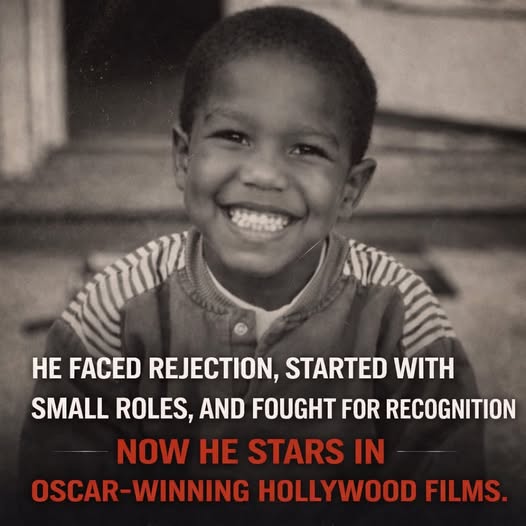
He wasn’t supposed to make it. Not from a modest childhood in Newark, not after years of rejection, not after being dismissed as “just another TV kid.” Every step of the way, the odds were stacked against him, yet he refused to accept that fate. He took the smallest roles, swallowed the harshest no’s, and still showed up day after day, audition after audition, believing that persistence mattered more than immediate recognition. One audition, one heartbreak, one more chance—he kept moving forward, building a career out of resilience, patience, and a relentless drive to prove that talent could not be ignored forever. Then came a role so explosive, so perfectly timed, that everything changed, shifting him from a struggling actor in the margins to a force that demanded attention.
He grew up far from red carpets and glittering premieres, shaped instead by a working-class family that instilled belief, discipline, and integrity rather than shortcuts or entitlement. Commercials and small television parts were not destinations—they were training grounds, arenas in which he learned the craft, honed his timing, and discovered the subtle power of presence. Casting directors overlooked him, projects fizzled, and rejection became routine; nothing about his rise was guaranteed. Yet through it all, he approached every minor role as if the world were already watching, perfecting each gesture, each line, each nuance in preparation for the moment when opportunity would finally arrive. Every setback became fuel, every dismissal a challenge to prove that his place was earned, not given.
Then the work caught fire. A gripping television drama revealed the depth and intensity he had carried for years, finally giving audiences and critics alike a glimpse of his true potential. A devastating, unforgettable performance in a critically acclaimed film turned whispers into shouts, and the industry could no longer overlook him. Creed transformed him into a global leading man; Black Panther made his name resonate around the world, cementing his status as a cultural icon. But he didn’t just act—he produced, he directed, and he used his growing influence to build space for others, championing diversity, inclusion, and mentorship in an industry long criticized for its lack of opportunity. Michael B. Jordan’s story is not about luck, timing, or overnight fame. It’s about grit, determination, and a refusal to vanish into the background—a man who carried his talent with patience and tenacity until Hollywood had no choice but to see him, respect him, and finally give him the platform his skill demanded.